


The rising cost of living has been hitting California households from several directions, but few expenses are as visible as the price of filling up the car. Gas prices have climbed sharply in recent weeks, with California’s average for regular gasoline reaching $6.38 per gallon on September 29, according to AAA.
The state already tends to have higher gas prices than much of the country, partly because of its unique fuel market, refining costs and transportation expenses. But now, a new temporary measure could bring some relief to drivers by allowing a cheaper type of gasoline to reach stations earlier than usual.
California is allowing winter-blend gasoline earlier
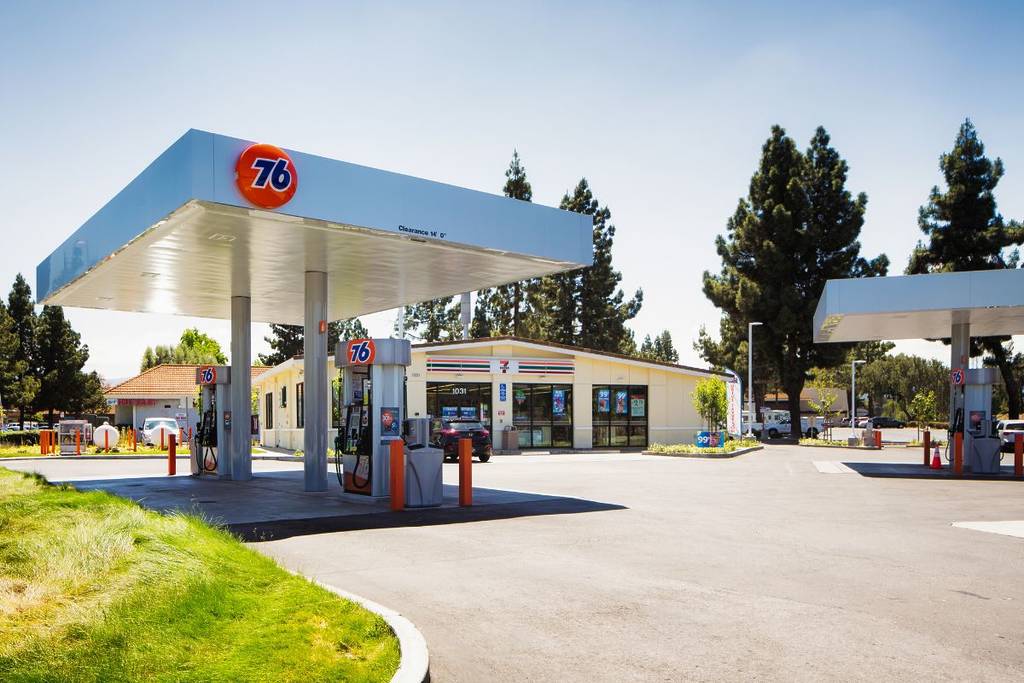
California normally uses its summer gasoline blend through October 31, switching to winter-blend gasoline in November, as temperatures cool. The summer formulation is designed to evaporate less in hot weather, helping reduce the formation of ozone and smog, but it is also more expensive to produce than the winter formulation.
Under the new measure announced September 28, California suspended its seasonal summer-blend requirement for the remainder of the season and directed state agencies to allow winter-blend gasoline to be manufactured, imported, distributed and sold immediately.
That means California is effectively moving up the seasonal switch by several weeks, allowing the cheaper fuel to enter the market before its usual November 1 start date.
Here’s what that means for drivers:
- 💵 Potential savings: The change could lower gasoline prices by up to about 30 cents per gallon, although that is an estimate, not a guaranteed reduction.
- 🗓️ Earlier availability: Winter-blend gasoline can now enter the market weeks before its usual seasonal availability.
Still, drivers should not expect an immediate drop in prices at every station. Refineries still need to produce the fuel, and distributors need to move it through California’s supply network. Prices are also affected by other factors such as crude oil prices, refinery disruptions, transportation costs, and local market conditions.
So while the cheaper blend could eventually take some pressure off California drivers, how quickly and by how much prices fall is still uncertain.
