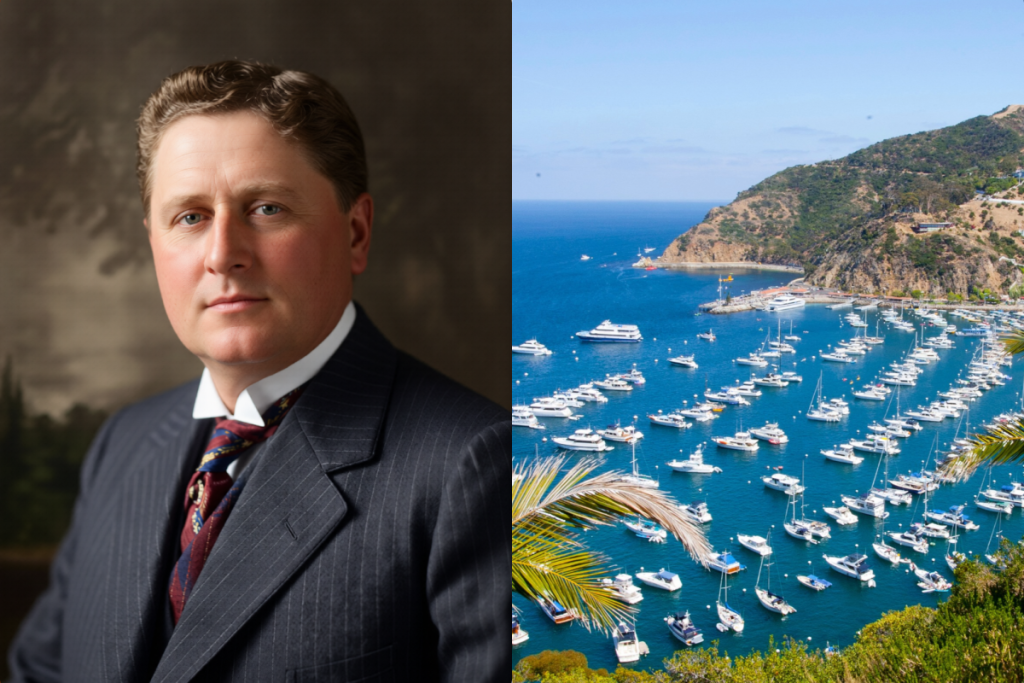

Just off the SoCal coast, about 26 miles from L.A., sits an island with a rather unusual ownership history. Today, approximately 88% of Catalina Island is protected wilderness, but more than a century ago, one wealthy businessman had a very different vision for the land.
That businessman was William Wrigley Jr., the chewing-gum magnate behind the Wrigley Company and owner of the Chicago Cubs. In 1919, he reportedly paid approximately $3 million to acquire the controlling interest in the Santa Catalina Island Company, which owned most of the island’s land.
The transaction followed years of ownership changes and financial difficulties for the previous owners, the Banning brothers.
From a remote island to California’s Mediterranean-style getaway

Catalina’s history as a tourist destination began before Wrigley’s arrival. The island was originally home to the Tongva people, who called it Pimu and lived there for thousands of years. European explorers arrived in the 16th century, and the island subsequently passed through several private owners.
In 1887, businessman George Shatto began developing Avalon, envisioning a seaside resort that would attract visitors from the mainland. The Banning brothers later expanded the town’s infrastructure, hotels, and recreational attractions. However, a devastating fire in 1915 destroyed much of Avalon, contributing to the financial difficulties that eventually led them to sell.

Wrigley took the development further, investing millions in infrastructure, hotels, and attractions. In 1921, he brought the Chicago Cubs to Avalon for spring training, a tradition that continued until 1951, with interruptions during World War II.
One of his most recognizable contributions was the Catalina Casino, completed in 1929. Despite its name, the landmark was never a gambling venue. It was designed as a grand ballroom and movie theater, becoming one of the island’s defining architectural landmarks.
The Wrigley family and Catalina Island protected land
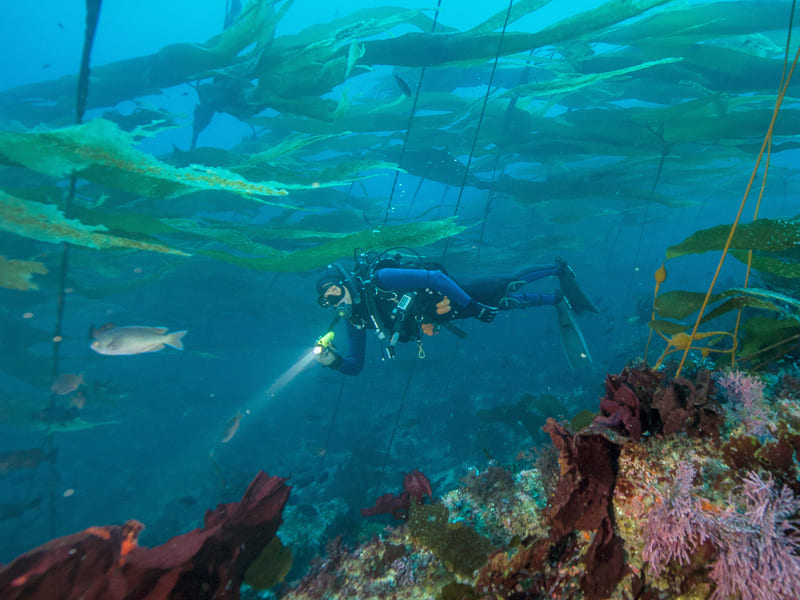
Wrigley died in 1932, but his family continued overseeing the island through the Santa Catalina Island Company. Over the following decades, conservation became an increasingly important part of its stewardship, including efforts to protect watersheds and restore overgrazed land.
In 1972, members of the Wrigley and Offield families established the Catalina Island Conservancy, a nonprofit organization dedicated to preserving the island’s natural environment.
On February 15, 1975, the family transferred 42,135 acres to the Conservancy, securing permanent protection for approximately 88% of Catalina’s nearly 48,000 acres. The donation included much of the island’s interior and coastline, ensuring that these landscapes would remain protected for future generations.
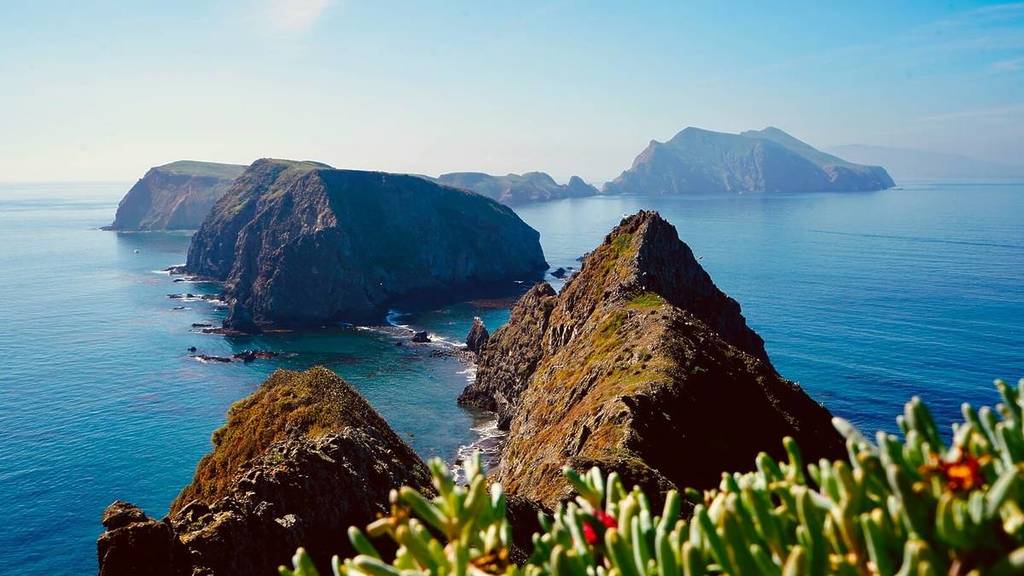
Today, the Conservancy manages those wildlands, balancing conservation, education, and recreation. Its protected territory includes hiking trails, native wildlife habitats, and miles of undeveloped coastline for exploration.
The Wrigley family still has a connection to Catalina through the Catalina Island Company, which continues to operate the island’s resort and tourism businesses.