


California’s robotaxi rules just hit the brakes. The DMV has ordered Waymo to stop operating and testing its driverless vehicles on freeways across the state, including Los Angeles, following a series of safety incidents, according to ABC7.
Issued on November 11, the order cites an “imminent hazard to public safety”, CBS reports, after multiple Waymo vehicles entered active construction zones and encountered California Highway Patrol (CHP) operations in the Bay Area. The restrictions apply to all California freeways and will remain in place until the company can demonstrate that its vehicles can safely navigate these conditions.
Why did California ban Waymo from freeways?
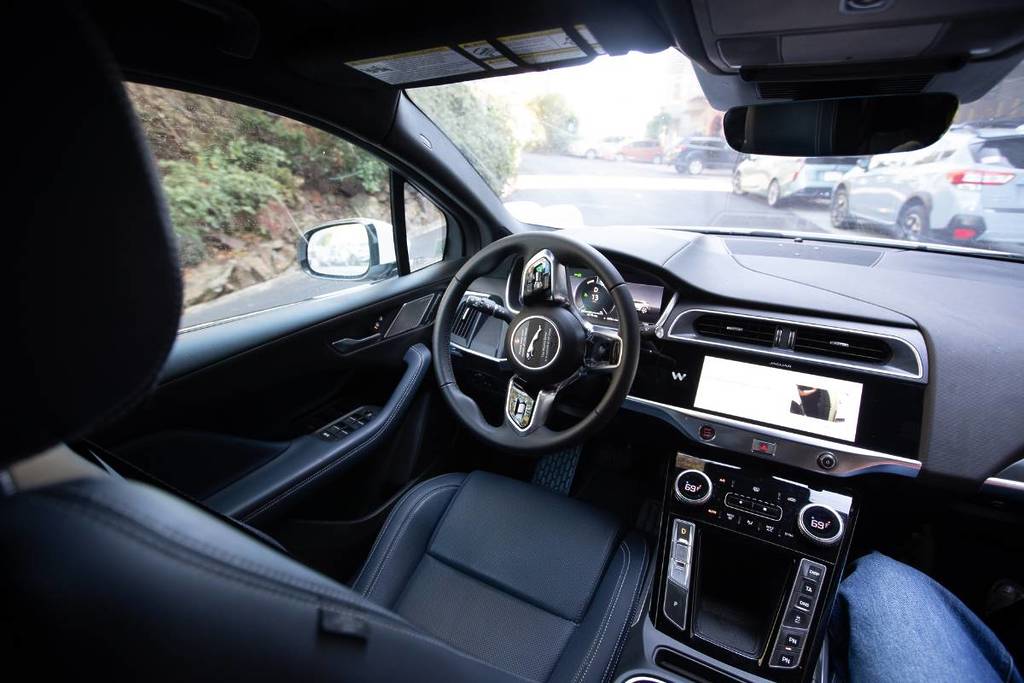
The DMV’s decision follows two particularly concerning incidents. In one, three Waymo vehicles entered an active construction closure on U.S. Highway 101 near Burlingame. In another, a robotaxi attempted to pass CHP patrol cars conducting a rolling traffic break on Interstate 280 in San Francisco.
According to the agency, these incidents happened despite previous software updates and restrictions introduced to address similar problems earlier this year.
In May, Waymo voluntarily suspended freeway service in several markets, including Los Angeles, while working on issues involving construction zones. A subsequent federal recall revealed that seven vehicles had entered active construction lanes in the Bay Area.
Waymo later introduced software improvements and began restoring freeway service in July. However, the latest incidents prompted California regulators to step in directly.
Can you still ride a Waymo in L.A.?

The restrictions only apply to freeways, meaning Waymo can continue offering its ride-hailing service on local streets throughout L.A. and other California markets. You can still book a robotaxi, but routes requiring freeway travel are currently off the table.
There is no confirmed timeline for when freeway rides might return. The DMV says Waymo must first submit evidence that its vehicles can reliably detect and respond to construction zones, emergency vehicles, and changing roadway conditions. Regulators will then review the company’s corrective measures before deciding whether to lift the restrictions.
For more, follow us on Facebook, Instagram, TikTok, and now WhatsApp!
