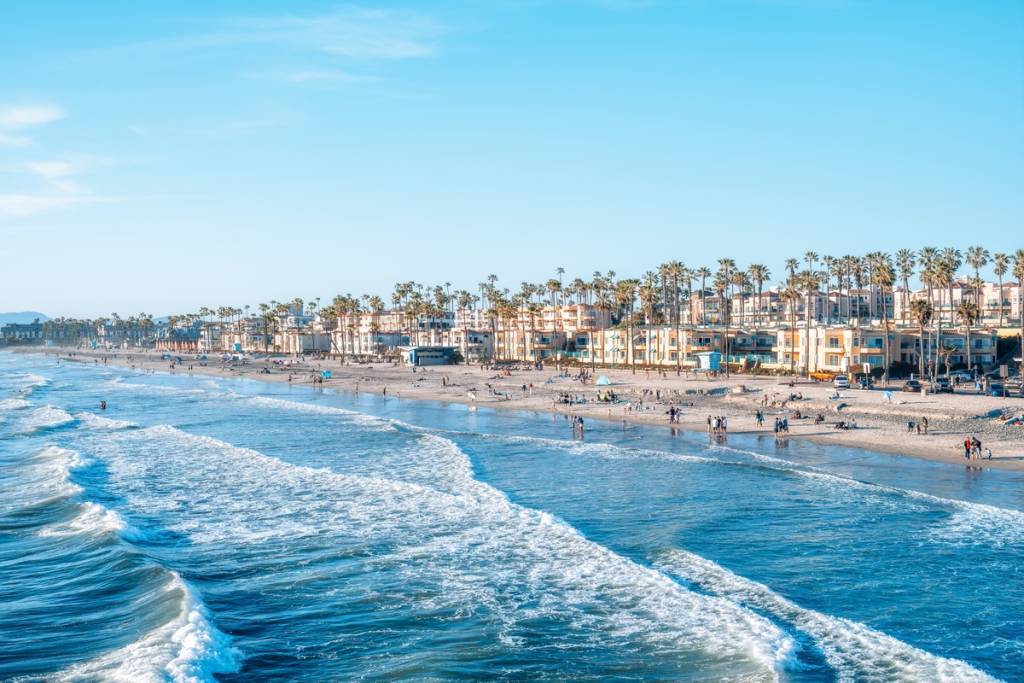

California officially released its fifth Climate Change Assessment.
The thorough report details exactly what rising temperatures could mean for the ocean, the Golden State coastline, and our overall safety.
The state has published these climate assessments since 2006. They review new and existing research to map out the specific risks California faces region by region.
A hotter future and shrinking snowpack
The latest edition projects that average temperatures could climb between 3.5 and 4.3 degrees Fahrenheit by 2050.
Additionally, the state’s vital snowpack could shrink by nearly 40% by mid-century.
According to CBS News, Abby Edwards, Senior Deputy Director of the Governor’s Office of Land Use and Climate Innovation, noted that the goal is to equip Californians with the best available science.
‘It’s really, for me, about being clear-eyed about the future, so we can make decisions today for the future that we want to create,’ Edwards explained.
Disappearing coastlines and SoCal impact
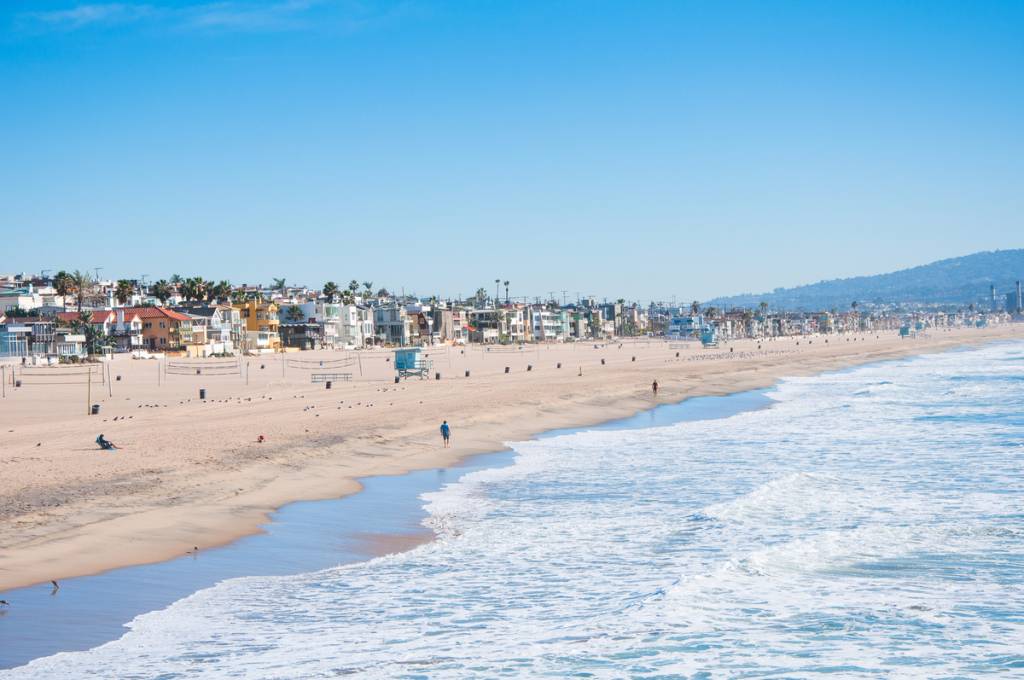
One of the most alarming warnings focuses directly on our coastlines.
The report cautions that without immediate action, 24 to 75% of California’s beaches could disappear either seasonally or permanently. This wide range depends heavily on how high the sea level ultimately rises.
Unfortunately, highly developed parts of Southern California face some of the absolute worst projected losses.
Compounding risks and extreme weather
“What we know, by and large, is the state is going to get hotter,” said Pramod Khargonekar, the lead editor of the report.
Southern California already experiences how these climate risks build on each other.
In recent years, we endured a sweltering summer, a delayed rainy season, and powerful Santa Ana winds. Those exact conditions set the stage for devastating events like the Palisades and Eaton fires.
Khargonekar emphasized that compounding hazards—like experiencing wildfires followed immediately by flooding—severely magnify the impact of individual events.
Wildfire risks and moving forward
Over the last 30 years, humans started about two-thirds of California’s wildfires.
However, the report stresses that climate change rapidly increases the danger by creating drier fuel and longer fire seasons.
Projections show wildfire smoke could cause more than 5,000 extra deaths a year by 2050, which is the largest expected increase of any state.
The worst-case scenario is still avoidable. Officials, tribal leaders, and organizations are actively gathering in Sacramento this week for the first-ever Resilient California Summit.
They will use the assessment’s findings to begin making critical decisions on how to secure the future California wants.