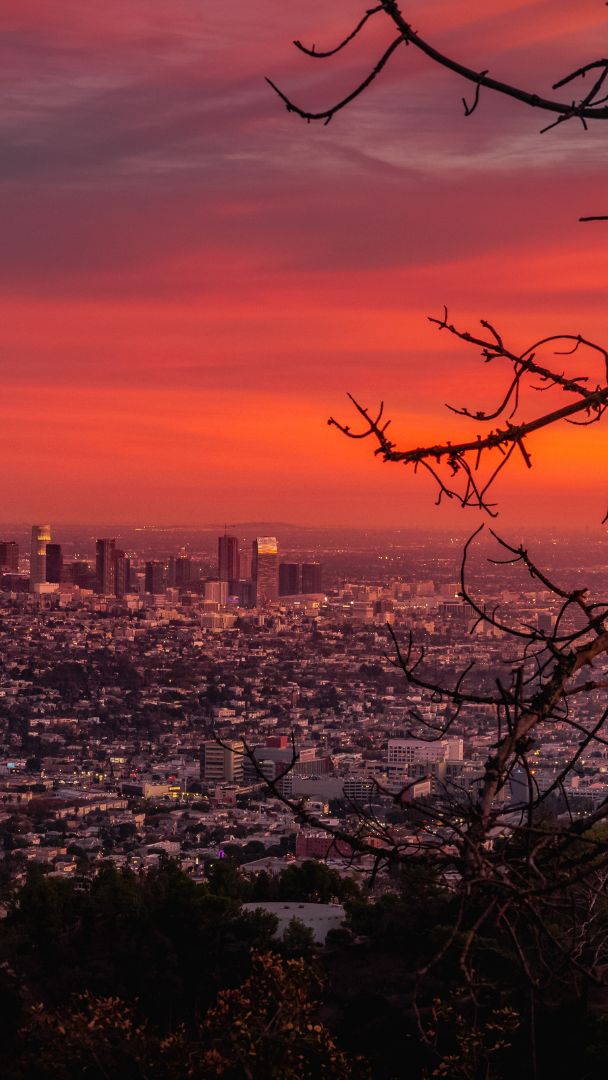
Without the hassle of L.A.s city life, the upscale vibes of its neighbor Palm Springs, or the Old West flair of Pioneertown, this small town has earned a spot on one of the most prestigious travel lists out there. In its latest study, Fodor’s Go List 2026 ranks only six destinations across the entire country that are truly worth visiting, and this one is the only spot in California.
Coachella’s flip side
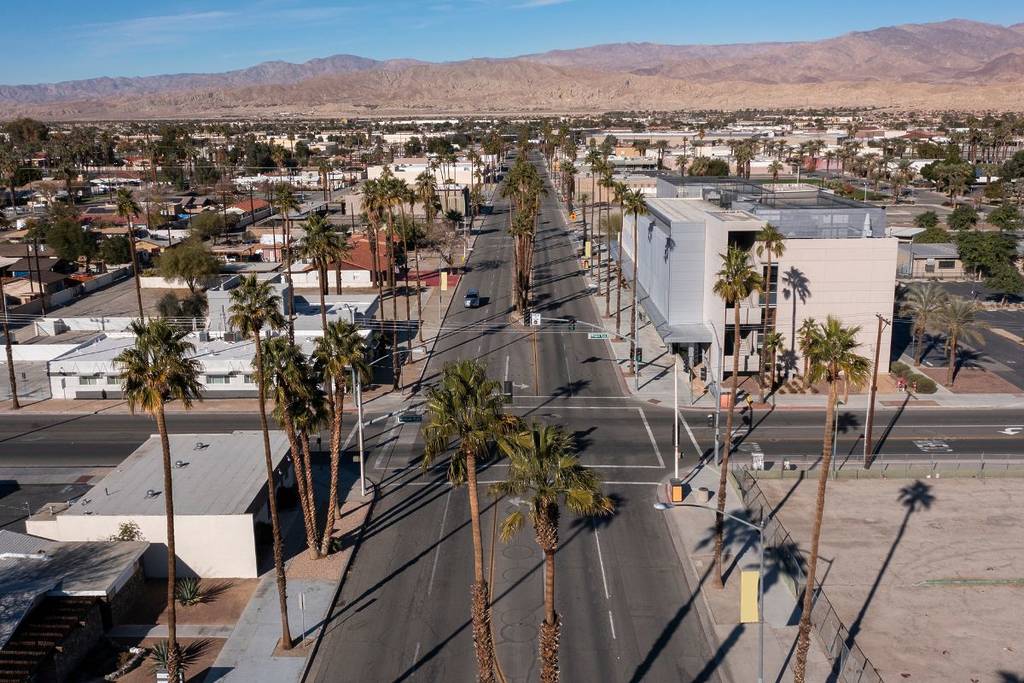
Just 7 minutes from the legendary site of the world’s most famous music event, Indio is a small town of just over 80,000 residents that promises to be everything its lively neighbor, Coachella, is. The publication even describes it as a “sleepy little hamlet, quiet enough that you might expect a tumbleweed to rumble on by.”
But over the past few years, the town has been transforming, and its once-sleepy stretch of Miles Avenue now pulses with purpose. Restaurants run by passionate locals who care as much about their craft as they do about their town have sprung up. Alongside them, bars, boutiques, and cafés (each guided by the same thoughtful, hands-on approach) now give this desert corridor a new sense of life.
What a winter weekend in Indio looks like
Winter is the perfect time to visit the town, as temperatures are milder than during the summer months, while it’s still possible to enjoy the sunshine. All thanks to the over 348 sunny days a year, Indio gets.
If you’re planning to spend a weekend, you can wander downtown toward Happy Alley, a bright, artsy spot on Miles Avenue full of colorful umbrellas overhead and murals on the walls. If you’re into outdoors and maybe a round of golf, check out Shadow Hills Golf Course: a relaxed, desert‑scenic course for all levels, with nice views of mountains and valleys.
For a low‑key cultural hit, swing by Coachella Valley History Museum, a museum campus on historic grounds that includes the old 1909 schoolhouse, the date‑industry museum, and gardens showing how life evolved in the valley.
A short history of Indio
Indio as a town first appeared in 1876 when Southern Pacific Railroad built a stop there called “Indian Wells”, because engines needed water and trains needed a rest in the desert, as Indio’s website explains. What began as a humble railroad station quickly grew: the railroad built a depot and hotel, and slowly, settlers turned the area into farmland by using wells and later water from the All-American Canal.
By the early 1900s Indio was growing dates, grapes, citrus, and other crops, and in 1907, the USDA moved its Date Station there, making the tow the center of farming research in the country. Over time the town added schools, hospitals, and community infrastructure, and in 1930 it was incorporated as a city.