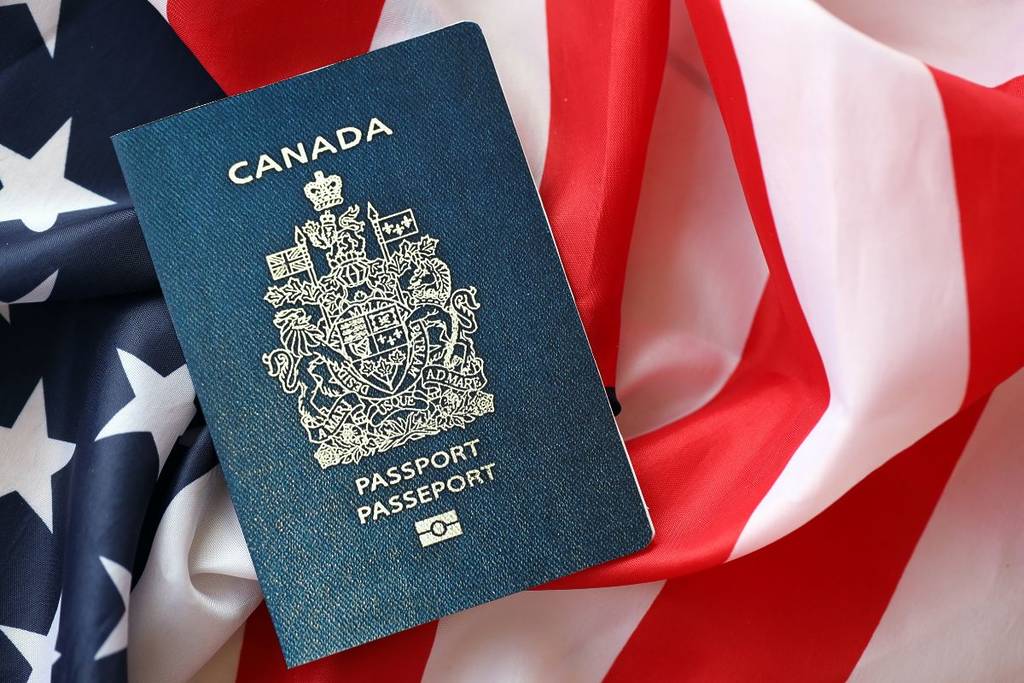

Millions of Americans might already be Canadian without even knowing it. A major update to Canada’s citizenship laws, known as Bill C-3, has officially gone into effect, stripping away decades of restrictions and opening a direct path to a second passport.
A recent update on the legislation amended Canada’s Citizenship Act and removed a long-standing restriction known as the “first-generation limit,” which had prevented many families from passing citizenship to children born abroad.
How the new Canadian citizenship law works

Citizenship and Immigration Canada (CIC) website explains that under the old law, Canadian citizens born outside the country couldn’t pass their citizenship on to children who were also born abroad. Courts eventually ruled the restriction unconstitutional, and the new legislation from last December removes that barrier for many families.
For those born before December 15, 2025, the update could mean automatic eligibility if they can trace their lineage back to a Canadian parent, grandparent, or sometimes even further.
Still, if you were born after that date, there’s one extra requirement: a Canadian parent who was also born outside the country must demonstrate a “substantial connection” to Canada, typically at least three years (1,095 days) living there before their child was born.
How to claim your Canadian citizenship
According to Immigration.ca, anyone claiming Canadian citizenship through a parent, grandparent, or great-grandparent should prepare a complete application under the amended Citizenship Act, including key documents like birth, marriage, and adoption records, plus proof of the ancestor’s Canadian citizenship. Consistency across decades and countries is essential.
Bill C-3 works retroactively, so eligibility depends on historical facts, not checklists. Applications are assessed strictly under the law, with no transitional measures. The bill restores citizenship for some families and introduces new rules, making careful documentation and preparation crucial.