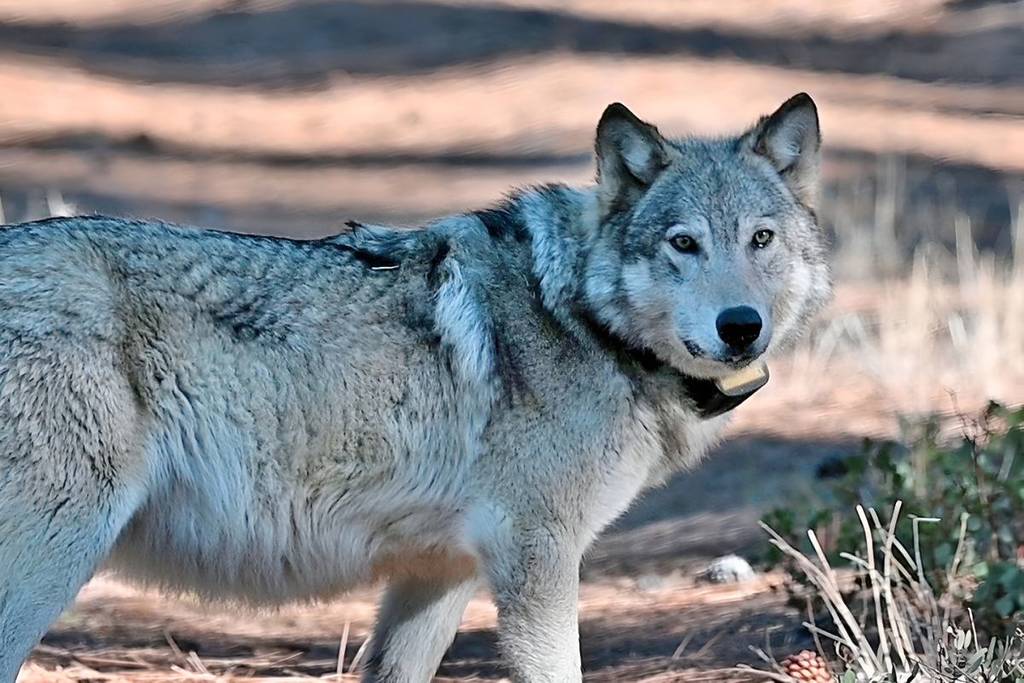

Southern California is home to some of the country’s most striking landscapes and diverse wildlife, from bald eagles soaring above lakes to coyotes roaming the hills and even tarantulas casually crossing hiking trails.
But this sighting marks a truly historic milestone for the region. Gray wolf BEY03F has made history once again, this time after being spotted in the area of Sequoia National Park, marking the species’ return to the region for the first time in more than a century. The roughly three-year-old female wolf was previously seen in Los Angeles County near Lancaster in February of this year.
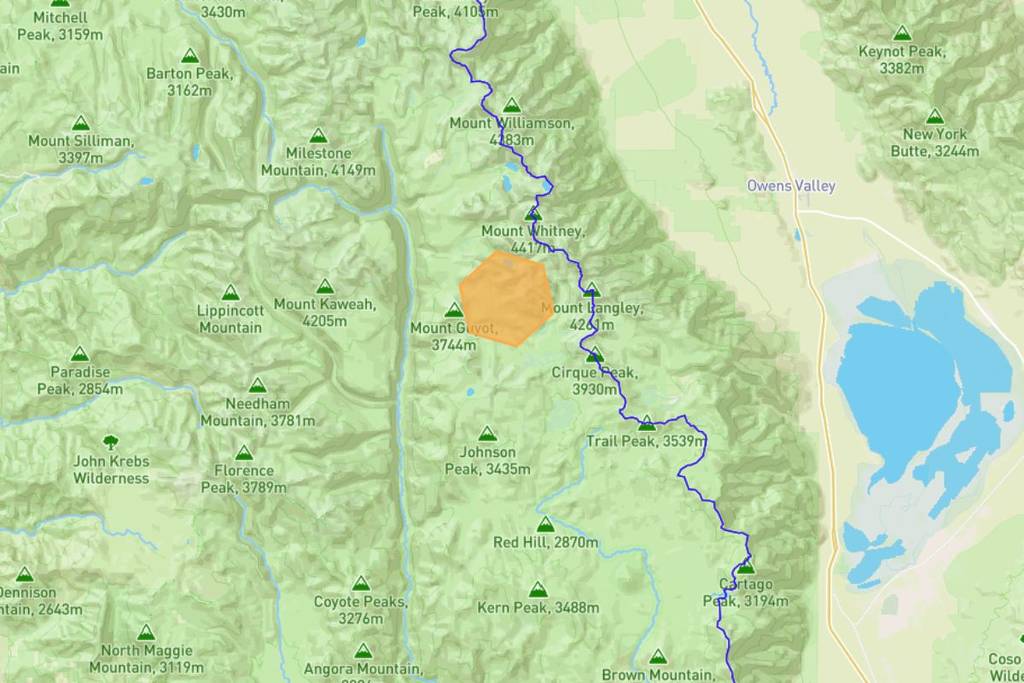
“This remarkable journey to the remote backcountry of SEKI highlights the incredible distances wolves can travel as they reclaim parts of their historic range in California. Each step tells a bigger story about resilience, connectivity, and the future of wolves in our state”, wrote California Wolf Foundation in a Facebook post.
The return of gray wolves to California
Gray wolves once had a wide historical range across the state, from coastal mountains to inland valleys and the Sierra Nevada. They functioned as apex predators, helping regulate prey populations and shape ecosystem balance. Early historical accounts from explorers and naturalists describe them as present but often heavily persecuted across the West.
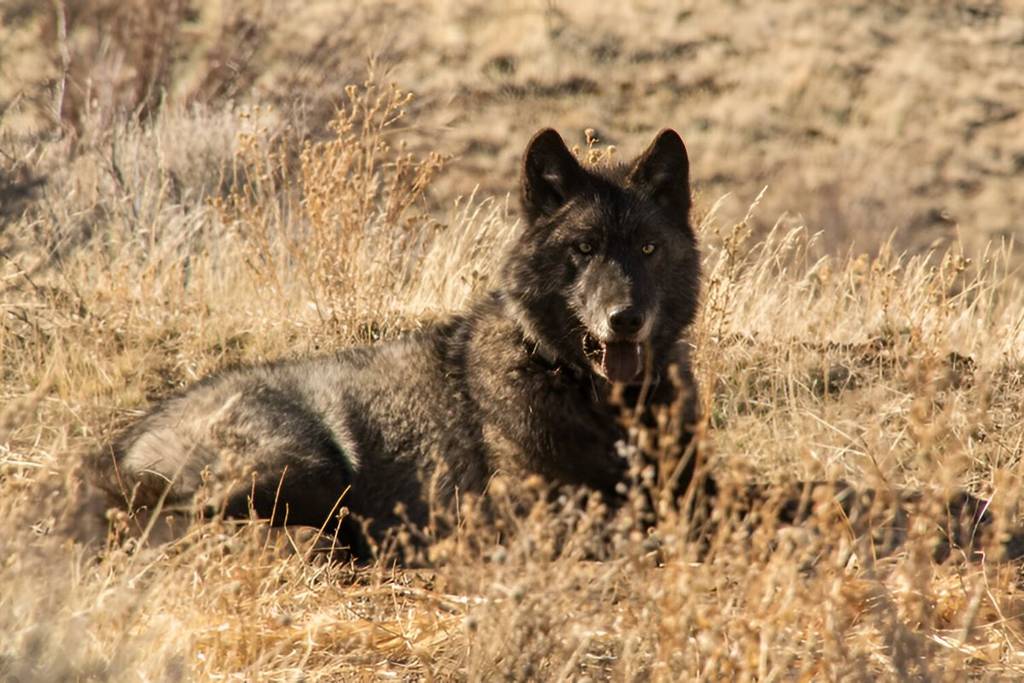
By the 1900s, predator control programs expanded across the United States, driven largely by livestock protection efforts, the U.S. Fish & Wildlife Service reports. In California, this led to systematic eradication campaigns that removed wolves from most regions. By the early 20th century, the species was effectively eliminated from the state.
For much of the 20th century, gray wolves were considered absent from the state, and their ecological role remained missing from local ecosystems. This absence contributed to long-term shifts in predator-prey dynamics across various habitats.