
Los Angeles is built around cars, and every year new measures aim to improve transportation while reducing congestion, pollution, and traffic crashes. One of the latest is the installation of 125 automated speed safety systems across Los Angeles, with the first cameras scheduled to start operating this month.
When will L.A.’s speed cameras start issuing fines?
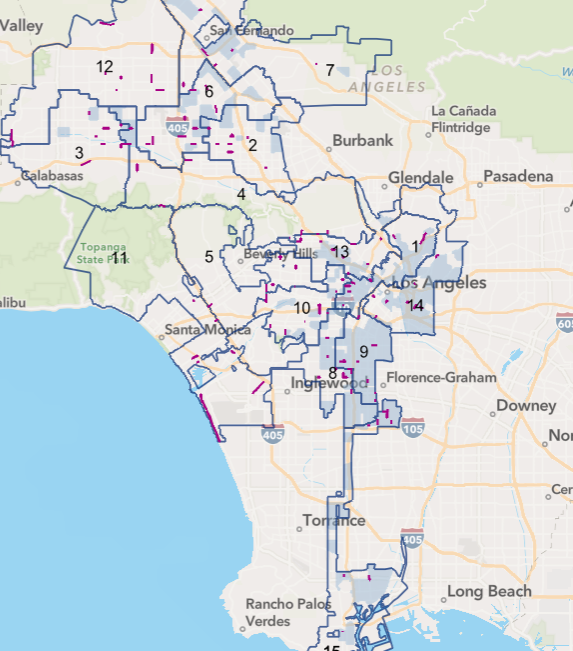
The city scheduled the camera systems’ activation for October 26, with the rollout continuing through the end of the year. The cameras are located on some of the city’s most dangerous streets, and each location will monitor traffic in both directions.
The systems are designed to detect vehicles traveling at least 11 mph above the posted speed limit. They photograph the rear license plate of the vehicle and record the violation. The cameras do not change the existing speed limit, so drivers should continue to follow the speed posted on each individual street.
There is an important grace period before the tickets start arriving, as each camera location will have its own 60-day warning period beginning when that location is activated. During those 60 days, drivers caught speeding 11 mph or more over the limit will receive a warning by mail rather than a fine.
Once the 60-day warning period ends at a particular location, civil penalties will apply:
- 11–15 mph over: $50
- 16–25 mph over: $100
- 26–99 mph over: $200
- 100 mph or more: $500
The penalties are civil fines rather than criminal charges, and they do not add points to a driver’s license.
What to know about L.A.’s speed camera program?
The program is part of a five-year pilot authorized by California Assembly Bill 645, signed into law in 2023. Los Angeles City Council directed LADOT to develop the local program that November.
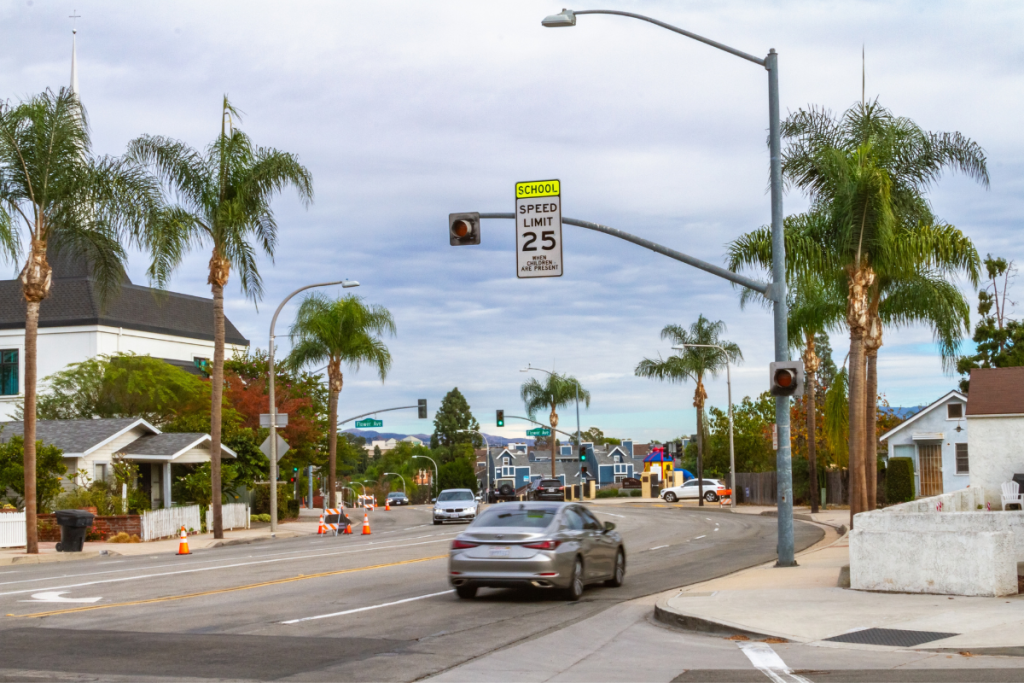
LADOT proposed the 125 camera locations in February 2026, and the City Council approved them in March. The sites were selected after evaluating about 550 miles of priority safety corridors, considering factors such as speeding, crash history, and proximity to schools and senior centers.
The pilot will run through 2032 to evaluate how automated speed enforcement affects speeding and traffic safety.