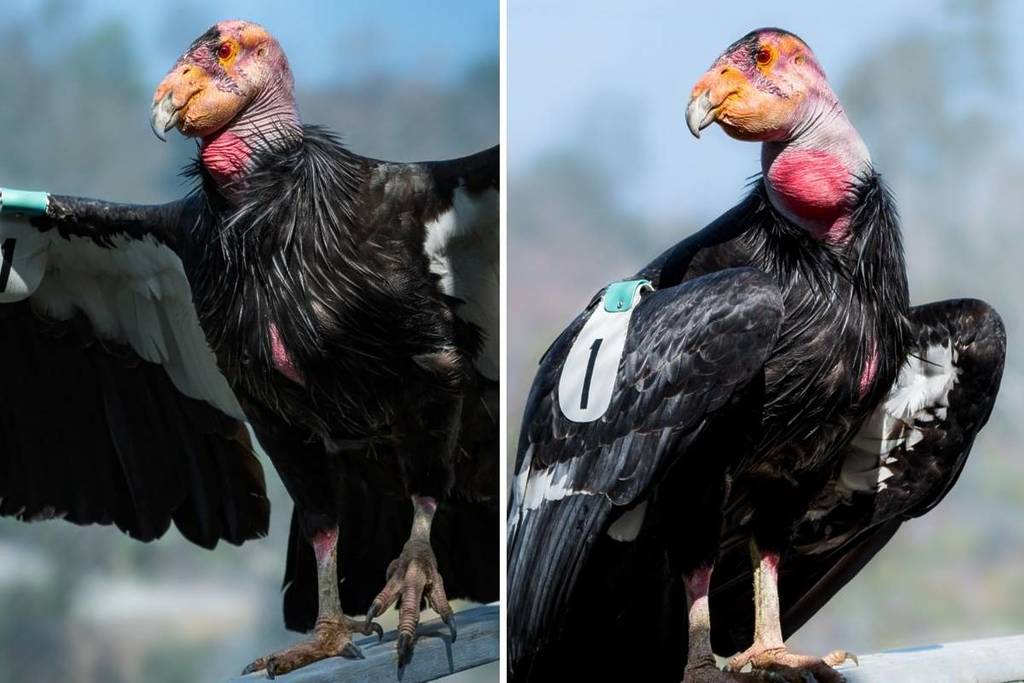

This month, the L.A. Zoo is celebrating a major milestone as the legendary California condor Topa Topa turns 60. He was found in 1967 in Ventura County as a young, weakened bird, shortly after the species was listed as endangered.
After initial rehabilitation at the zoo and a brief return to the wild, he could not survive independently and was placed permanently in human care, becoming the first condor of its kind to live in a zoo setting.
His presence made him an early ambassador for a species on the edge of extinction, and a “founding member” of the California Condor Recovery Program, established in 1979.
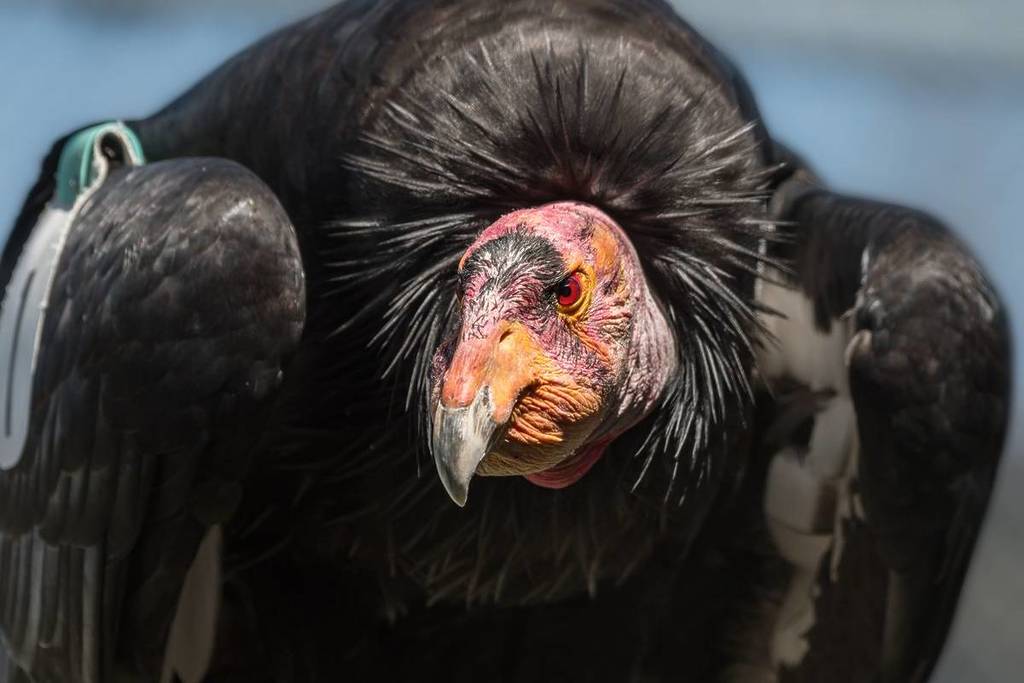
After years of careful management, he successfully reproduced in the early 1990s, producing chicks that would later be candidates for release into the wild. This marked the beginning of his direct genetic contribution to recovery.
Over his lifetime, he has contributed to roughly 300 descendants, with many now part of ongoing breeding efforts and nearly a hundred flying free today.
Although the local population has grown to more than 600 birds, threats such as lead poisoning and diseases continue to challenge survival.
Saving the California Condor: an ongoing effort
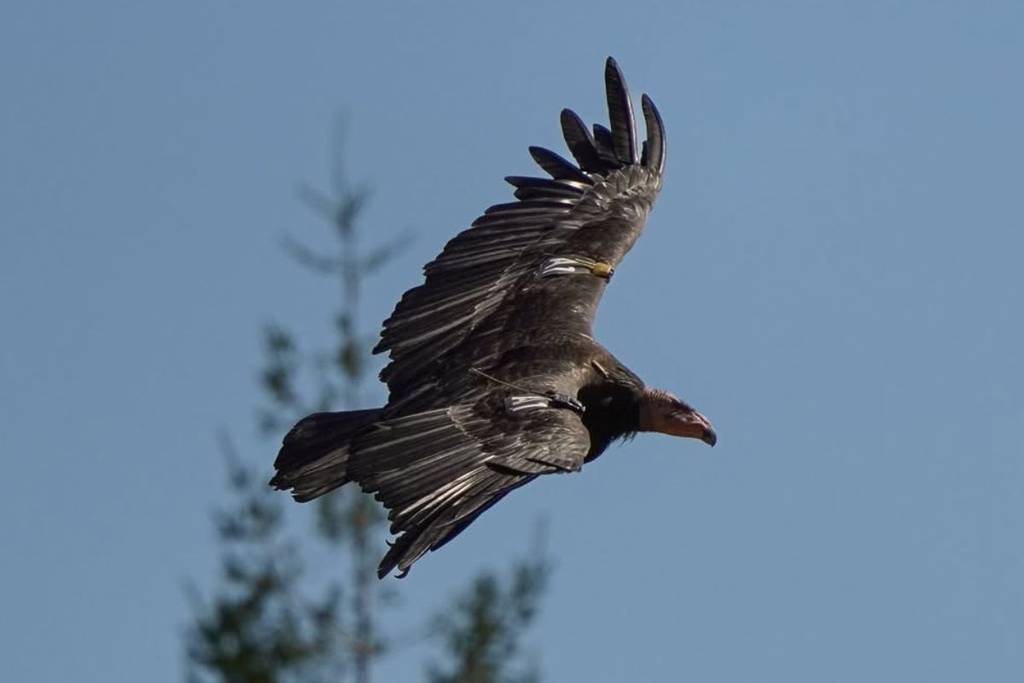
The California Condor Recovery Program is a large international effort led by the U.S. Fish and Wildlife Service, working with federal, state, tribal, and nonprofit partners. Its goal is to restore self-sustaining populations of condors across their historic range, which once stretched from California to Florida and from western Canada to northern Mexico.
The program focuses on reducing threats in the wild, breeding condors in managed care, and releasing and monitoring birds in natural habitats. It also plays a key role in public education to raise awareness about the species.
Back in 1982, only 22 individuals remained in the wild, but today, the number of free-flying condors has grown to nearly 400, marking a significant recovery milestone, though continued management and protection remain essential for the species’ long-term survival.