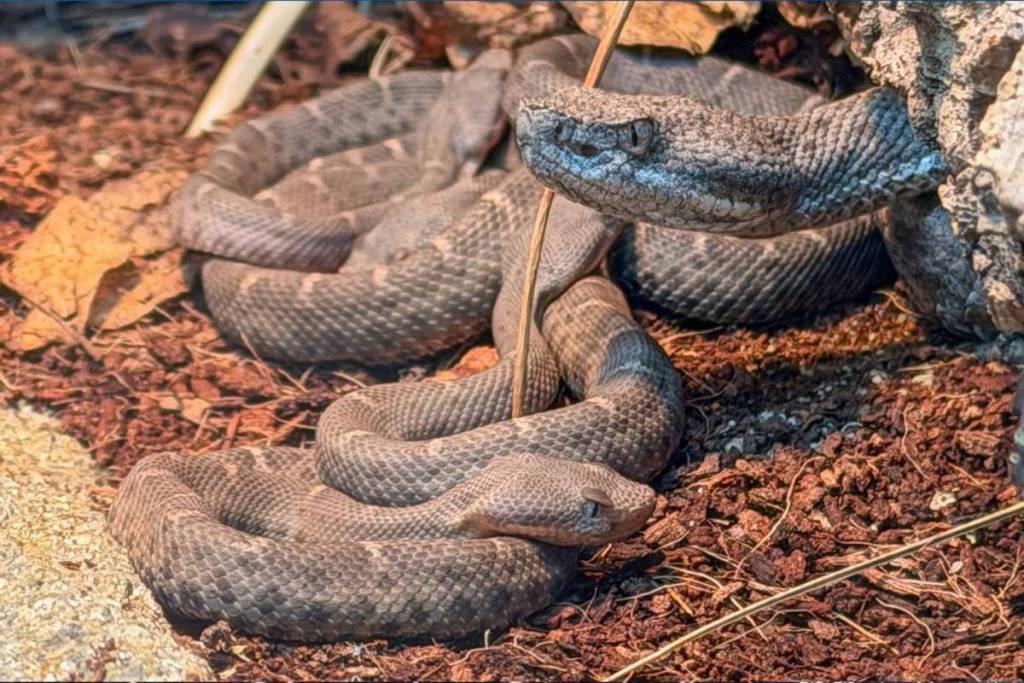

The Los Angeles Zoo has become the first institution to successfully breed the New Mexico ridge-nosed rattlesnake (Crotalus willardi obscurus) as part of Project Obscurus, a landmark international conservation effort coordinated by The Rattlesnake Conservancy.
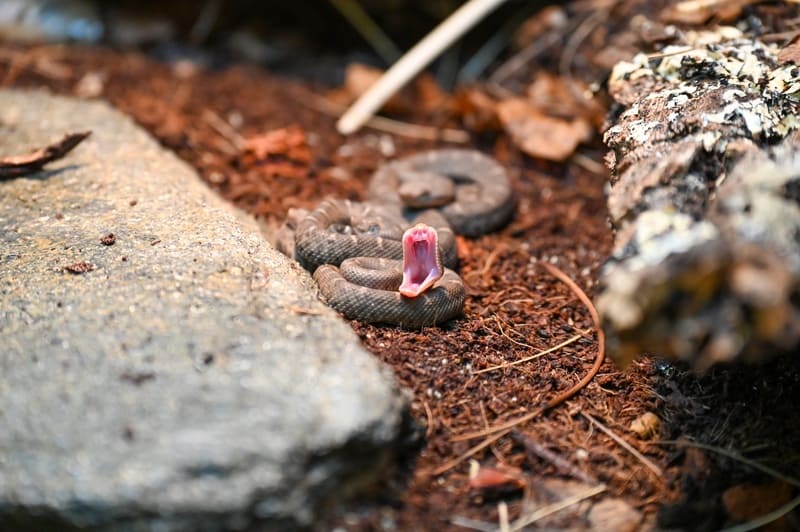
Two litters arrived this August — five neonates on the 18th and one more on the 28th — and all six are now being cared for behind the scenes by zoo staff.
The rarest rattlesnake in the country
The New Mexico ridge-nosed rattlesnake is widely considered the rarest rattlesnake in the United States. Classified as Threatened by the U.S. Fish and Wildlife Service, the species occupies a remarkably small range: mountain habitats between 5,000 and 8,000 feet in the Peloncillo and Animas ranges of Arizona and New Mexico, and the Sierra San Luis of Sonora and Chihuahua in Mexico. Its extreme geographic restriction makes the species especially vulnerable to population collapse.
Unlike most reptiles, this rattlesnake gives birth to live young rather than laying eggs. The six neonates will remain off-exhibit while staff monitor their development. Once they reach maturity and hit key health benchmarks, they and their offspring will be candidates for release into native habitat in Arizona or New Mexico, where they will directly strengthen struggling wild populations through genetic rescue.
“The L.A. Zoo is proud to be the first, but certainly not the last, among Project Obscurus partners to successfully breed this federally threatened species,” wrote the L.A. Zoo on Instagram.
Project Obscurus builds on more than 30 years of field research conducted across the U.S.-Mexico border, formalized into its current structure in 2024. The L.A. Zoo is one of three zoo partners in the headstart breeding program, alongside the Arizona-Sonora Desert Museum and San Antonio Zoo, with researchers and wildlife agencies on both sides of the border rounding out the collaboration.
“These two litters represent a tangible lifeline for a species whose numbers have drastically declined in the U.S.,” said Byron Wusstig, Curator of Ectotherms at the Los Angeles Zoo.
Visit Project Obscurus to learn more information about the recovery effort.