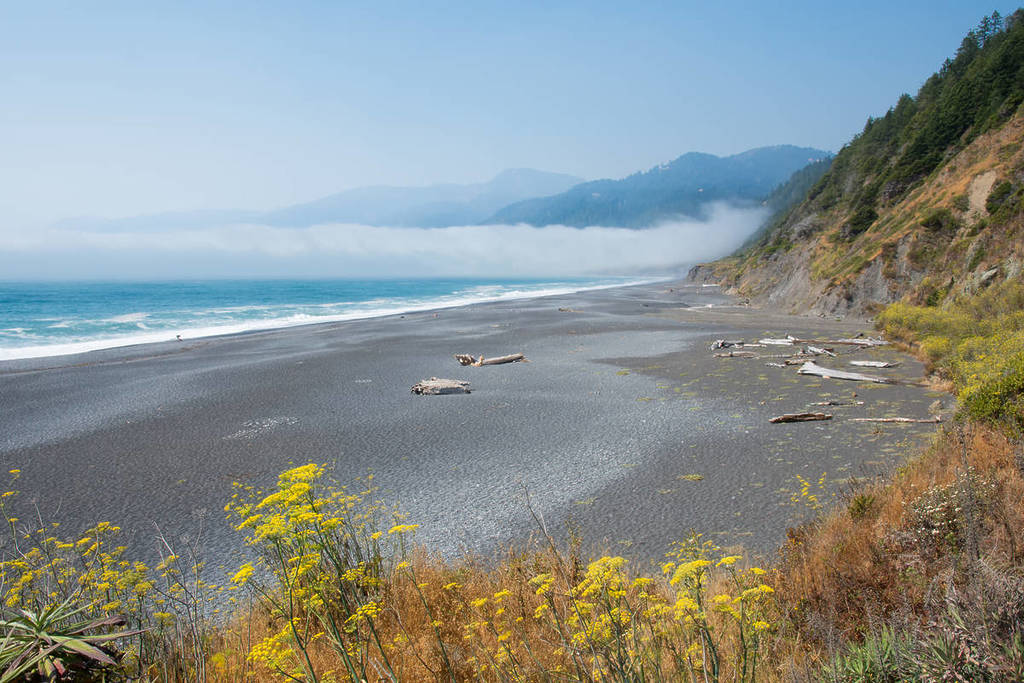
Northern California’s isolated Lost Coast is a 75-mile expanse of rugged shoreline stretching between Rockport and Ferndale. Its steep terrain and challenging geography have kept it largely free from development, highways, and major roads—so much so that State Route 1 detours inland to avoid the area entirely.
Because of the limited infrastructure, the Lost Coast is notoriously difficult to access. Still, adventurous hikers and backpackers often tackle the 25-mile Lost Coast Trail to immerse themselves in one of California’s wildest and most unspoiled landscapes.
Here’s a closer look at California’s most remote stretch of coastline.
History of the Lost Coast
For centuries, the Lost Coast was home to the Sinkyone, Mattole, and Wiyot peoples, who hunted and fished throughout the land until the arrival of European settlers and the California Gold Rush in the 1800s.
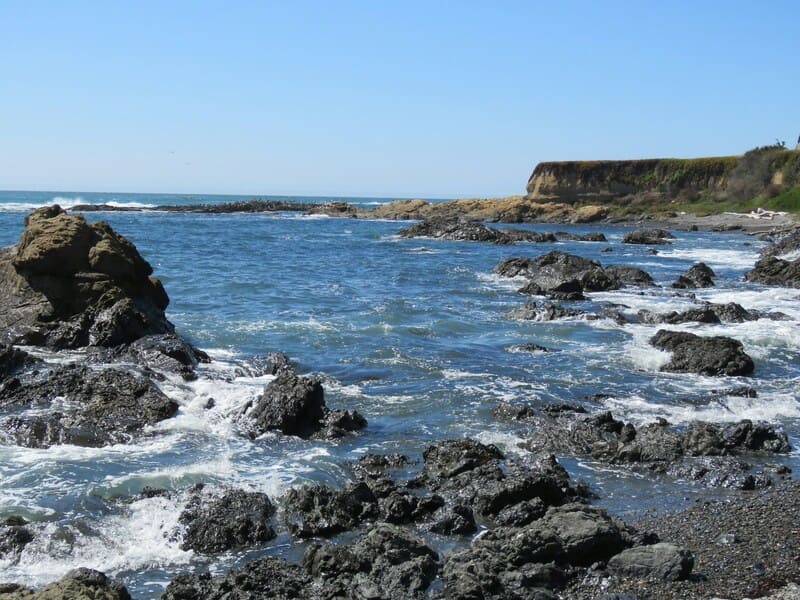
Nearby communities such as Ferndale and Shelter Cove were established in the 19th and 20th centuries, but the Lost Coast’s steep terrain and frequent landslides made large-scale development nearly impossible. When highway construction reached the region in the 20th century, planners chose to bypass the Lost Coast entirely.
Further efforts in the 1960s to build resorts also fell through, hindered both by the geography and by emerging conservation efforts, including the creation of the California Coastal Trail Commission.
Today, the Lost Coast remains safeguarded within the King Range National Conservation Area, preserving its wild, undeveloped lands.
Hiking the Lost Coast Trail
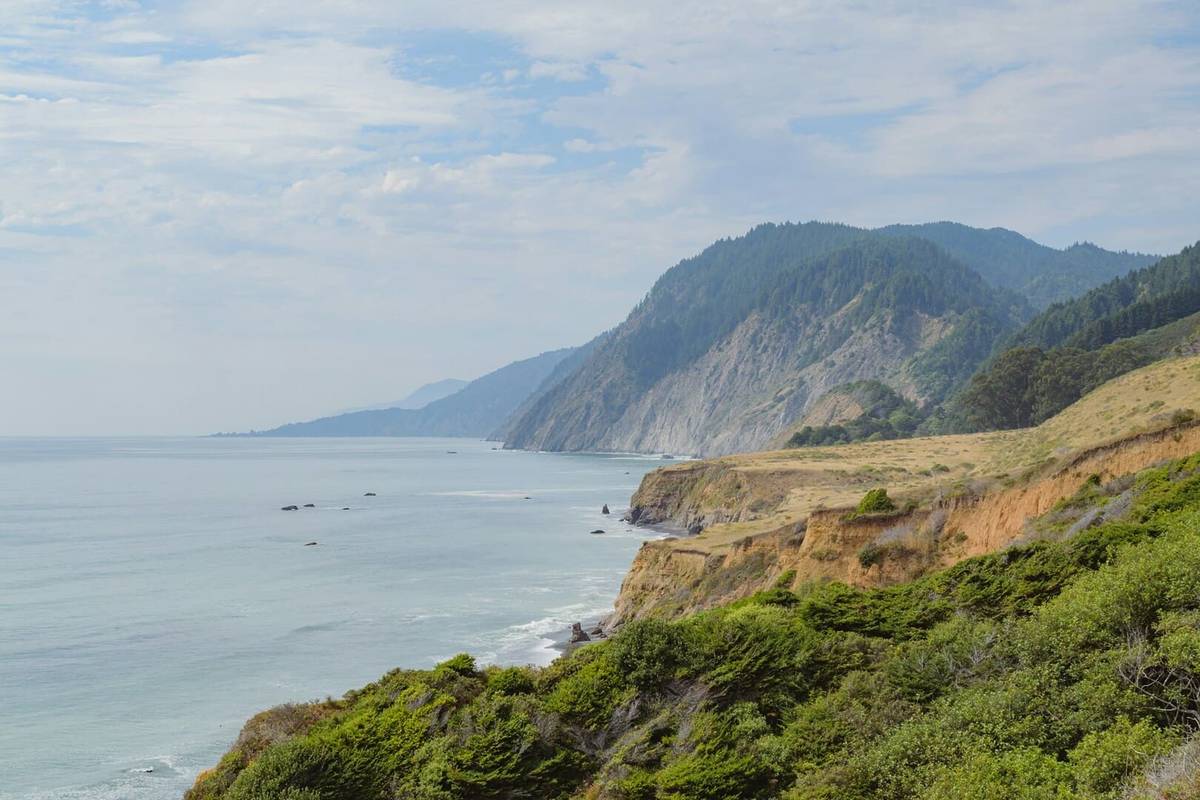
The Lost Coast Trail spans roughly 25 miles between the Mattole River and Shelter Cove, serving as the most iconic and accessible way to explore this otherwise isolated region of California. Adventurers come from around the globe to experience its striking black sand beaches, dense coastal forests, and sweeping bluff-top meadows.
Typically completed in 2 to 4 days, the route cuts through the rugged King Range, whose dramatic mountains rise 4,000 feet above the Pacific. Along the way, hikers can take a short detour to visit the historic Punta Gorda Lighthouse, an abandoned 1912 beacon. Other than the odd Roosevelt elk herd, seal pod, or seabird colony, you’re unlikely to encounter many other travelers.
The Lost Coast also forms part of the California Coastal Trail (CCT), a planned 1,230-mile route stretching from Oregon to Mexico. About 70% finished, the CCT connects some of California’s most stunning landscapes into one continuous public trail system.
🌐 Learn more: Bureau of Land Management