In the early 20th century, professional football was still finding its footing. At the time, college football reigned supreme, with games filling stadiums on Saturdays. To avoid competing with the established college game, professional NFL teams found their niche on Sundays, a day without a major sports rival.
The enduring tradition of NFL Sundays
This setup laid the groundwork, but the real game-changer arrived in the 1950s with the widespread adoption of television. Networks were eager to fill their weekend schedules with exciting programming, and the NFL was the perfect fit. The league’s thrilling matchups captivated audiences, quickly making it a television staple.
Congress and the Sports Broadcasting Act
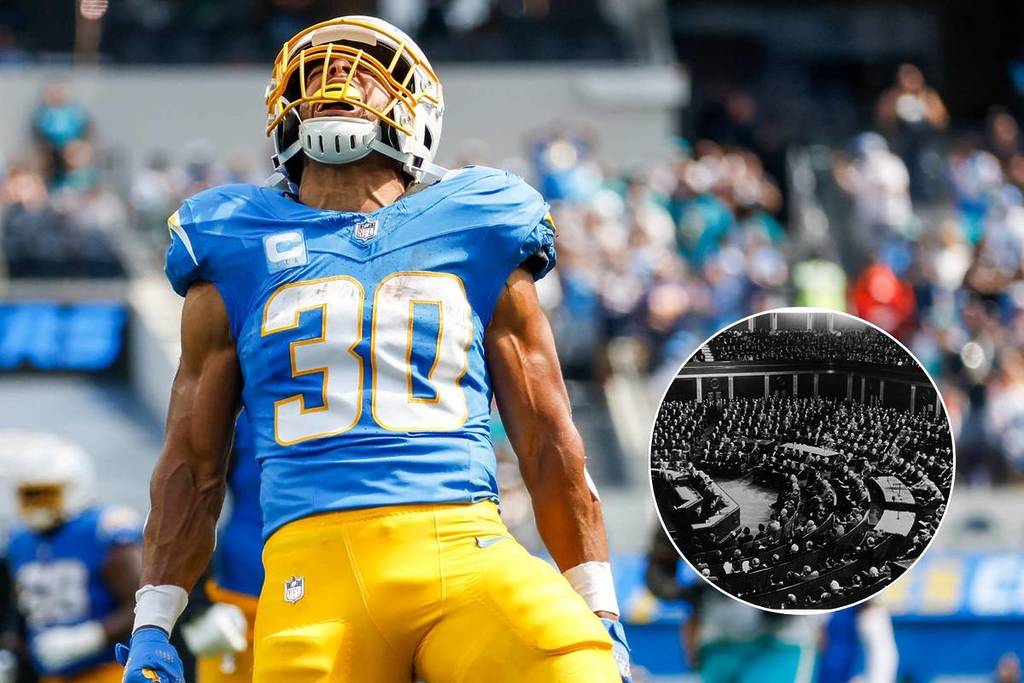
Just as the NFL was beginning to build momentum, an unexpected player entered the field: Congress. In 1961, concerned that the NFL’s growing popularity would overshadow high school and college football, a law was passed to protect the amateur game.
The Sports Broadcasting Act of 1961, in essence, created a no-fly zone for the NFL. The law banned professional football games from being broadcast on television on Friday nights and Saturdays during the fall. This strategic move was designed to ensure that college and high school games had a clear window to attract fans and viewership without direct competition from the pros.
Sundays are for the NFL
The result of this legislation was a monumental shift in the American sports landscape. With Fridays and Saturdays reserved for high school and college football, the NFL’s dominance on Sundays became cemented. The schedule naturally funneled all the professional football action into one day, transforming Sundays into a national event.
This legal protection not only created a dedicated day for the NFL. Also, solidified its place as a weekend tradition. The league’s strategic use of this exclusive window, combined with its thrilling on-field action, has turned NFL Sundays into a cultural phenomenon.
So, the next time you settle in for a day of football, you’ll know that this cherished ritual is a direct result of a law passed more than six decades ago to protect the sport’s roots.