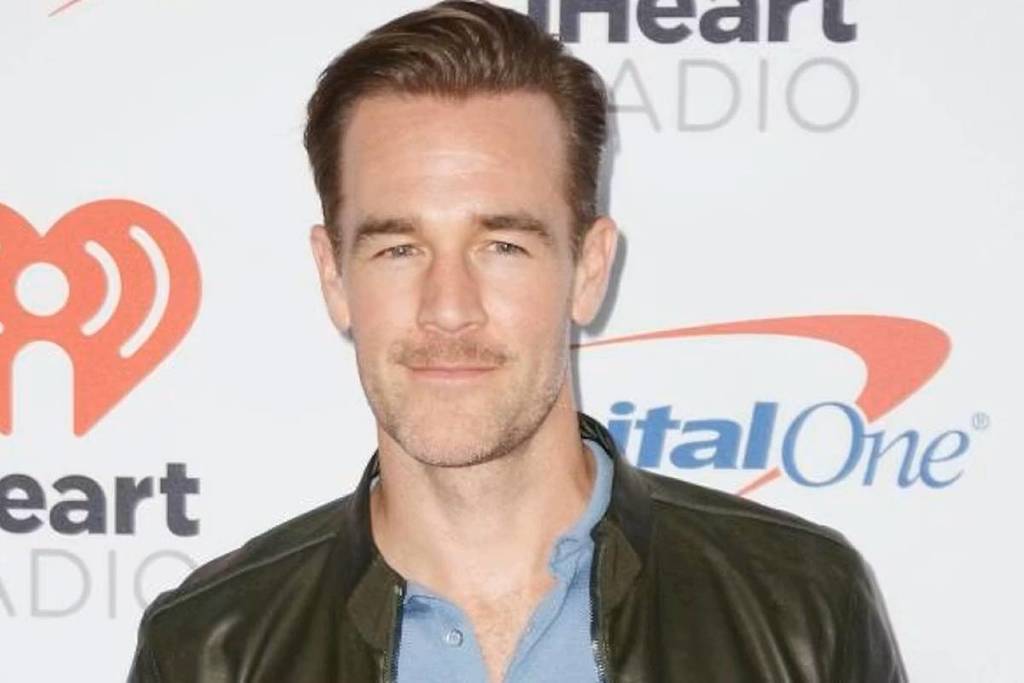
James Van Der Beek, best known for his starring role in Dawson’s Creek, has died at the age of 48 after a battle with bowel cancer. His family shared that he “met his final days with courage, faith, and grace,” remembering him as a loving husband, father, son, brother, and friend.
In a statement on Instagram, his family announced, “Our beloved James David Van Der Beek passed peacefully this morning. He met his final days with courage, faith, and grace. There is much to share regarding his wishes, love for humanity and the sacredness of time. Those days will come. For now we ask for peaceful privacy as we grieve our loving husband, father, son, brother, and friend.”
While his passing is a profound loss, it also brings into focus the remarkable career he built. And much of it occurred in Los Angeles, the city that helped shape him.
The 2000s Teen Drama Boom
There was a time when teen dramas ruled television and Los Angeles was at the center of it all. As Dawson’s Creek became a defining show of the late ’90s and early 2000s, Van Der Beek rose to fame, and Hollywood became the backdrop to his evolution from breakout star to household name.
Though the series was set on the East Coast, its cultural impact lived squarely within L.A.’s television machine. Van Der Beek became part of the city’s golden era of youth-driven programming, helping cement The WB’s place in pop culture history.
Reinvention In Hollywood
What made his later L.A. years especially memorable was his willingness to embrace reinvention. Rather than distancing himself from his teen idol image, Van Der Beek leaned into it. He did this most notably by parodying himself in Don’t Trust the B—- in Apartment 23. In a city that thrives on second acts, that self-awareness signaled staying power.
A Lasting L.A. Legacy
From heartthrob to Hollywood mainstay, Van Der Beek’s journey mirrored Los Angeles itself – ever-evolving, nostalgic, and always ready for a rewrite. For many Angelenos who grew up during the WB era, his presence remains part of the city’s television legacy. The work of James Van Der Beek is a defining chapter in L.A.’s entertainment history.