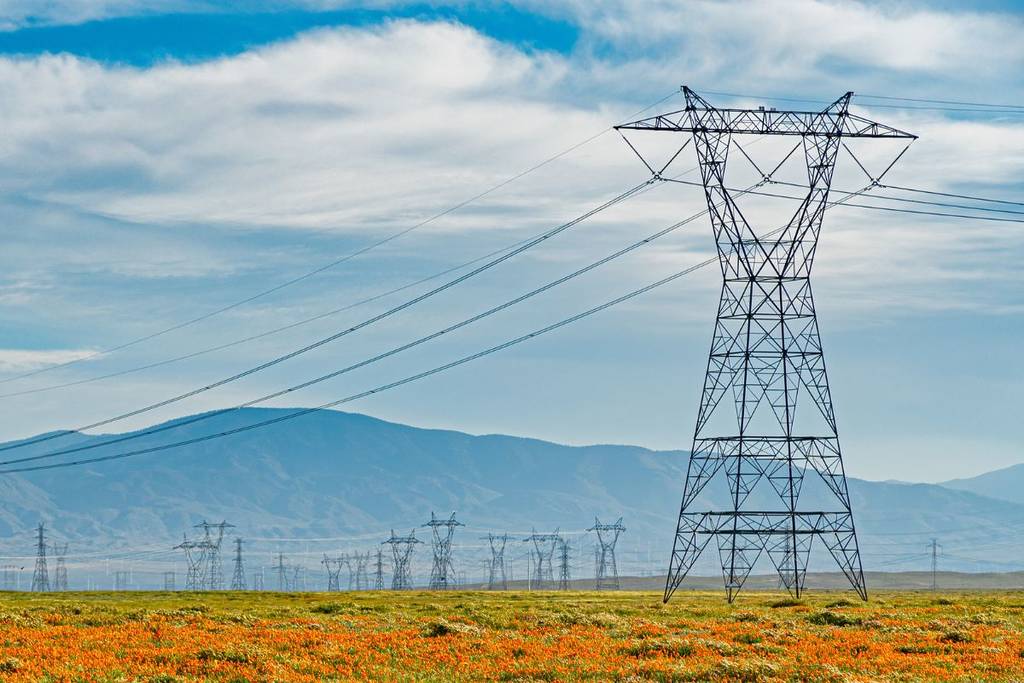
Power outages are becoming more common worldwide, driven by both climate change and the growing reliance on electricity in people’s daily lives. This prompted researchers at Texas A&M University to study which regions in the U.S. are more vulnerable to outages than others.
According to KTLA5, the study was conducted by the university’s Urban Resilience AI Lab. Using machine learnings and artificial intelligence, they created a nationwide Power Stability Vulnerability Index (PSVI) for every county in the contiguous U.S.
The team analyzed around 179 million outage records, logged at 15-minute intervals, across 3,022 counties between 2014 and 2023. They built a framework based on three key dimensions: intensity, frequency, and duration.
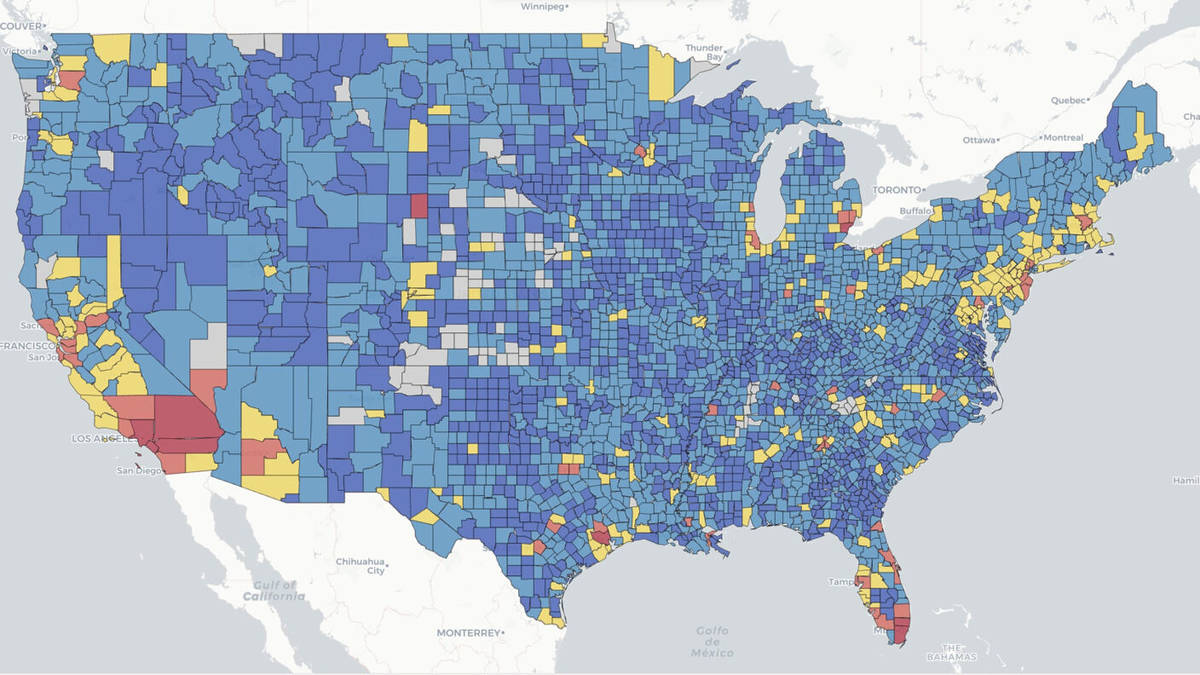
The counties most at risk are concentrated along the coasts (California and Washington in the West, Florida and the Northeast in the East), as well as in parts of the Great Lakes region (including the Chicago and Detroit metro areas) and the Texas Gulf Coast.
In SoCal, Los Angeles, Orange, San Bernardino, and Riverside counties all fall into the “extreme” risk category. L.A. County recorded the highest possible PSVI score of 100. San Bernardino followed with 99.76, Orange with 99.7, and Riverside with 99.67, placing all of them among the most vulnerable counties in the nation.
The researchers also pointed out a rising trend in weather-driven outages. Their findings suggest that blackouts are lasting longer, happening more often, and affecting more people each year, especially in densely populated regions.