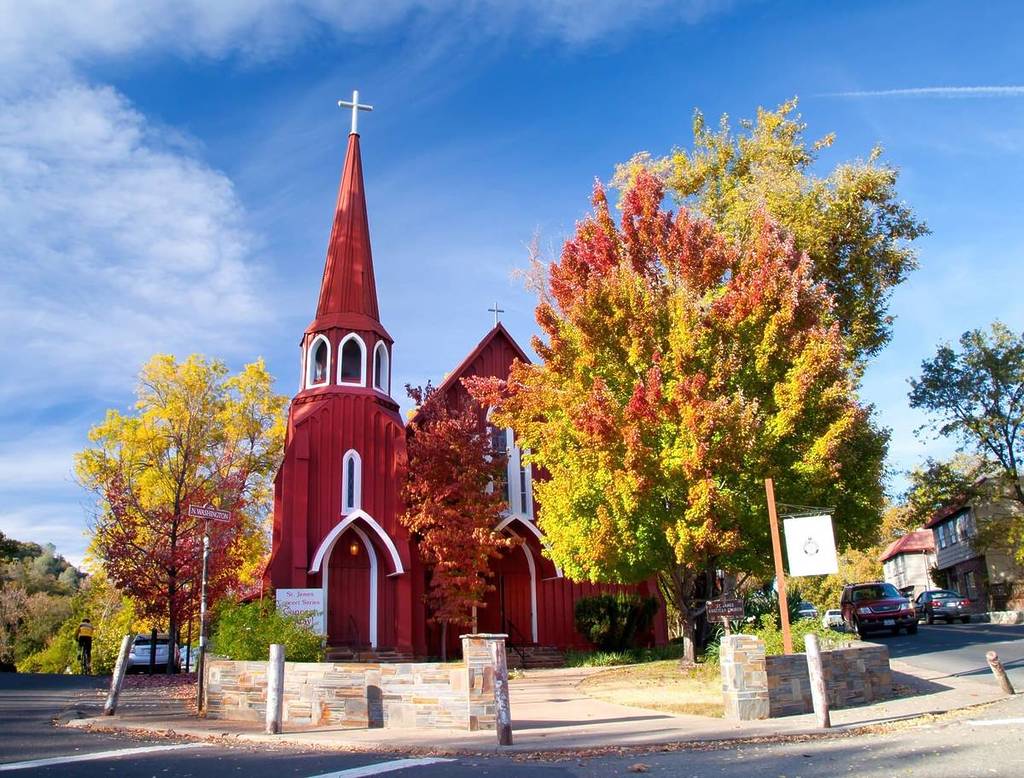

The California Gold Rush history is one of the state’s most fascinating backstories. You can explore it all via the historic Highway 49, also known the “Gold Rush Trail,” which connects over two dozen Gold Rush towns to this day.
One such destination is the charming city of Sonora in Tuolumne County, which was incorporated in 1851 as one of the oldest official cities in California. Nicknamed the “Queen of the Southern Mines,” Sonora still preserves many of its Victorian Gold Rush-era buildings to this day.
History of Sonora
Originally a winter camping place for the Indigenous Miwok people, Sonora’s modern history began when Mexican miners from the State of Sonora, Mexico, settled the “Sonoran Camp” as a key Gold Rush hub.
The settlement drew miners from Mexico, South America, Europe, and the United States, raising the population to about 5,000 people by 1849. Sonora was officially incorporated as a city in 1851.
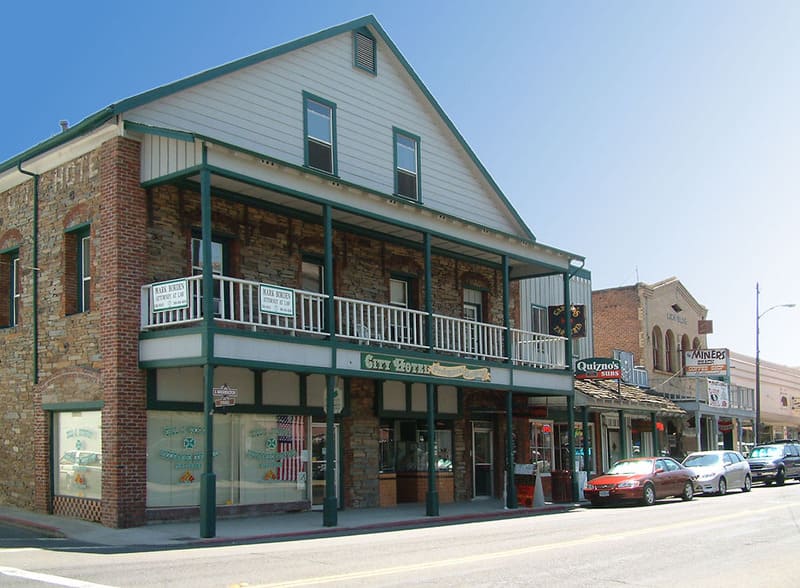
You can still see quite a few nineteenth-century buildings in downtown Sonora, especially along Washington Street. Look for the 1866 brick Tuolumne County Museum, which used to be the Tuolumne County Jail; the 1885 Sonora Opera Hall; 1898 Tuolumne County Courthouse; and the 1852 City Hotel.
Visiting Sonora
These days, Sonoma offers a range of small-town activities to enjoy against the backdrop of its historic city center. Victorian-era buildings house a thriving art and food scene, with Art Nights on second Saturdays and a range of cute boutiques and galleries to explore. Foodies can enjoy farm-to-table dining, casual Mexican restaurants, craft beer and coffee, and a popular Saturday farmers market.
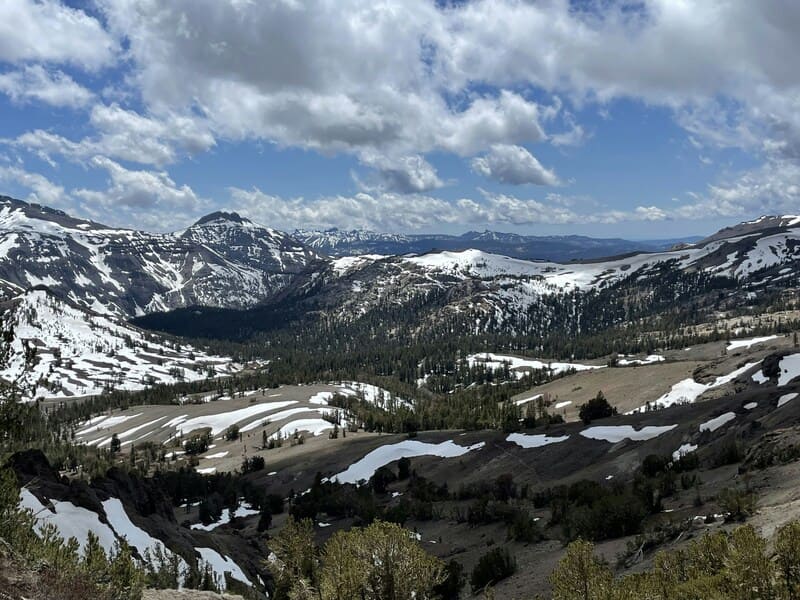
As a gateway to the Sierra Nevada, Sonora is well-located for outdoor nature escapes like nearby Pinecrest Lake, Yosemite, Calaveras Big Trees, and small nearby swimming holes.
🌐 Learn more: Visit Tuolumne County