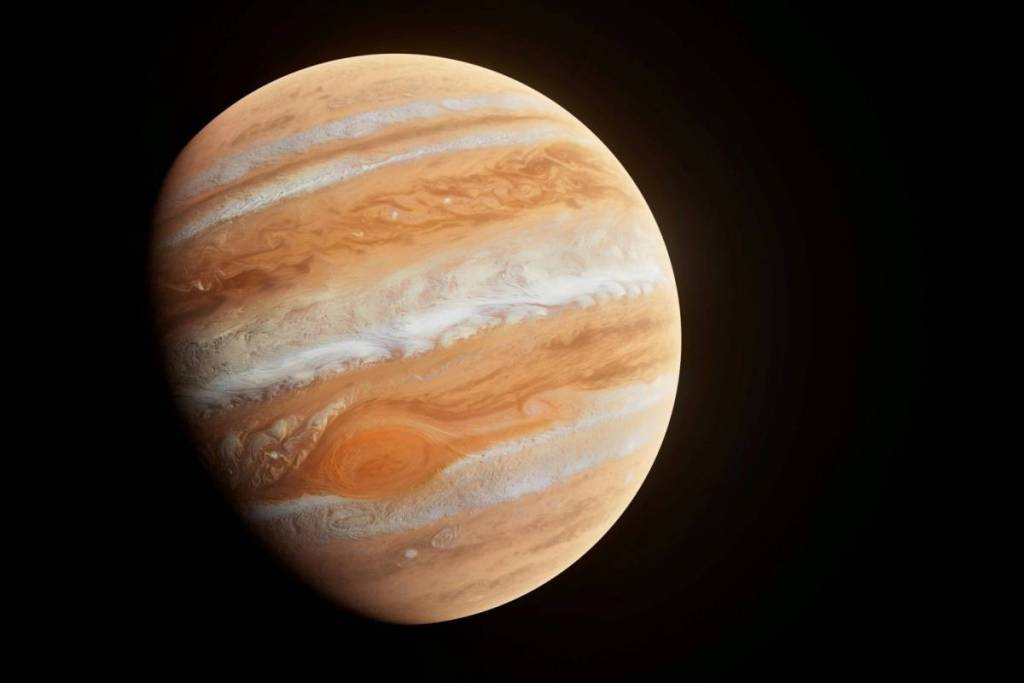

Los Angeles stargazers have a reason to set their alarms early this week. Mars and Jupiter will appear in a striking celestial lineup before sunrise on October 26 and 27. Plus, they’ll both be joined by the Beehive star cluster and Regulus, one of the brightest stars in the sky.
The planets are easy to spot without special equipment, making this a great opportunity to catch a glimpse of the night sky before the day begins.
When to see Mars and Jupiter in L.A.
The best time to view the lineup in Los Angeles is during the early morning hours before sunrise. On October 26 and 27, look toward the eastern sky before dawn to spot the planets and their celestial companions.
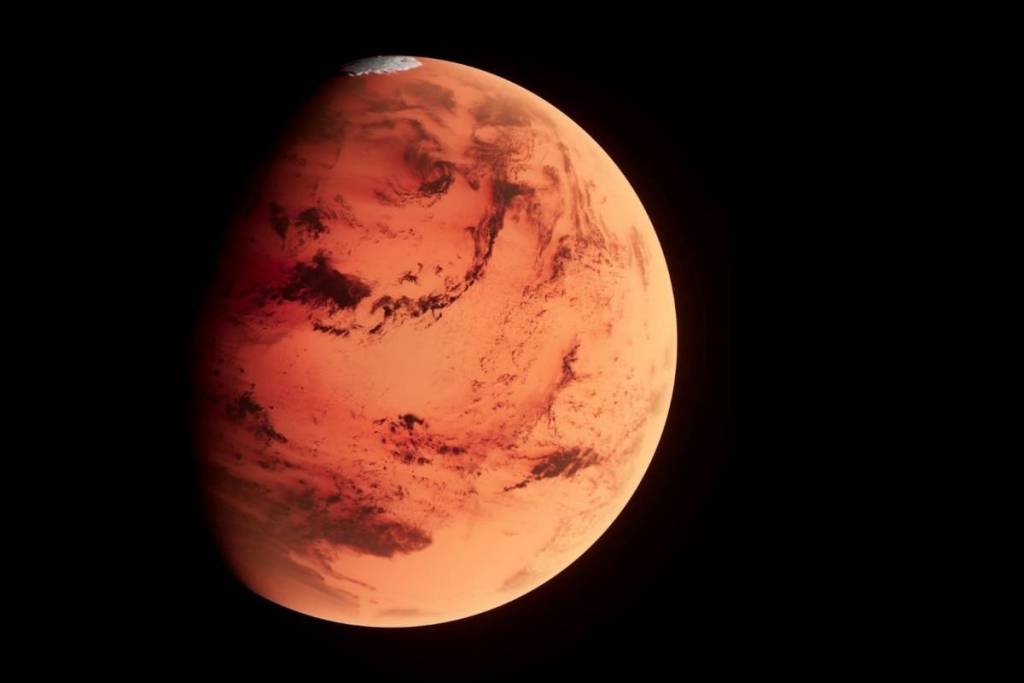
Jupiter will stand out as the brighter of the two planets, while Mars will have a more reddish appearance. Regulus will also be visible nearby, helping create a nearly straight line of celestial objects.
For the best view, aim to head outside around 5:30–6:15 a.m., before the sky becomes too bright. Check the local forecast beforehand, since clouds can affect visibility.
Can you see the lineup without a telescope?
Yes! Mars, Jupiter, and Regulus should all be visible to the naked eye under suitable conditions.
The Beehive star cluster, also known as Messier 44, is a little harder to see. It contains hundreds of stars and sits in the constellation Cancer. Although it may look like a faint, fuzzy patch under dark skies, binoculars can reveal many more of its stars.
A nearly full Moon will be in the sky during this event, which may make the fainter cluster more difficult to spot.
You won’t need to travel far from Los Angeles to see the planets, but finding a location with a clear view of the eastern sky and less light pollution can improve your chances. This week’s planetary lineup offers a beautiful reason to get up a little bit earlier this week.