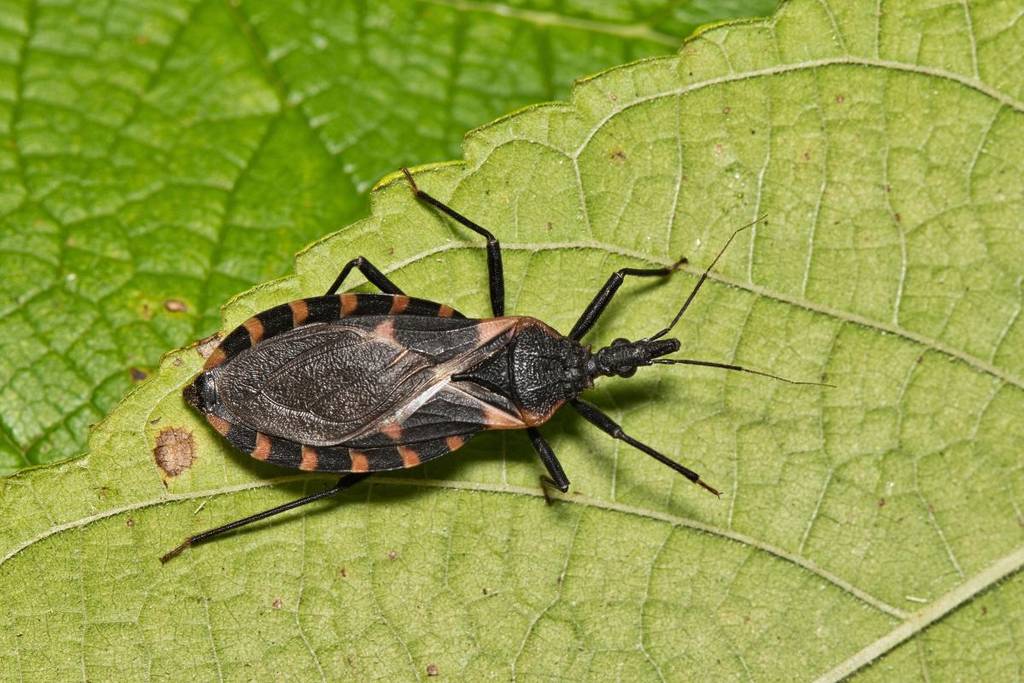
An endemic disease in Latin American countries is seeing a rise in reported cases in the U.S.. A recent report published by the Centers for Disease Control and Prevention (CDC) revealed alarming figures, with around 300,000 people infected nationwide with Chagas disease (kissing bug disease) and California is the most affected state with 70,000 to 100,000 cases, according to the LA Times.
What is the “kissing bug” disease?
The “kissing bug disease” is a parasitic infection caused by Trypanosoma cruzi, which is primarily transmitted through the feces of these insects known as triatomines, popularly known as “kissing bugs” or “vampire bugs”. These bugs usually bite around the face and defecate near the wound. When scratched, the parasites in the feces can enter the body, the National Library of Medicine explains.
States where “kissing bug” disease is reported
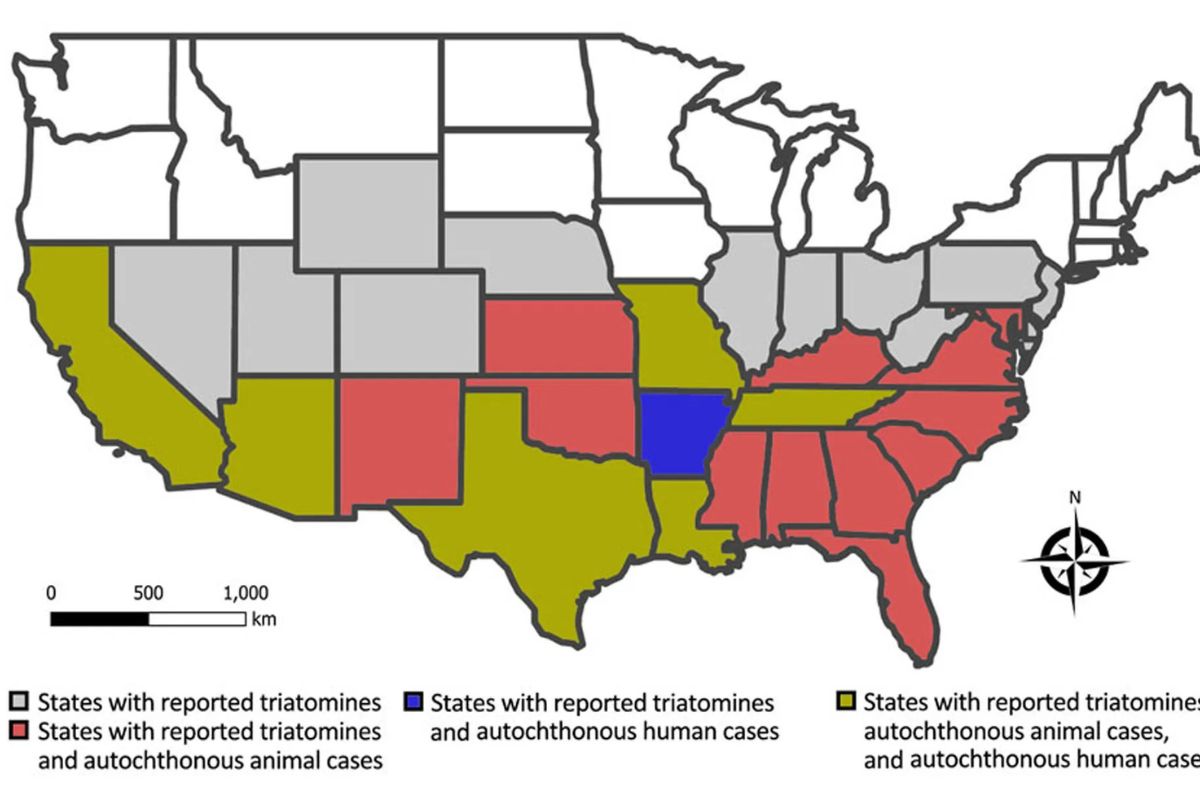
Chagas disease has been confirmed in eight U.S. states with locally acquired human cases: California, Texas, Arizona, Louisiana, Missouri, Mississippi, Arkansas, and Tennessee. Additionally, triatomine insects and T. cruzi infections in animals have been documented across 32 states, underscoring a broader geographic presence of the vector even where human cases are rarer. These findings suggest that while human disease remains concentrated in a few states, the potential for transmission exists more widely across the southern U.S.
What are the symptoms of the “kissing bug” disease?
Chagas disease unfolds in two phases. The acute phase is often asymptomatic or marked by mild symptoms, such as fever, fatigue, headache, body aches, diarrhea, vomiting, or pronounced eyelid swelling. If untreated, infection can progress to a chronic phase, which may develop years later and affect up to 20–30% of patients, leading to serious life-threatening consequences such as heart and digestive conditions, such as arrhythmias, heart failure, or an enlarged colon or esophagus.
How to prevent the “kissing bug” disease
Prevention focuses on minimizing contact with kissing bugs: seal cracks and gaps in homes, use screens, and keep areas around beds and walls clean and well-lit to deter these nocturnal insects. Blood and organ donor screening, plus awareness during pregnancy, are essential because the disease can also be transmitted through blood transfusion, organ transplants, or congenital transmission.