
You don’t have to cross the equator or book a flight to South America to stumble upon landscapes that feel worlds away. California is full of places that transport visitors somewhere else entirely.
Tucked high in the Eastern Sierra, however, lies a destination that locals often compare to one of the most bucket-listed regions on Earth: Patagonia. With glacier-fed turquoise lakes, towering granite peaks, and dramatic alpine scenery, between Inyo National Forest and the Mammoth Lakes region, Big Pine Lakes has earned the unofficial nickname of “California’s Little Patagonia.”
Why do Big Pine Lakes remind hikers of Patagonia?
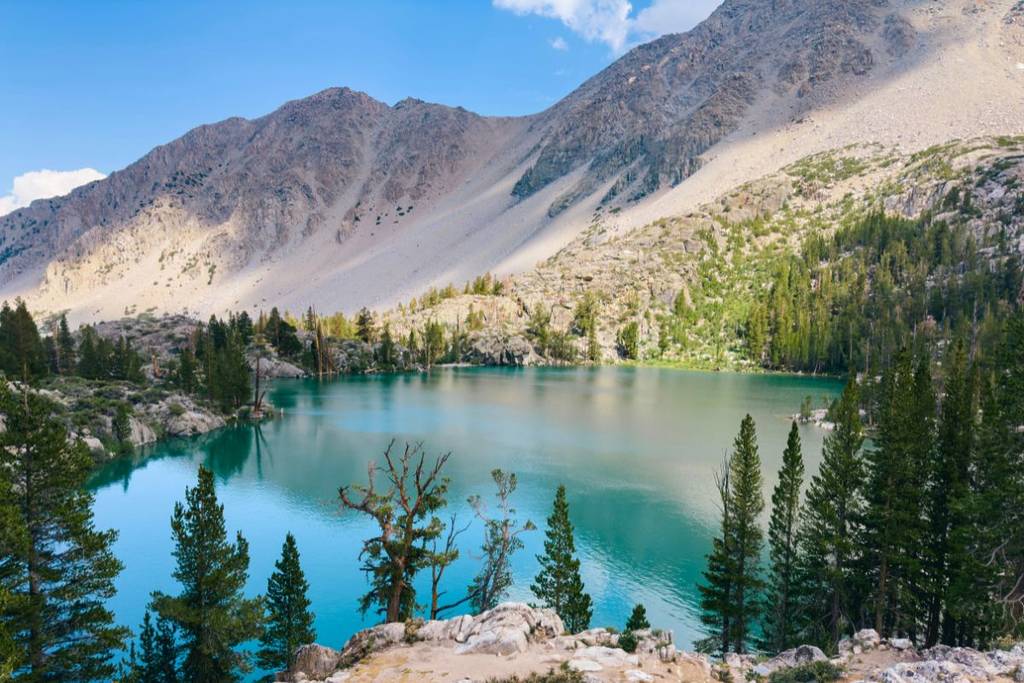
The heart of the experience is the famous Big Pine Lakes Trail, also known as the Numbered Lakes Trail, which winds through the John Muir Wilderness past seven spectacular alpine lakes. Each lake is simply named First through Seventh Lake, but there’s nothing ordinary about them.
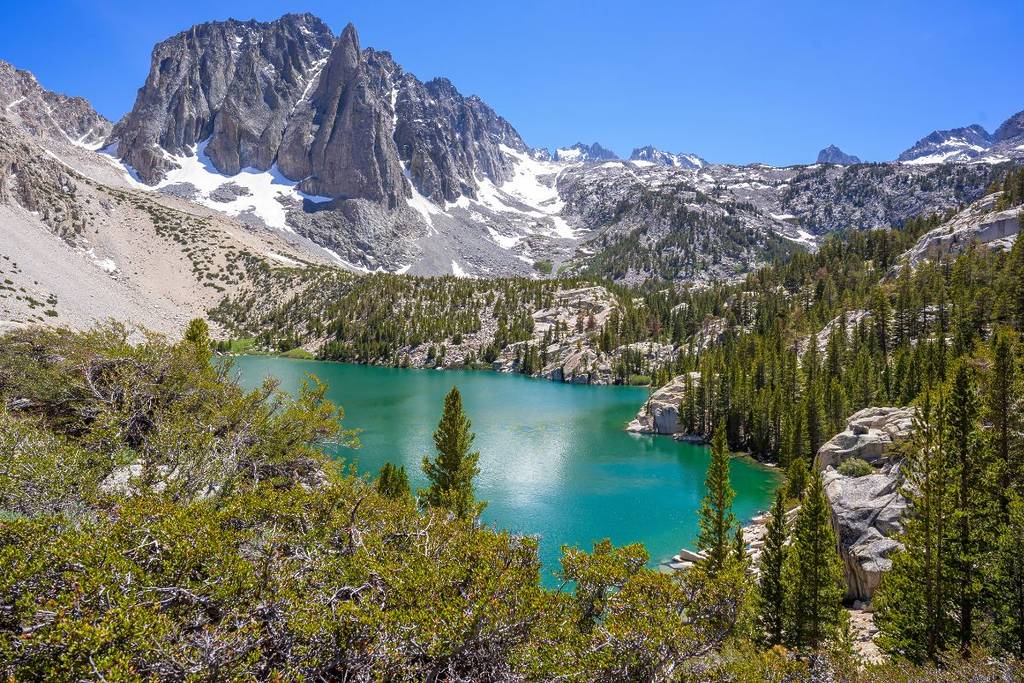
The first few lakes are famous for their almost surreal color, created by fine glacial silt suspended in the water. Behind them rises the Palisade Glacier, the southernmost permanent glacier in the contiguous United States and one of the largest remaining glaciers in the Sierra Nevada.
Fed by snowmelt from surrounding 14,000-foot peaks, the glacier has shaped this dramatic landscape over thousands of years, carving steep granite walls, waterfalls, and glacial valleys.
The scenery changes constantly as the trail climbs alongside the North Fork of Big Pine Creek, weaving through pine forests, wildflower meadows, granite switchbacks, and rushing streams before opening onto panoramic mountain views that many compare to Los Glaciares National Park.
Best time to visit and best things to do at Big Pine Lakes
The best time to visit Big Pine Lakes is generally late June through early October, when most of the snow has melted, and trail conditions are at their best. July and August typically offer the clearest access to all seven lakes, although early mornings remain chilly thanks to the elevation.
Most visitors come for the hike, but the area is also popular for fishing, photography, backpacking, wildlife watching, and horseback riding. If you’re feeling brave, you can even swim in the lakes if you’re brave enough, as the glacier-fed water stays cold throughout the summer.
A day hike doesn’t require a permit, making it one of the easiest ways to experience this alpine paradise. However, anyone planning to camp overnight in the John Muir Wilderness must secure a wilderness permit through Recreation.gov, and permits during peak season often disappear months in advance because of the area’s popularity.