

As the new year approaches, California is preparing for another round of legislative changes that will affect businesses, workers, and consumers. Some measures aim to reduce administrative hurdles for businesses, while others introduce new safeguards around privacy and technology. Here’s what to know about the laws scheduled to take effect statewide in 2027.
1. Minimum wage
The statewide minimum wage will rise from $16.90 to $17.40 per hour. The change also raises the minimum annual salary required to meet the salary test for certain overtime exemptions to $72,384. Local minimum wages may be higher.
2. Pop-up businesses
California’s AB 1679 will make it easier for eligible pop-up businesses and food operators to temporarily occupy vacant commercial spaces for up to 120 days. The measure gives entrepreneurs more flexibility to test a business concept without committing to a long-term lease.
3. Disposable vapes
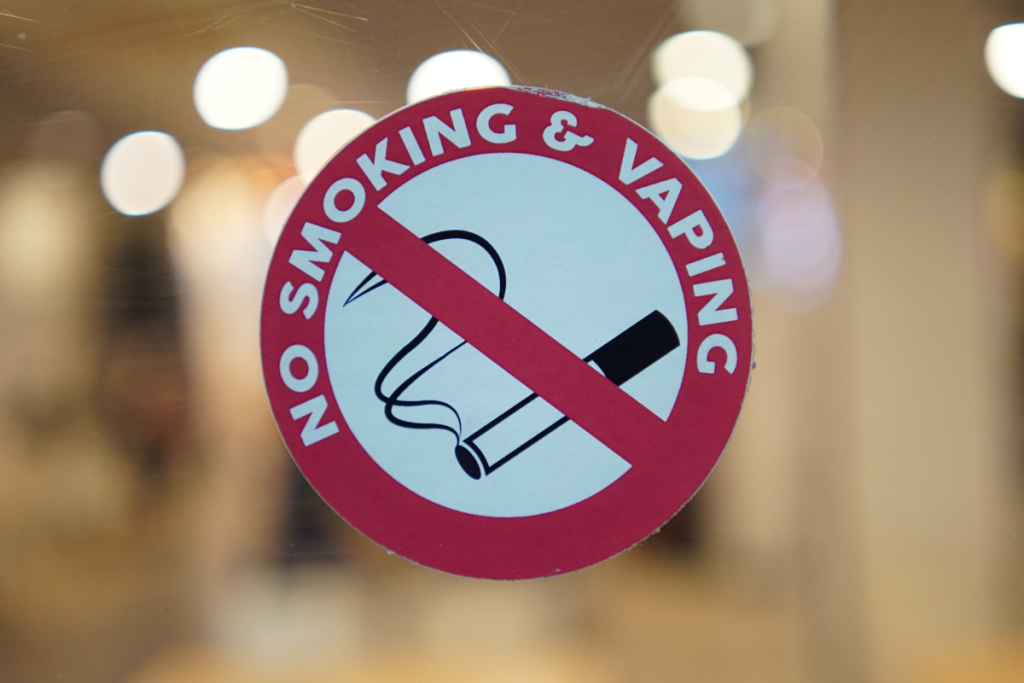
AB 762 targets disposable vaping devices with embedded batteries, addressing concerns about electronic waste and battery disposal. Beginning January 1, 2027, the law will prohibit manufacturing covered devices for sale in California and importing new or refurbished devices covered by the measure.
4. Restaurants and cocktails to go
California restaurants will be able to continue offering qualifying cocktails in sealed containers and single-serving wine for takeout under AB 2663. The measure extends the state’s existing authorization through December 31, 2029, subject to applicable requirements.
5. Customer service chatbots
As more companies rely on artificial intelligence to handle customer inquiries, the state is introducing new requirements for certain customer service chatbots through AB 1609. The measure includes safeguards intended to help consumers recognize when they are interacting with automated systems and access human assistance.
6. Workplace surveillance rules
AB 1331 introduces new requirements concerning workplace surveillance, affecting businesses that use technology to track workers. Employers will need to review how their monitoring practices comply with the law’s applicable provisions.
7. Commercial building permits

Getting a commercial construction project approved can involve lengthy reviews and administrative delays. AB 2418 aims to make that process more predictable by establishing timelines for local agencies reviewing commercial building plans.
8. Sensitive healthcare information
California continues to strengthen safeguards for people receiving reproductive and gender-affirming healthcare within the state. AB 1930 addresses certain out-of-state legal demands targeting information related to care that is legally provided in the state.
9. Recycled-plastic rules
SB 633 increases penalties for manufacturers that fail to meet applicable recycled-plastic content requirements and introduces independent verification requirements for recycled-content reporting beginning in 2028. The changes are intended to strengthen accountability and help ensure that
10. Healthcare data protections
Sensitive medical information can become particularly vulnerable when healthcare providers face legal demands from outside California. AB 2448 adds safeguards involving protected healthcare information and certain efforts by other states to investigate or penalize legally protected reproductive and gender-affirming care.