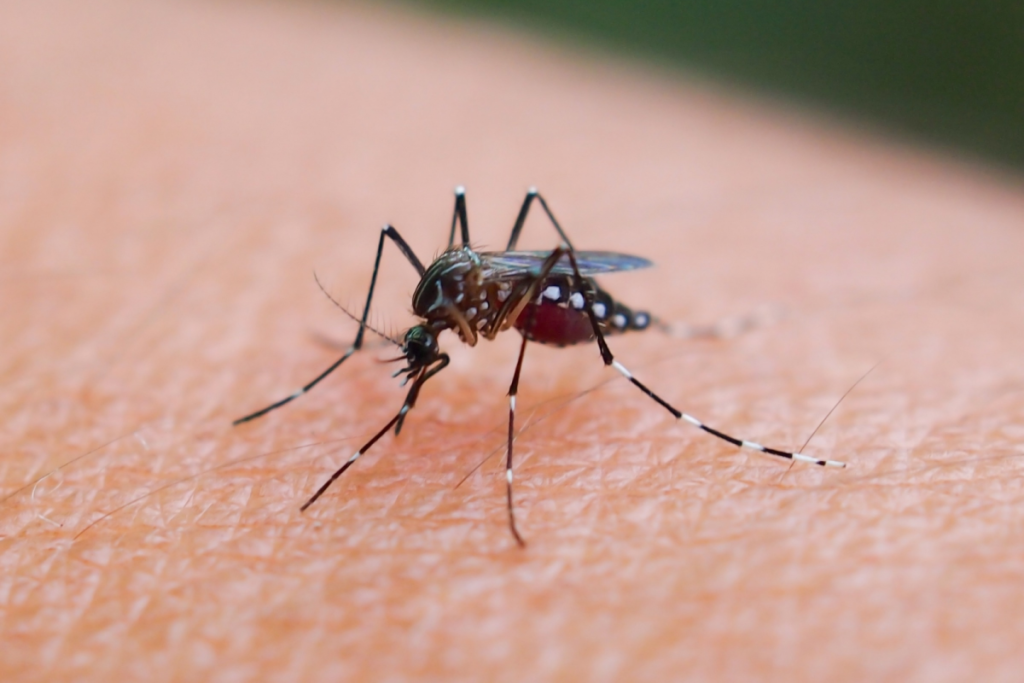

California is seeing a rise in West Nile virus infections in 2026, with hundreds of cases reported statewide and severe illnesses recorded across Southern California. While most people who contract the virus never develop symptoms, a few simple precautions can help reduce your risk as mosquito activity continues into the fall.
What is the West Nile virus?
West Nile virus is a mosquito-borne illness that spreads to humans through the bite of an infected mosquito. Most people who become infected never develop symptoms, while others may experience fever, headache, body aches, vomiting, or a rash.
In rare cases, the virus can cause serious neurological complications, including encephalitis or meningitis. There is currently no vaccine or specific antiviral treatment for people.
The West Nile Virus In California

West Nile virus was first detected in California in July 2003, when researchers identified it in mosquitoes collected near El Centro in Imperial County. The virus subsequently spread through the Imperial and Coachella valleys before reaching Riverside County and the L.A. area. The virus had first been detected in the United States in New York City in 1999, although the exact route by which it reached California remains uncertain.
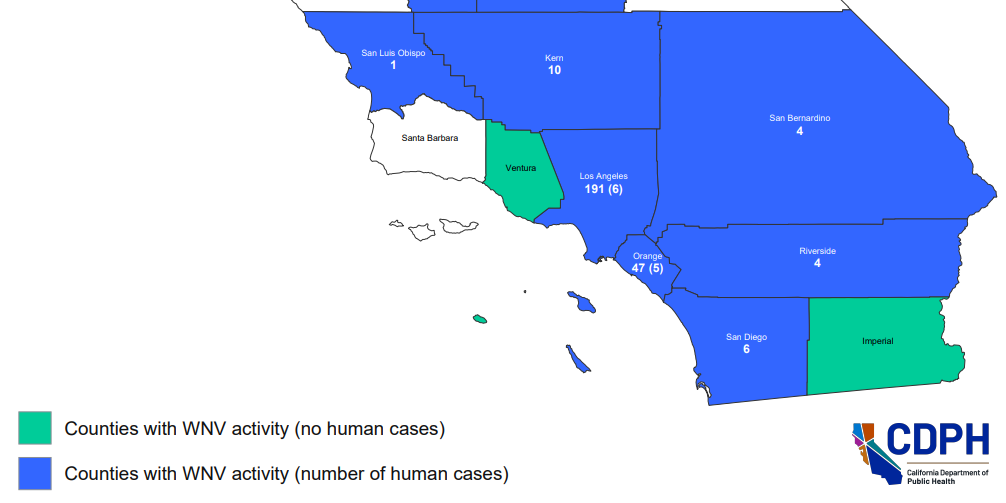
According to preliminary data from the Centers for Disease Control and Prevention (CDC), California had reported 378 West Nile virus cases as of October 2026. Los Angeles County recorded 100 cases and five deaths by September 18, compared with 22 cases and two deaths throughout 2025.
Warm temperatures and humid conditions can help mosquitoes survive longer, extending the period when people may be exposed. Rainwater collects in drains, birdbaths, and other containers where mosquitoes can lay eggs, while warmer temperatures speed up their development and can help West Nile virus spread.
In California, mosquito activity can continue into late fall, as the first hard frost typically arrives between late November and mid-December.
How to protect yourself from mosquito bites

A few practical steps can help keep mosquitoes away from your home and reduce the chances of getting bitten:
- Remove standing water: Empty and scrub birdbaths, flowerpot saucers, buckets, pet bowls, and other containers at least once a week.
- Maintain your yard: Clear clogged gutters, trim overgrown vegetation, and cover rain barrels and other water-storage containers.
- Check window screens: Repair holes in screens on windows and doors to keep mosquitoes outside.
- Use insect repellent: Choose an EPA-registered product containing DEET, picaridin, IR3535, or oil of lemon eucalyptus, and follow the label instructions.
- Dress for protection: Wear long sleeves and long pants when spending time outdoors, particularly when mosquitoes are active.
- Maintain pools and spas: Keep them properly treated and eliminate any standing water nearby.
When to seek medical attention
There is no specific antiviral treatment for West Nile virus, so prevention remains important. Most infections resolve without medical intervention, but severe cases can require hospitalization.
Seek prompt medical attention if you develop a high fever, severe headache, neck stiffness, confusion, or muscle weakness after possible mosquito exposure.