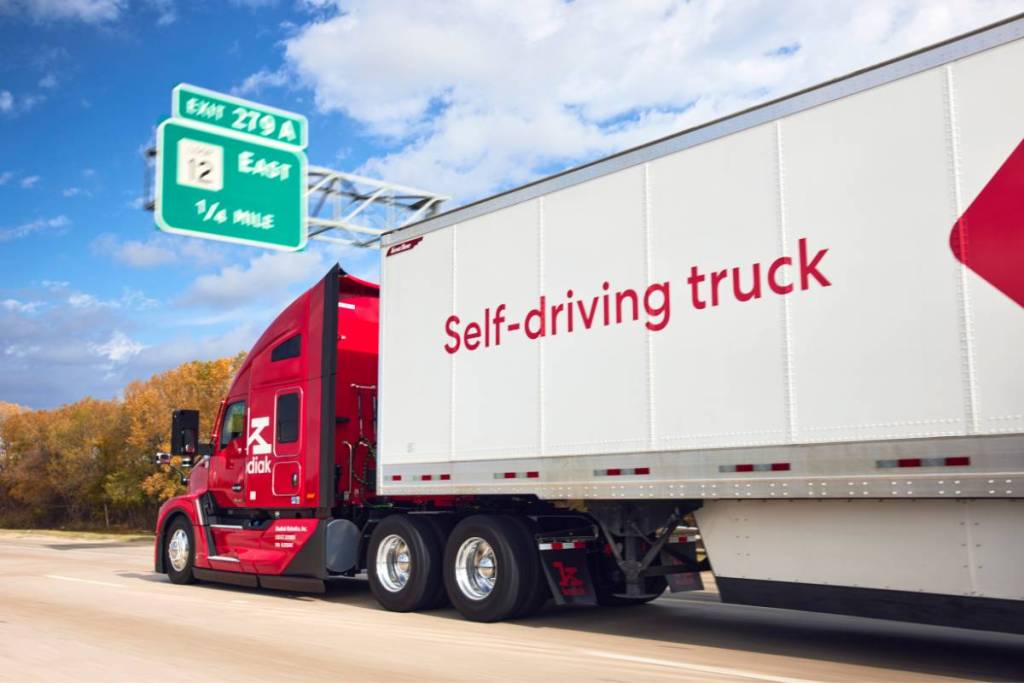

Big rigs with no one driving might sound like something out of a sci-fi movie, but it’s now a reality on California highways. This month, the state issued its first permits allowing autonomous heavy-duty trucks to test on public roads, ending a ban that had kept the technology out of California for years.
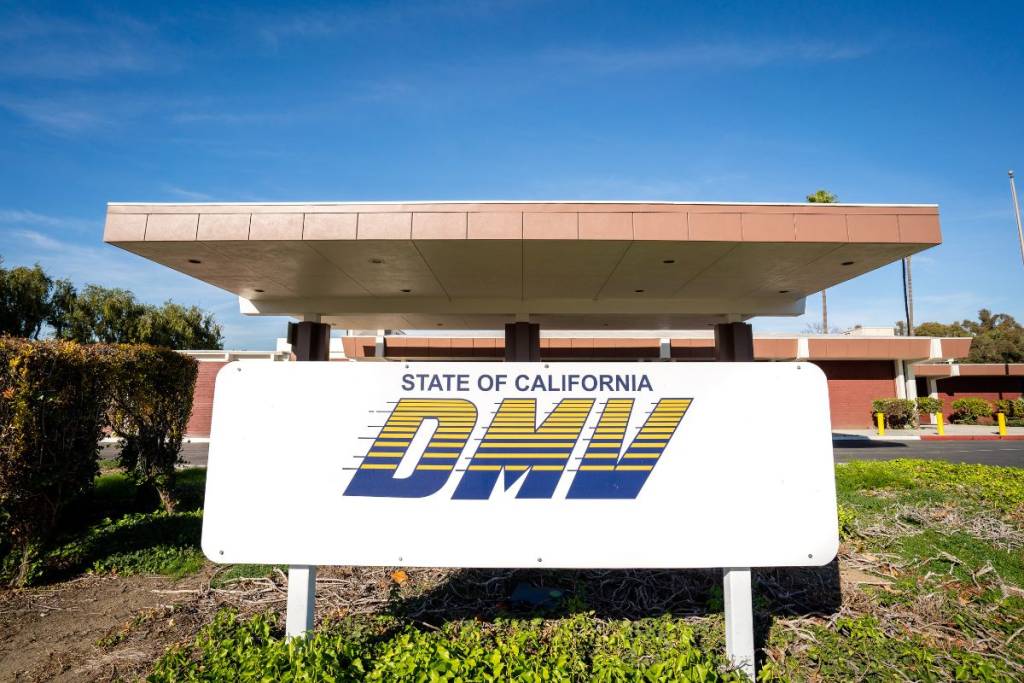
The California Department of Motor Vehicles approved updated regulations lifting its longtime ban on testing heavy-duty autonomous vehicles on public roads. The new rules create a phased permitting process similar to the state’s existing framework for robotaxis: companies must first test with a human safety driver behind the wheel before eventually qualifying for fully driverless testing, and later, commercial deployment.
Who’s testing now
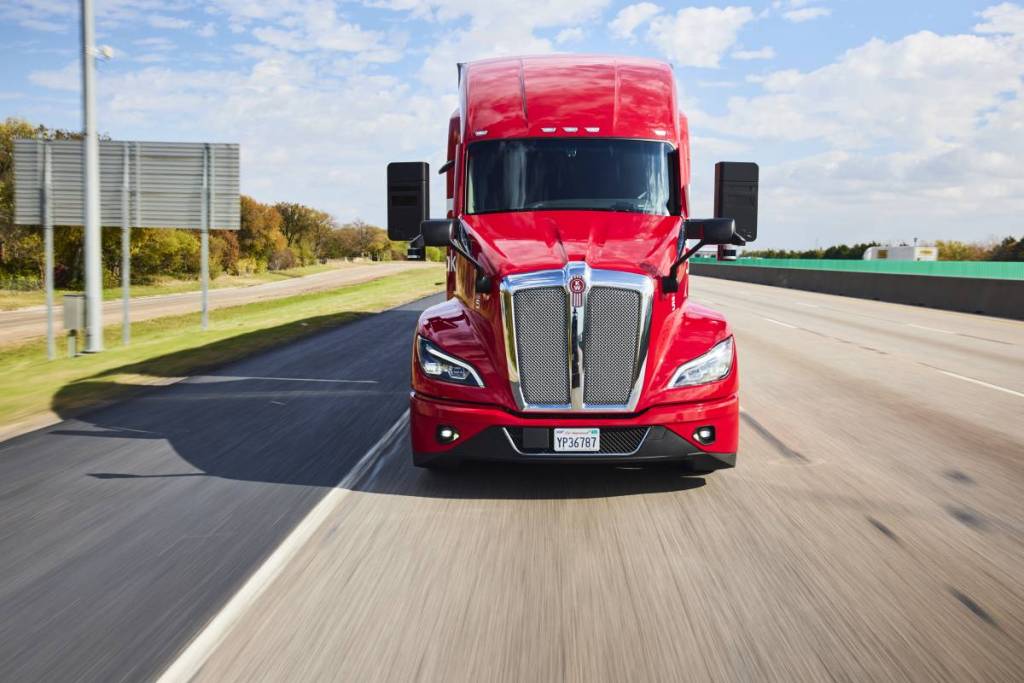
Earlier this month, the DMV issued its first permits under the new framework to Aurora Innovation and Kodiak AI, two autonomous trucking companies. Kodiak confirmed it received its permit on August 13 and has already begun running a small number of test trucks, primarily around its offices. Both companies are based in California, though they’d previously been forced to test and operate elsewhere due to the state’s ban.
What the permits actually allow
The current permits come with real limitations. A safety driver must remain behind the wheel at all times during this testing phase, and trucks are barred from operating on roads with posted speed limits of 25 mph or below, unless they’re taking a direct route between destinations. In practice, that means testing is concentrated on highways and freight corridors, not neighborhood streets.
However, not everyone is on board. Teamsters California, the union representing truck drivers, has firmly opposed the rule change from the start. For now, autonomous trucks remain in the early testing phase, with safety drivers on board and mileage requirements still being logged. Whether California moves toward fully driverless commercial trucking will likely depend on how the technology performs during this testing period.