
California is packed with history, and there are many places to visit and routes to take to step back in time, but none is older or more extensive than El Camino Real, also known as The King’s Highway. This historic road dates back to the era of the Spanish Empire, offering a direct link to the early foundations of the state as we know it today.
El Camino Real, or “The Royal Road”, was established in the late 1700s as a vital route connecting a chain of 21 Spanish missions, along with military forts and early settlements, starting with the first mission, Mission San Diego de Alcalá, in San Diego. From there, expansion moved north, spanning 600 miles and ending at Mission San Francisco Solano, Sonoma.
Today, much of the original route is followed by modern highways like U.S. Route 101 and parts of California State Route 1.
Exploring the 21 missions along El Camino Real
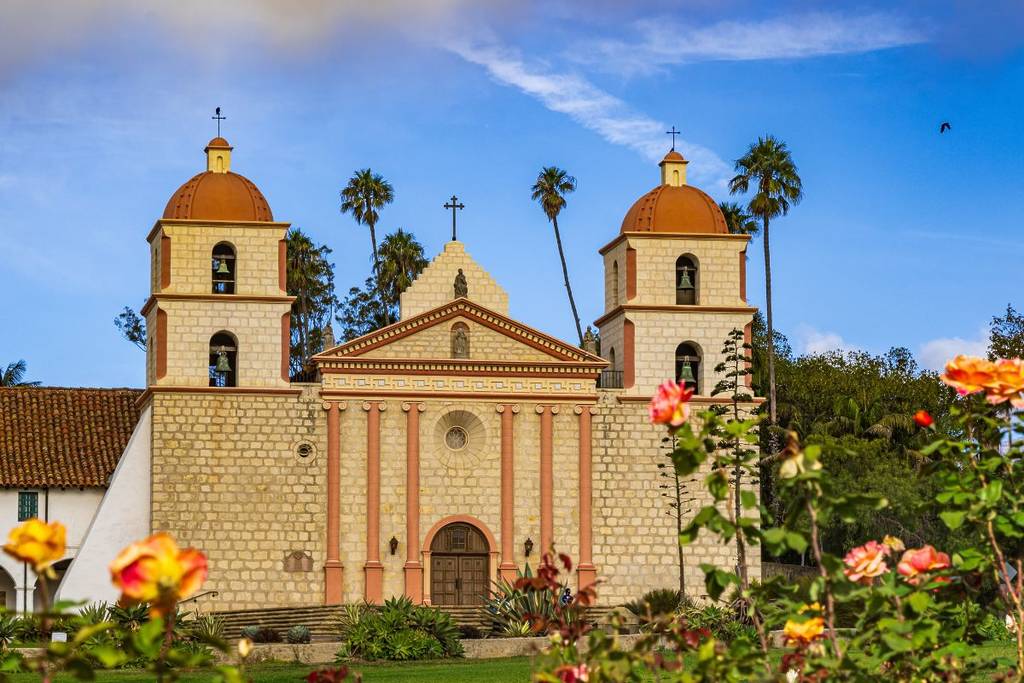
While all the stops on El Camino Real road are worth visiting, some really stand out on the itinerary, especially in SoCal. Mission San Juan Capistrano is one of the most popular, known for its historic ruins and the famous returning swallows. Mission Santa Barbara stands out for its iconic twin towers and ocean views, while Mission San Luis Rey impresses with its size and elegant design.
If you want the full picture, here’s the full list of missions you’ll find traveling from south to north.
The southern Gateway
- Mission San Diego de Alcalá (San Diego): This was the first mission and the starting point of El Camino Real. It remains an active parish with peaceful gardens. Its site marks the beginning of Spanish California.
- Mission San Luis Rey (Oceanside): It is the largest mission in California. Known as the “King of the Missions,” it features elegant architecture. Its grounds include expansive courtyards and gardens.
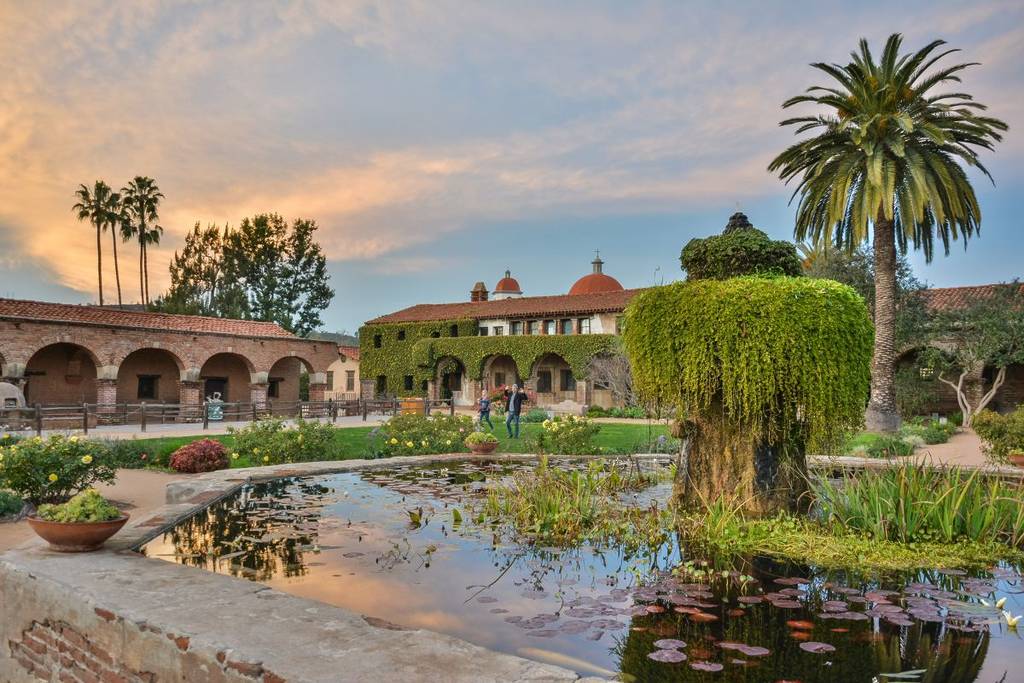
- Mission San Juan Capistrano (San Juan Capistrano): It is famous for the annual return of the swallows. The ruins of its Great Stone Church remain after an earthquake. It’s one of the most visited sites.
- Mission San Gabriel Arcángel (San Gabriel): It has a fortress-like design unlike any other mission. It was a major agricultural and economic center. Its history reflects early regional power.
The central coast and valleys
- Mission San Fernando Rey de España (Mission Hills): It features one of the largest adobe buildings in California. It once served travelers along the route. Today it is carefully restored.
- Mission San Buenaventura (Ventura): It was the last mission founded by Serra. Located near the coast, it includes a museum and gardens. It remains a central historic landmark.
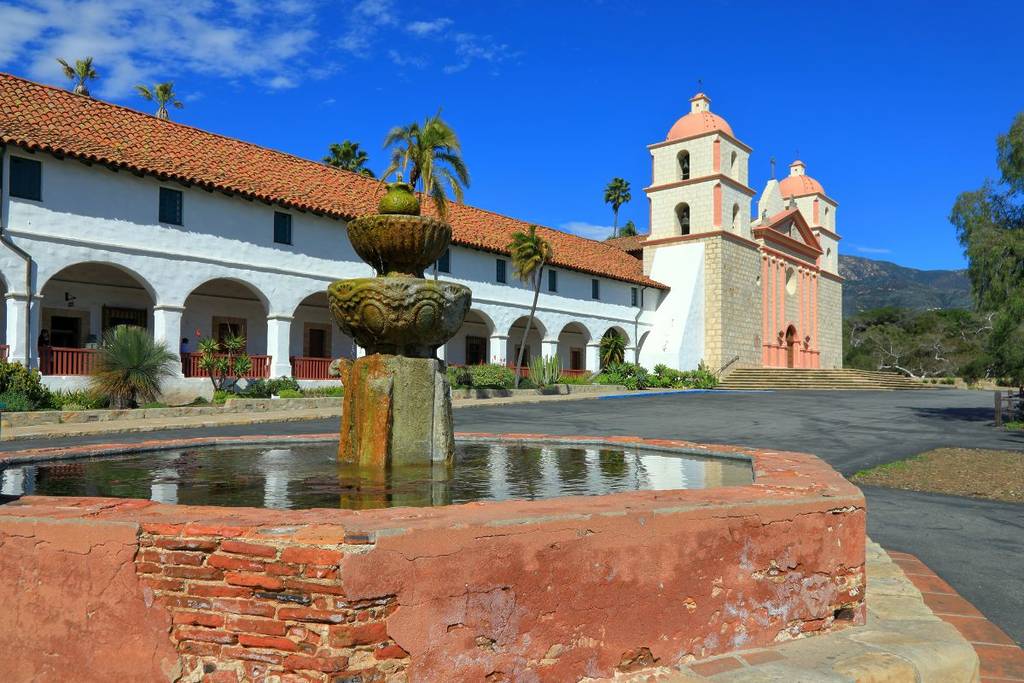
- Mission Santa Barbara (Santa Barbara): Known as the “Queen of the Missions,” its twin towers and hilltop views are iconic. It has remained active since its founding.
- Mission Santa Inés (Solvang): It survived multiple earthquakes. It features original decorative elements. Its peaceful setting reflects its long history.
- Mission La Purísima Concepción (Lompoc): One of the best-preserved mission complexes. Many buildings have been restored. Visitors can experience daily life reenactments.
- Mission San Luis Obispo de Tolosa (San Luis Obispo): It became an important agricultural center. Its design evolved after attacks. The mission still stands in the city center.
- Mission San Miguel Arcángel (San Miguel): Known for its well-preserved murals created by Indigenous artists. It offers a unique interior experience.
- Mission San Antonio de Padua (Jolon): It sits in a remote valley. It has been largely restored to its original form. The surrounding landscape remains untouched.
The Monterey Bay and northern frontier
- Mission Nuestra Señora de la Soledad (Soledad): Known for its isolation and harsh climate. Despite this, it thrived agriculturally. Parts of it have been restored.
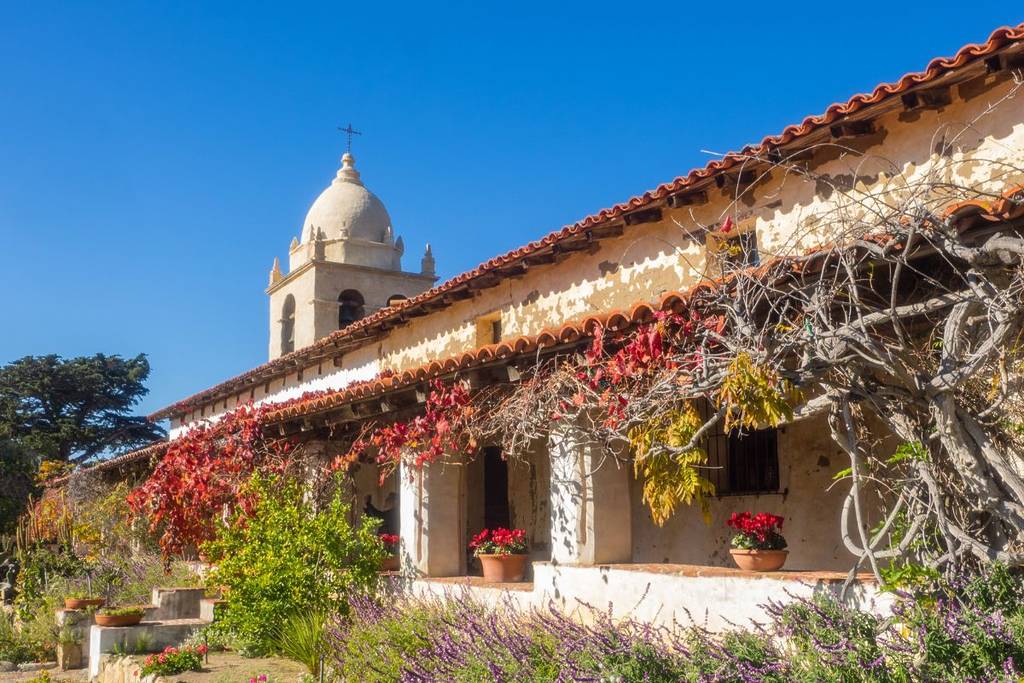
- Mission San Carlos Borromeo de Carmelo (Carmel-by-the-Sea): It served as Serra’s headquarters. It features striking Moorish-style architecture. It remains one of the most beautiful missions.
- Mission San Juan Bautista (San Juan Bautista): Located near the San Andreas Fault. It is the largest mission church in California. Music and culture played a key role here.
- Mission Santa Cruz (Santa Cruz): It faced ongoing challenges. Today, a replica chapel marks the site. Its story reflects the struggles of the mission era.
- Mission Santa Clara de Asís (Santa Clara): It later became part of a university campus. It has been rebuilt several times. Its gardens remain a highlight.
- Mission San José (Fremont): It controlled vast lands in the East Bay. The current structure is a reconstruction. It reflects the mission’s former wealth.
- Mission San Francisco de Asís (San Francisco): Also known as Mission Dolores. It is the oldest surviving building in San Francisco. Much of its original interior remains.
- Mission San Rafael Arcángel (San Rafael): Established as a hospital mission, it later became a full mission. The current structure is a reconstruction.
- Mission San Francisco Solano (Sonoma): This was the final mission in the chain. It is tied to early California independence events. It marks the northern end of El Camino Real.