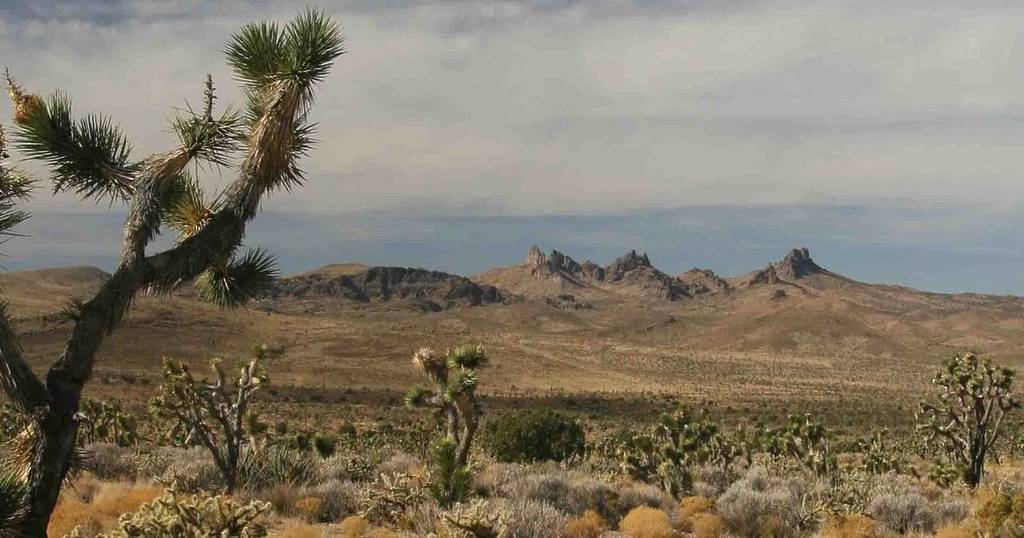
Some of the most remote nature areas in California often have the best payoff, and Castle Mountains National Monument in the eastern Mojave Desert is especially underrated.
This 21,000-acre natural landscape is best known for its striking rock spire formations, but it holds numerous other hidden gems, such as the historic ghost town of Hart and significant Native American archeological sites.
Keep reading for a quick guide to help you make the most of California’s Castle Mountains.
Castle Mountains geography and features
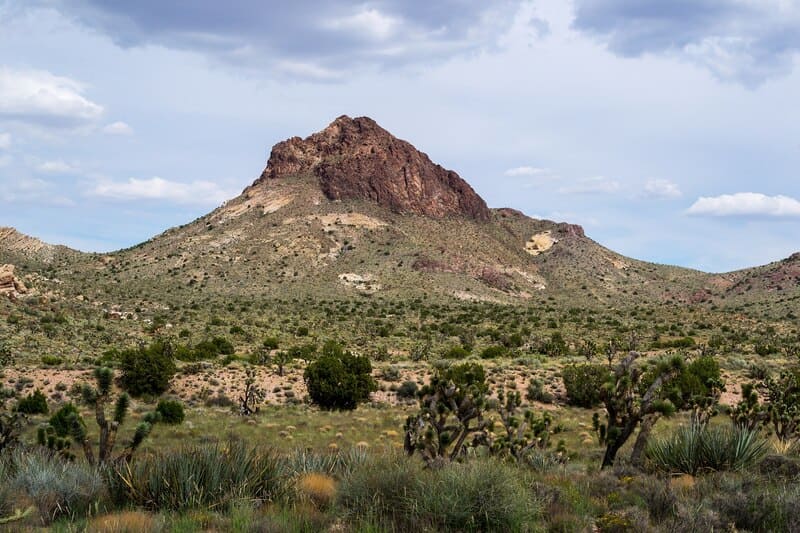
From its diverse desert ecosystems to ancient settlements, Castle Mountains National Park packs a lot into its acres. The rugged mountain range is surrounded on 3 sides by the Mojave Desert, making it one of the most remote national monuments in California. Millennia of geologic processes shaped the Castle Mountains’ unique sculptural forms, resulting in striking rock spires that resemble an ancient fortress.
The area has some of the finest Joshua tree forests and native grasslands in the world, with 28 different grass species and spectacular wildflower blooms in the spring. A variety of wildlife resides there, including desert bighorn sheep and golden eagles.
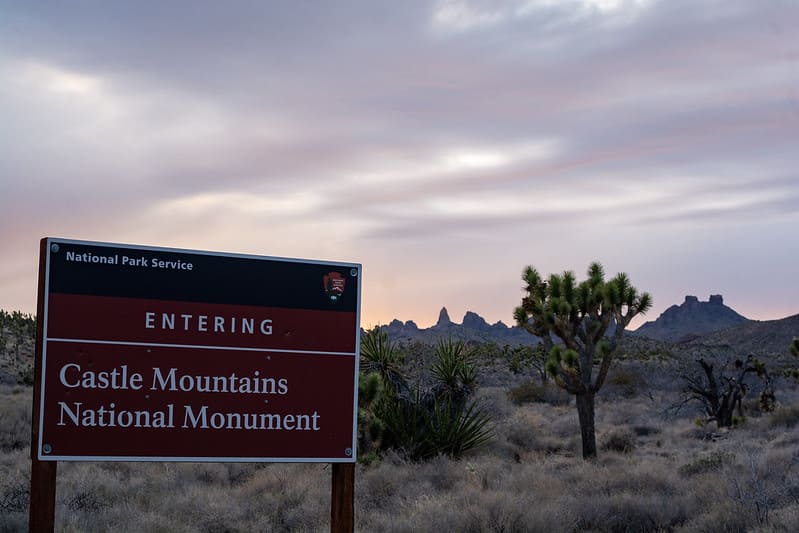
The Native Fort Mojave and Chemehuevi tribes called this area home for thousands of years, leaving behind petroglyphs and pictographs. The sites are generally unmarked to the public so as to better preserve them from damage and looting, but they are a major reason for the site’s protection as a National Monument.
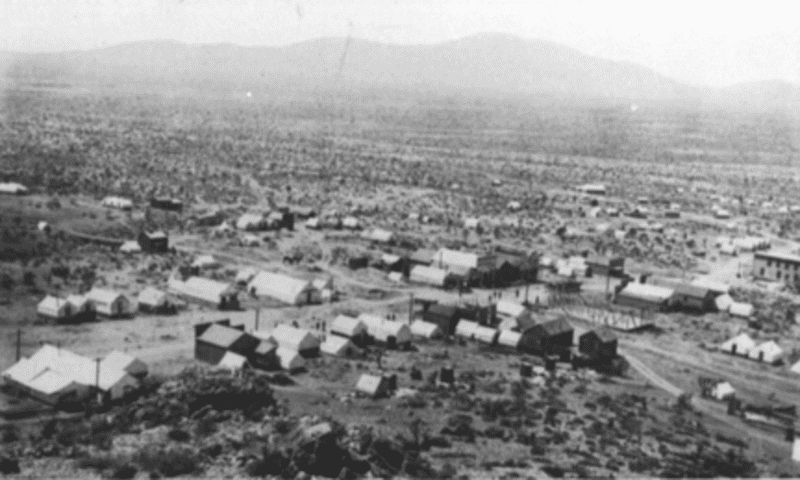
History buffs are often drawn to the remnants of the historic ghost town of Hart, a short-lived gold mining settlement that began in 1907 when James Hart first discovered gold there. The town grew to 1,500 people within a year, complete with hotels, saloons, and stores, before it was eventually abandoned in 1915 when the gold pockets ran out. Today, you can still see some mining remnants and building foundations at the base of Hart Peak.
Visiting Castle Mountains National Monument
While remote, Castle Mountains’ isolated landscape offers a sense of wild solitude, as long as you’re adventurous enough to make the trip. Many visitors opt to journey into the Castle Mountains in the spring or fall to take advantage of milder weather.
Visiting this monument in the Mojave Desert requires a high-clearance, four-wheel-drive vehicle, as the area can only be accessed via rough dirt roads. It’s essential to plan your visit carefully, because the National Monument has no facilities, potable water, or cell service.
🌐 Learn more: National Park Service