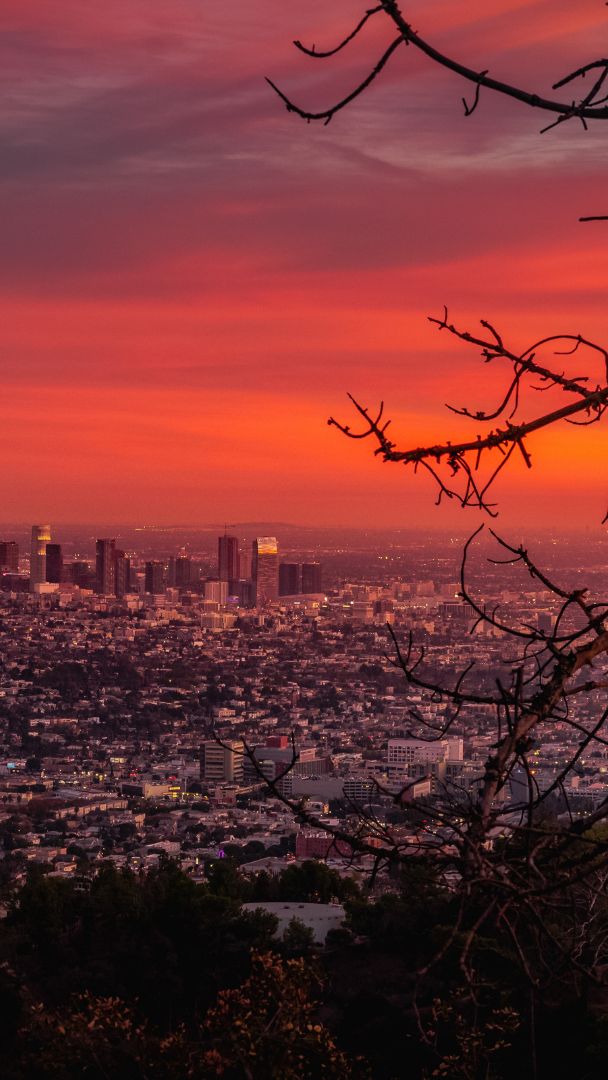

We know for a fact that the region is in the middle of a major wave of development, from transit projects and new housing to wildlife crossings, utilities and sprawling parks. All that construction means plenty of digging, excavation and crews spending long days reshaping what is beneath our feet.
And while the work itself is impressive enough, one particular group can now add “archaeological knowledge” to their résumé, after uncovering a fossilized animal that predates humans by tens of millions of years.
A 40 million-year-old fossil buried 12 feet under
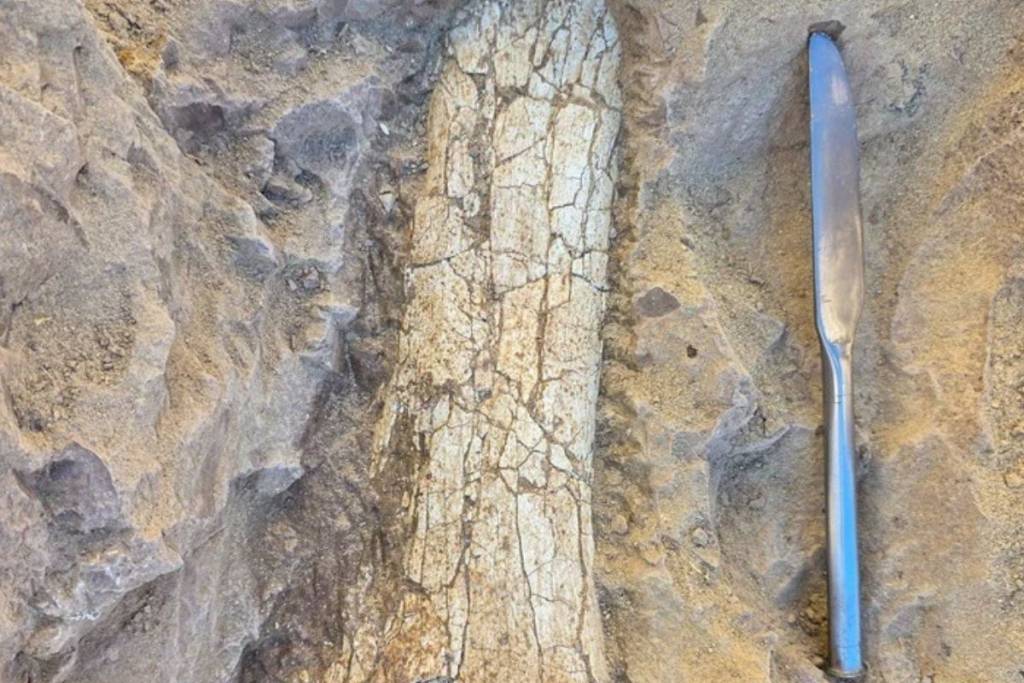
The discovery happened earlier this month during excavation for a City of Oceanside infrastructure project, about 83 miles south of L.A.
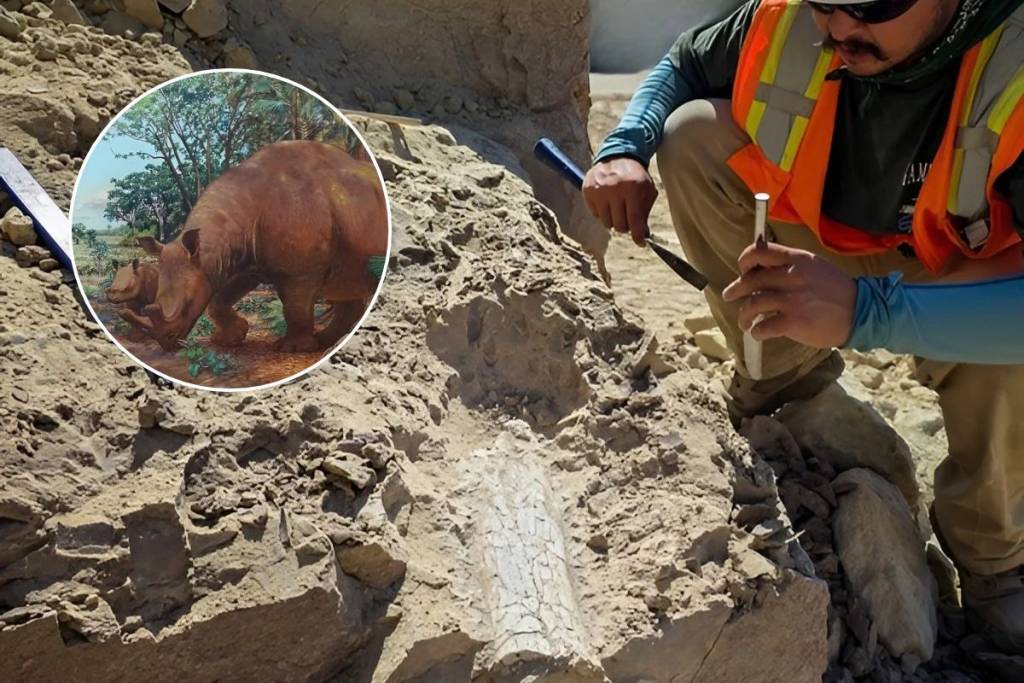
A group of construction workers accidentally uncovered the fossilized remains approximately 12 feet underground, finding several limb bones, ribs, and numerous additional bones and fragments.
The bones came from the Santiago Formation, a thick layer of sedimentary rock found across parts of northwestern San Diego County. Scientists estimate these newly uncovered bones are 40 to 45 million years old, placing them in the Eocene Epoch, a time when western North America supported warm, forested environments populated by large mammals including brontotheres, NPS explains.
A “thunder beast” or a “swamp rhino”?
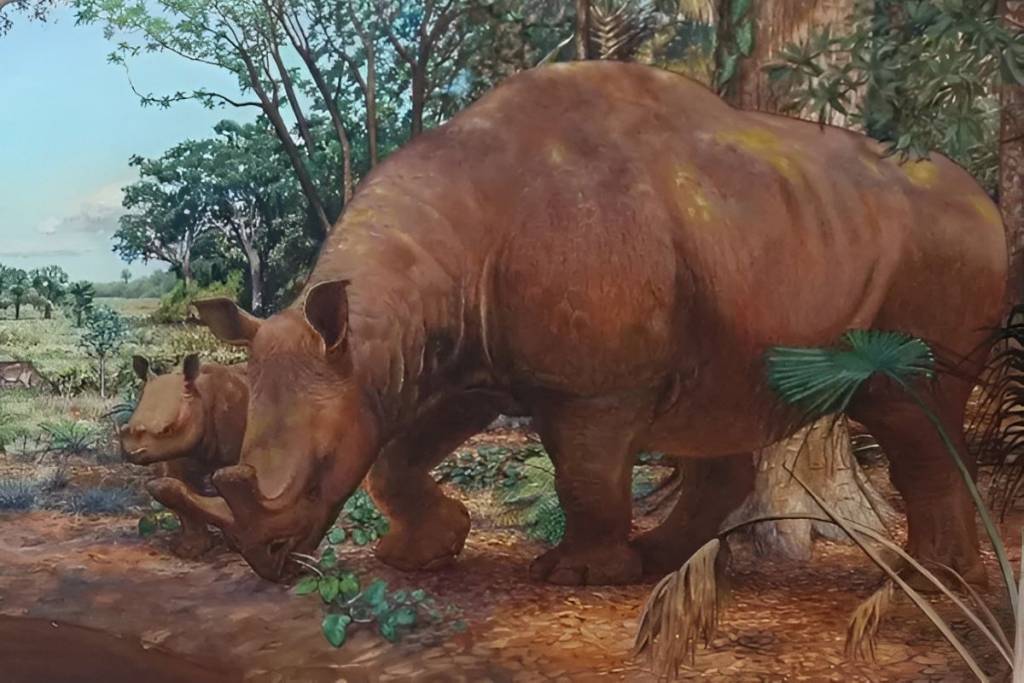
The exact animal is still a mystery, but based on the size and shape of the bones, paleontologists believe they could belong to either a brontothere, sometimes called a “thunder beast,” or an amynodon, historically known as a “swamp rhino.”
Brontotheres were enormous, extinct odd-toed mammals related to modern rhinos, with some species sporting prominent bony horns. Amynodons were another group of extinct rhino relatives, with squat, barrel-shaped bodies, short legs and broad, hornless skulls.
What happens next with the discovery
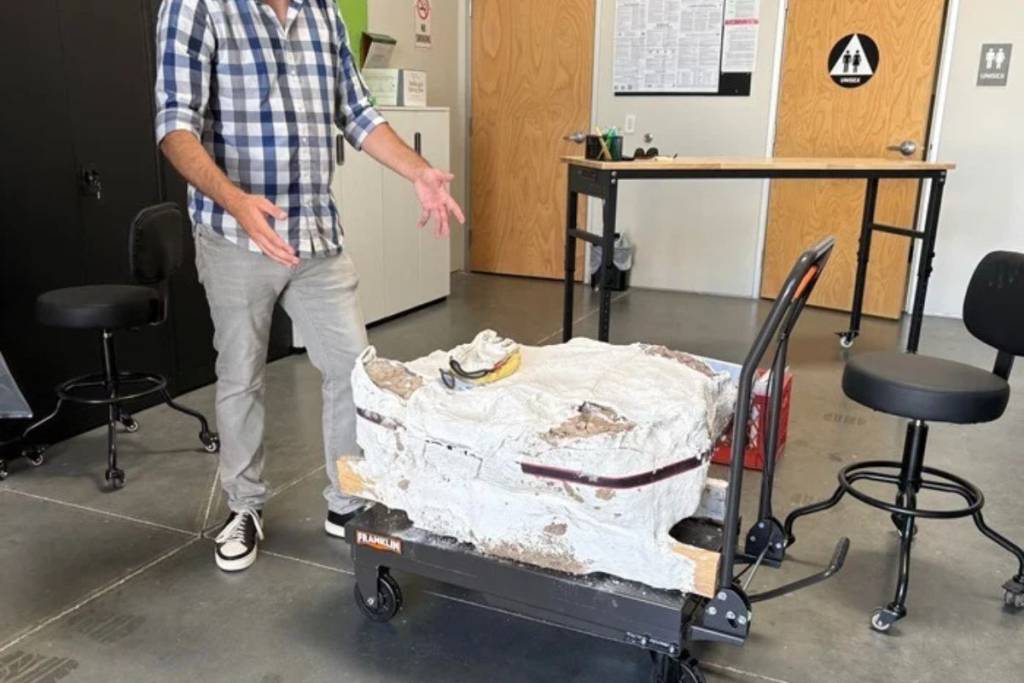
The remains were found during routine paleontological monitoring and took seven days to uncover from several tons of hardened rock. The bones were then encased in plaster and sent to an off-site lab.
There, they’ll be carefully cleaned and stabilized before scientists examine them. The work could reveal which prehistoric animal they belonged to, with the fossils eventually expected to join a museum collection.