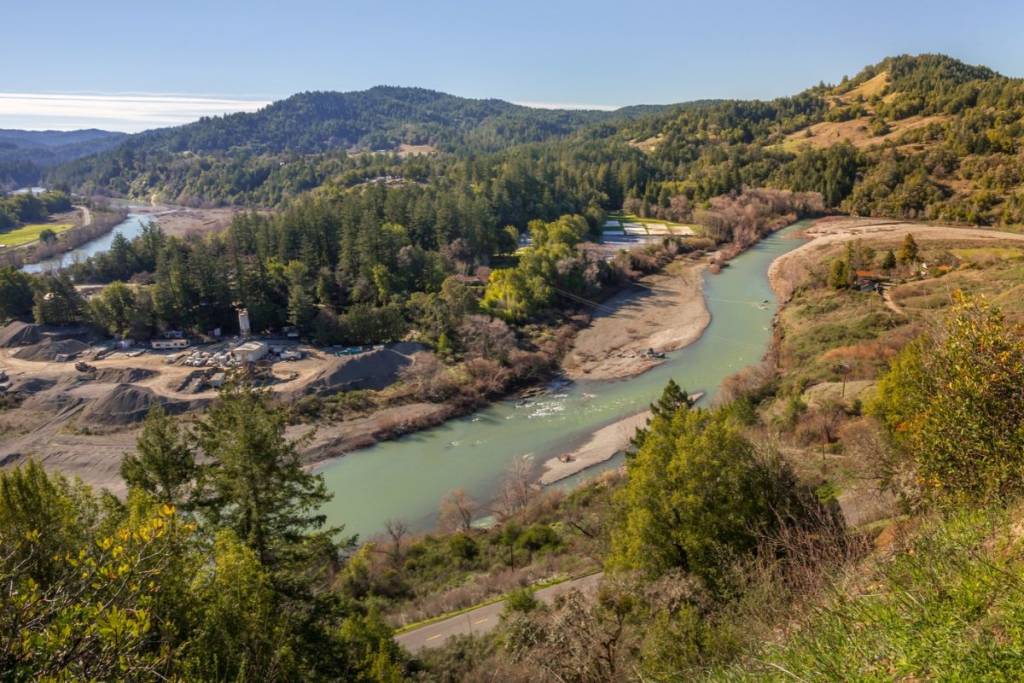

California is packed with sprawling landscapes, from towering redwood forests and rugged mountain ranges to long stretches of wild coastline. Among them is the nearly 200-mile Eel River, in Northern California.
Now (and after more than five years of debate), tribes, farmers, environmental groups, local agencies and PG&E have finally found a path to let the river reclaim its natural flow. The agreement centers on removing two aging dams that have blocked fish from reaching hundreds of miles of upstream habitat. If the plan moves forward, the Eel would become California’s longest free-flowing river.
A five-year agreement could bring down the dams in the 2030s
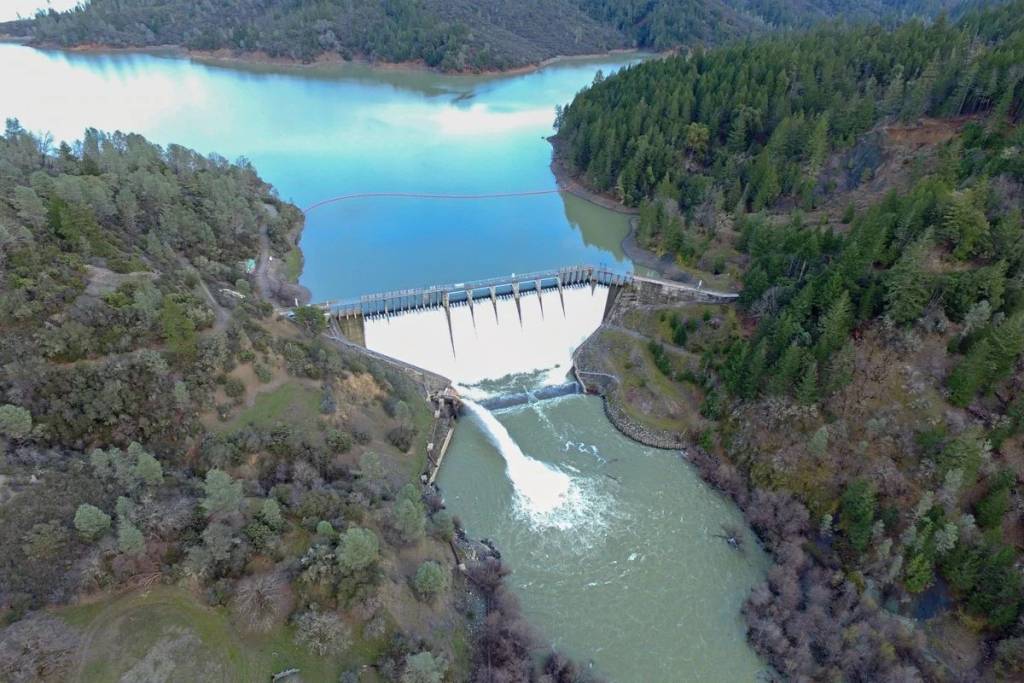
The agreement, known as the Two-Basin Solution, is the result of more than five years of negotiations. The challenge was finding a way to restore the Eel River while continuing to provide water to farms and communities in the neighboring Russian River basin, as reported by KQED.
Under the plan, Scott Dam and Cape Horn Dam would be removed, effectively ending the Potter Valley Project’s century-old system of hydropower generation and water diversion. A new diversion facility would still send a limited amount of Eel River water to the Russian River, while removing the dams would reopen hundreds of miles of upstream habitat for salmon, steelhead and other native fish.
But it won’t happen just yet. PG&E submitted its application to decommission the Potter Valley Project to the Federal Energy Regulatory Commission in 2025, and the review might take several years. If the project clears the remaining hurdles, dam removal is expected to begin in the 2030s.
A river dammed for over a century
The Eel River stretches nearly 196 miles from the Mendocino National Forest to Humboldt Bay, flowing through redwood forests, farmland and remote wilderness before reaching the Pacific. Its watershed is home to Chinook and coho salmon, steelhead and Pacific lamprey.
The two dams were built in the early 1900s as part of the Potter Valley Project. But the aging system became expensive to maintain and generated enough electricity for only about 750 homes.
For the Round Valley Indian Tribes, the dams also cut off access to salmon and other traditional food sources. Their removal would reopen fish habitat and help restore a longstanding cultural connection to the river.