Stargazers, mark your calendars! July brings a celestial showcase to Los Angeles, offering stargazers a spectacular lineup of astronomical events to enjoy.
From dazzling planet alignments and close encounters with the moon to meteor showers and even a rare opportunity to glimpse the elusive dwarf planet Pluto, the night sky over Los Angeles will be putting on an unforgettable show all month long.
Whether you’re a seasoned astronomer with a telescope or a casual sky watcher with a pair of binoculars, this month offers something for everyone. (But make sure to keep your eyes peeled for UFOs. California has the most UFO sightings in the country!)
Prepare for your astronomical adventure by checking out our complete guide to stargazing in Southern California for top tips, expert insights, and the best viewing spots.
Read on for a detailed guide to the top astronomical events lighting up the sky this July:
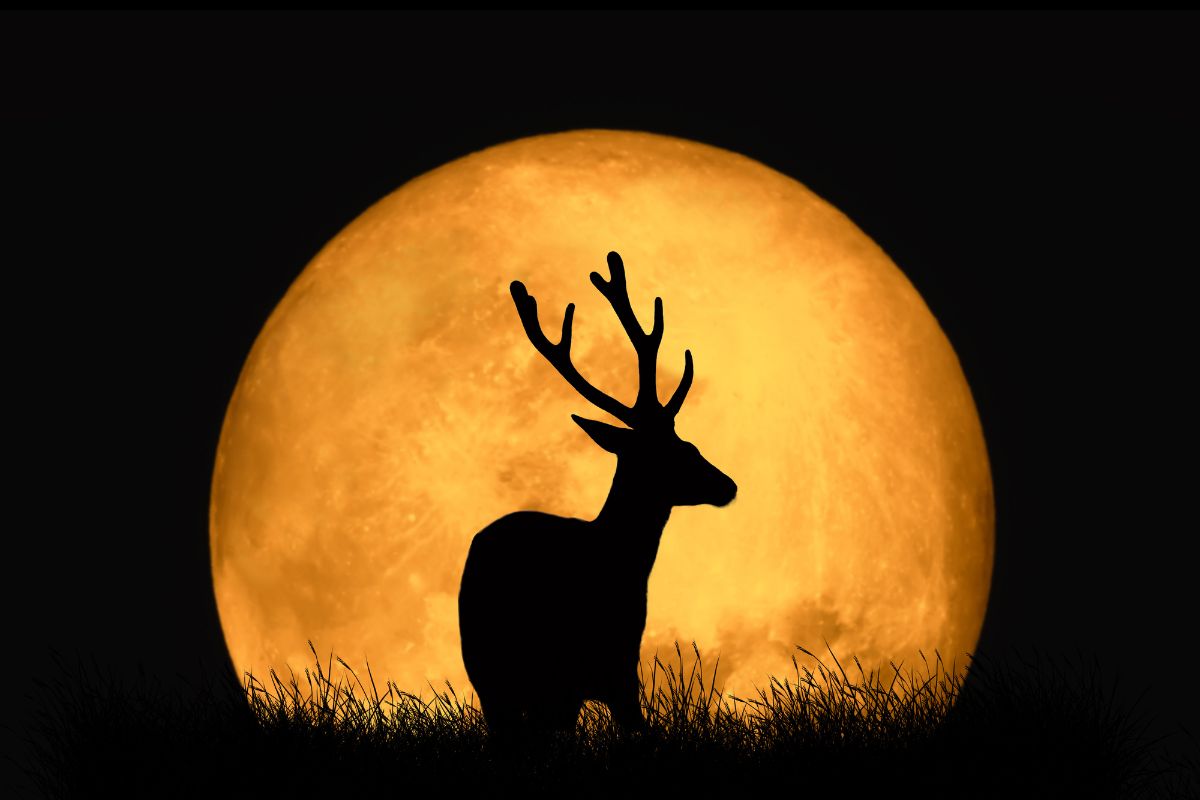
July 10: Full “Buck” Moon
July offers a special celestial highlight – the Buck Moon. More than just a full moon, it carries a rich story rooted in nature and North American traditions. The name “Buck Moon” comes from the seasonal cycle of male deer, known as bucks, who begin growing new antlers around this time of year, marking midsummer in the natural world. Learn about this special full moon here!
July 16: Moon, Saturn, and Neptune align
In the early morning hours of July 16, sky watchers will be treated to a striking celestial trio. The waning gibbous moon will pass near Saturn and Neptune, all aligned within the constellation Pisces. Saturn, the brighter of the two planets, will be visible to the naked eye, while Neptune, which is much dimmer, will require a telescope to spot. Saturn will have just begun its retrograde motion three days earlier, giving the appearance of moving westward across the sky.
July 20: Crescent moon near the Pleiades star cluster
Just before sunrise on July 20, the crescent moon will make a close approach to the Pleiades, a bright star cluster also known as the Seven Sisters or Messier 45 (M45). While the cluster contains over a thousand young, hot stars, most observers can typically see only six with the naked eye.
Although the Pleiades are most prominent from November through March, they can still be spotted in the early morning hours of late July. Their close pairing with the moon creates a striking visual, especially when viewed through binoculars, which beautifully captures the delicate crescent alongside the cluster’s shimmering stars.
July 25: Pluto at its brightest
On July 25, Pluto will lie directly opposite the Sun from Earth’s perspective. At the same time, it will also reach perigee, its closest point to Earth in its orbit. Despite still being nearly three billion miles away, Pluto will appear slightly brighter than usual, offering the best opportunity of the year to observe the distant dwarf planet.
However, even at its brightest, Pluto remains extremely faint. Spotting it will require a moderately powerful telescope and a detailed star chart. For those up to the challenge, look for it in the constellation Sagittarius around midnight local time.
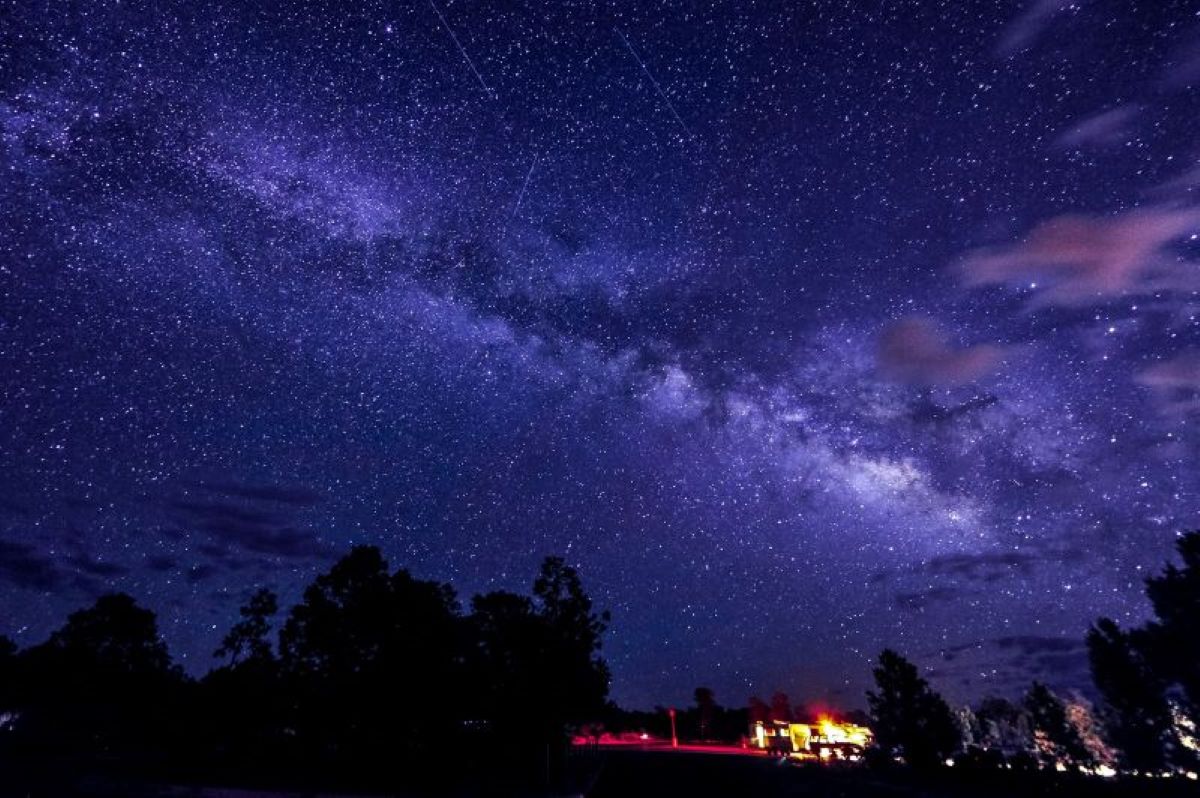
July 29: Moon and Mars conjunction
On the evening of July 29, the waxing crescent moon will make a close approach to Mars in the constellation Taurus. While this conjunction offers a beautiful pairing, visibility may be limited in some areas, as both objects will appear low on the horizon and could be affected by lingering sunlight.
If conditions are clear, keep an eye out shortly after sunset for the moon’s slender crescent and subtle, reddish glow from Mars. Their brief appearance makes this a rewarding target for early evening sky watchers.
July 29–30: Southern delta Aquariids meteor shower peak
The Southern Delta Aquariids meteor shower is active from July 18 to August 12. However, it will reach its peak overnight from July 29 to 30. This year, the waning crescent moon will set early during the peak, leaving skies dark for optimal meteor viewing.
The Southern Delta Aquariids aren’t the brightest meteor shower. Sky watchers will probably catch only a handful of shooting stars each hour, and they can be pretty faint. If you’re looking for a bigger, flashier meteor show, wait until August when the Delta Aquariids mix with the much brighter Perseids. You can get more information here on the Southern delta Aquariids meteor shower peak.