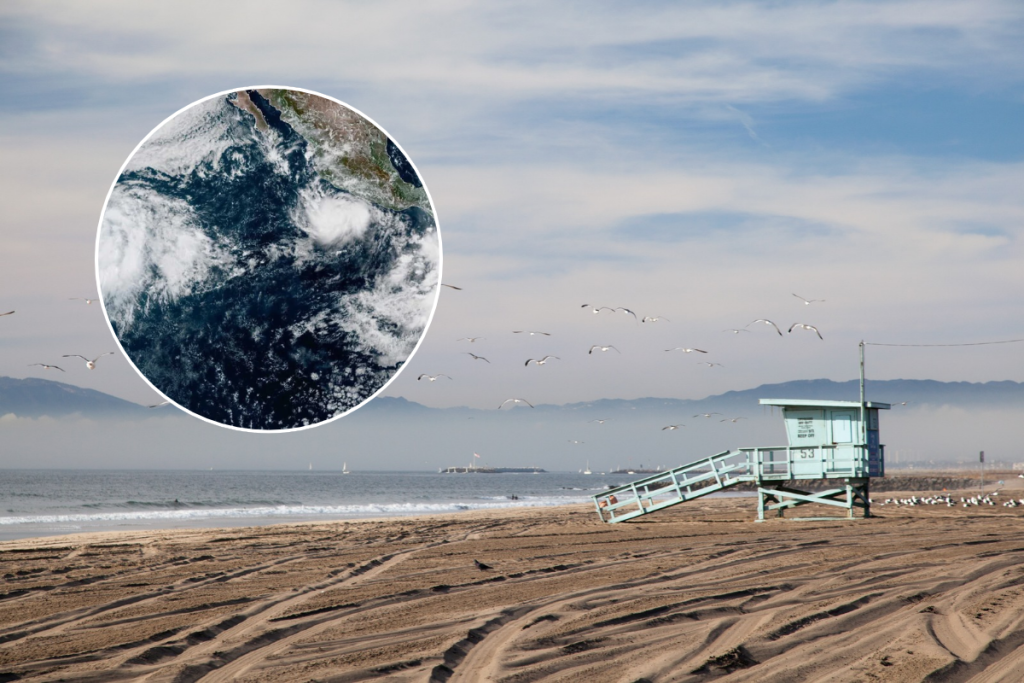

A coastal flood advisory and high surf advisory are now in effect for Los Angeles County and Ventura County beaches, including the Malibu Coast and Catalina Island, as swells generated by Hurricane Polo reach Southern California.
According to the NOAA, Hurricane Polo is expected to send the more impactful of two southerly swells toward the region. Its south-southeast swell, arriving from roughly 160 to 170 degrees, is forecast to have its greatest effects on Monday and Tuesday. A separate swell from Tropical Storm Odalys is also affecting coastal waters through the middle of the week.
The flood and high-surf advisories began at 5 a.m. Monday and remain in place until 5 p.m. Tuesday for the L.A. and Ventura County coast. The National Weather Service maintains a separate beach hazards statement for the Santa Barbara South Coast through Wednesday afternoon.
Why Polo is causing flooding concerns
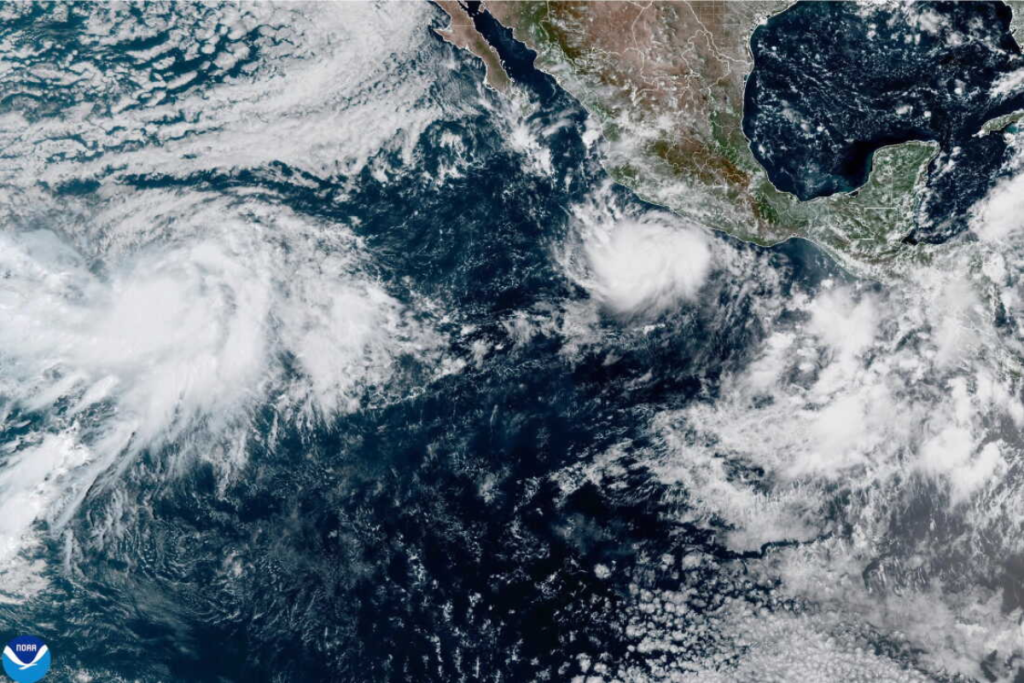
California is not expecting a direct hurricane strike. Instead, Polo is generating long-period ocean swells that can travel hundreds of miles from the eastern Pacific and produce large breaking waves once they reach the coastline.
The weather service forecasts surf of roughly 4 to 7 feet along Los Angeles and Ventura County beaches. South-facing parts of the Santa Barbara coast are expected to see 3- to 5-foot surf. Forecasters say these waves are slightly smaller than the swell linked to Hurricane Marie earlier this month. But, as the National Weather Service notes, some beaches remain more vulnerable because of erosion from that earlier event.
Areas facing the greatest risk
The National Weather Service identifies Avalon, Long Beach and Malibu as areas of greatest concern. Avalon may be particularly exposed because Polo’s swell is arriving from a more southeasterly direction; Santa Barbara Harbor also faces an elevated, though lower, risk.
The likely impacts include shallow seawater flooding over low-lying beach walkways, parking lots and roads, along with potentially significant beach erosion. Very localized structural damage remains possible in the most vulnerable places, the weather service said. West-facing beaches may see minor tidal overflow as tides peak.
Beach visitors should avoid entering rough water and stay clear of rocks, jetties and other shoreline structures, where waves can sweep people into the surf. Drivers should never take a vehicle through water covering a coastal road or parking lot. Conditions should improve after Tuesday for L.A. and Ventura county beaches, though the National Weather Service said it may issue another beach hazards statement for Tuesday afternoon into Wednesday because unusually high tides will continue.