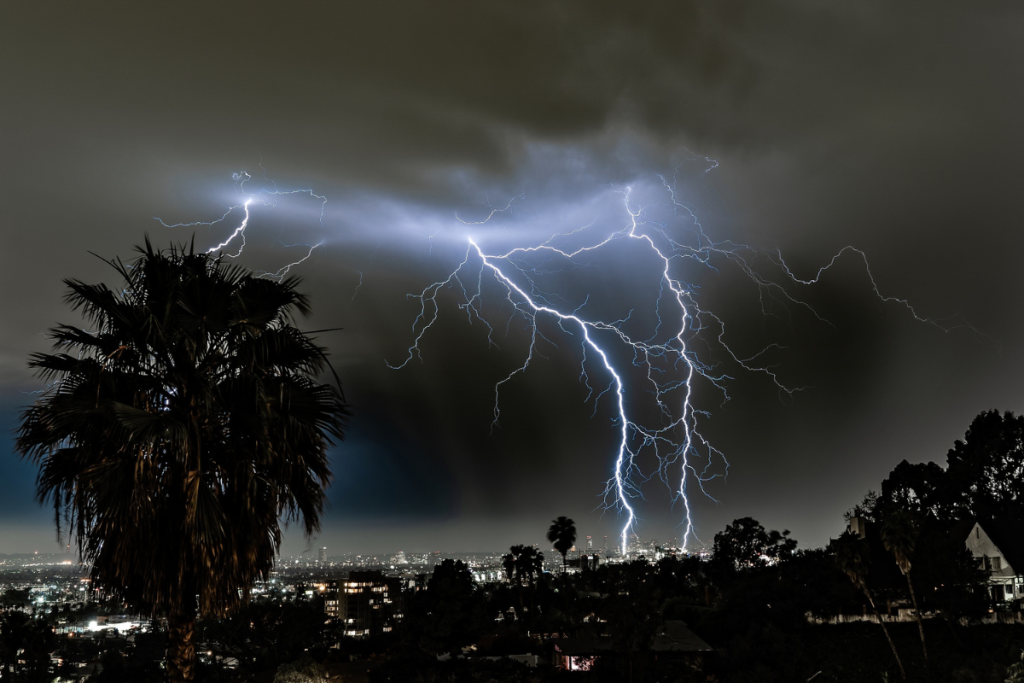

California has declared a statewide state of emergency as an intensifying El Niño raises the prospect of a dangerous winter marked by heavy rain, flooding, landslides, high surf and coastal erosion.
Gov. Gavin Newsom issued the proclamation this morning, directing state agencies to prepare vulnerable communities, roads and critical infrastructure before severe weather arrives. The action streamlines procurement and other state processes, allowing officials to position supplies and equipment ahead of anticipated storm impacts.
Forecasters expect the emerging El Niño to strengthen through fall and winter. Federal outlooks cited by the governor’s office put the likelihood of a very strong El Niño above 90%, with a 75% chance it could reach historic strength.
State agencies prepare for storms

The emergency proclamation orders California agencies to lead flood-risk reduction efforts and stage flood-fighting equipment, including sandbags and pumps. Caltrans will position traffic-control, road-closure and snow-removal equipment along highways considered most vulnerable to storm damage. The California National Guard is also being readied to support flood response, search-and-rescue operations, engineering work and logistics missions, if needed.
Environmental and natural-resources agencies will work with local governments on flood, landslide and debris-flow preparation. The proclamation authorizes efforts to speed permitting and remove administrative obstacles for critical preparedness projects.
“We are not waiting for this season’s storms to be on our doorstep,” Cal OES Director Caroline Thomas Jacobs said. “By planning early and coordinating resources ahead of El Niño, we are working to ensure communities and first responders have the personnel, equipment, and support they need to prepare for severe weather.” The governor’s office said the state will also expand accessible, multilingual public messaging about severe weather, flooding, power outages, evacuation readiness and emergency alerts.
Why officials are concerned
El Niño is a naturally occurring climate pattern in which the tropical eastern Pacific becomes warmer than usual, altering weather patterns worldwide. In California, it can shift storm tracks and increase the likelihood of repeated heavy-rain events, powerful winds, mountain snow, flooding and coastal hazards.
The potential impacts extend beyond rain. Winter storms arriving during high tides can compound the risk of high surf and coastal flooding. Heavy precipitation can trigger landslides, debris flows and mudslides, particularly in areas burned by recent wildfires. Communities may also face road closures, power outages, damaged homes and businesses, and neighborhoods cut off by floodwaters or rockslides.
Climate change can intensify the pattern, according to the governor’s office. It cited a recent Science study finding that El Niño events are now more than 36% stronger than they were before the industrial era, with the trend accelerating over the past four decades. California has already experienced coastal flooding associated with the current event, the release said, as Kelvin waves raised sea levels and warm Pacific waters helped fuel offshore hurricanes and damaging surf.
California Natural Resources Secretary Wade Crowfoot said the emergency declaration will help state and local agencies accelerate their preparations. “Through the Governor’s state of emergency, we’re cutting red tape and fast-tracking the flood-protection and broader preparedness work communities need now”, Crowfoot said. “We’re mobilizing with our partners to safeguard people, infrastructure, and natural resources before the worst storms arrive”.
What residents can do now
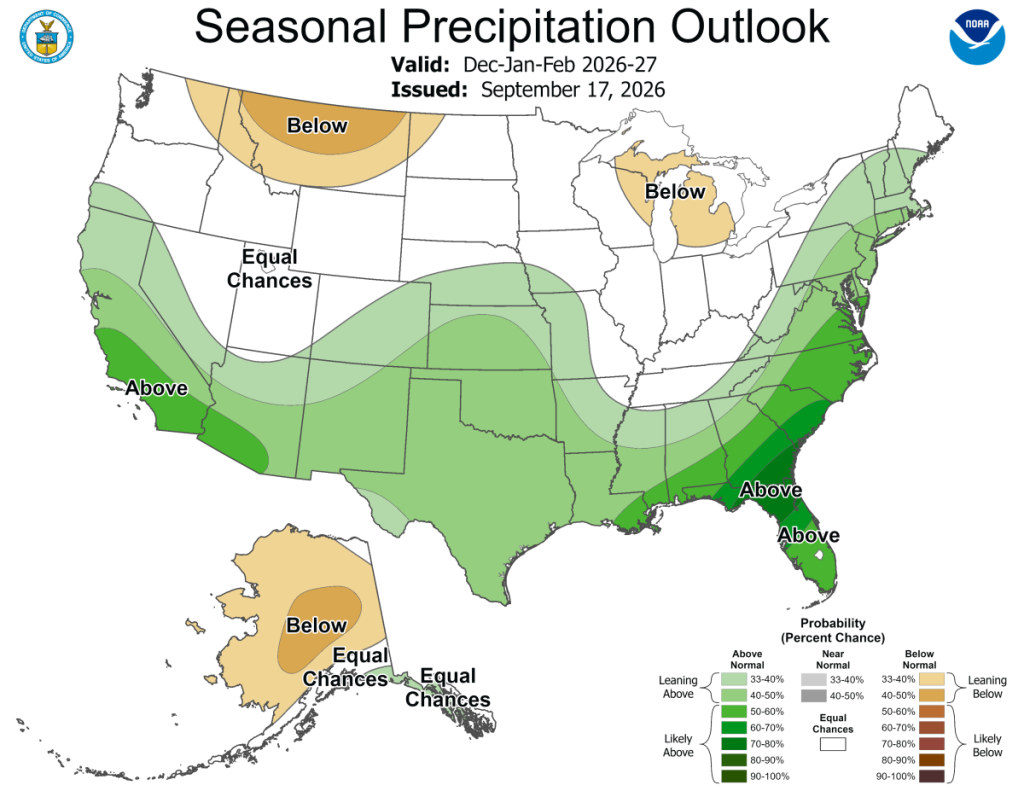
The declaration does not mean a specific storm is imminent, and El Niño does not guarantee a wet winter in every part of California. But state officials are urging residents to prepare early because storm conditions can change quickly.
Residents should:
- Sign up for emergency alerts through their city or county and follow trusted local weather and public-safety updates.
- Check flood risk around homes, workplaces and regular travel routes, especially below recently burned hillsides where debris flows can develop during heavy rain.
- Clear drains and gutters to reduce the chance of water pooling around homes.
- Make an evacuation plan, including arrangements for medications, pets and other animals, and keep an emergency kit available.
- Never drive through floodwater, which may be deeper or faster-moving than it appears and can conceal washed-out or damaged roads.