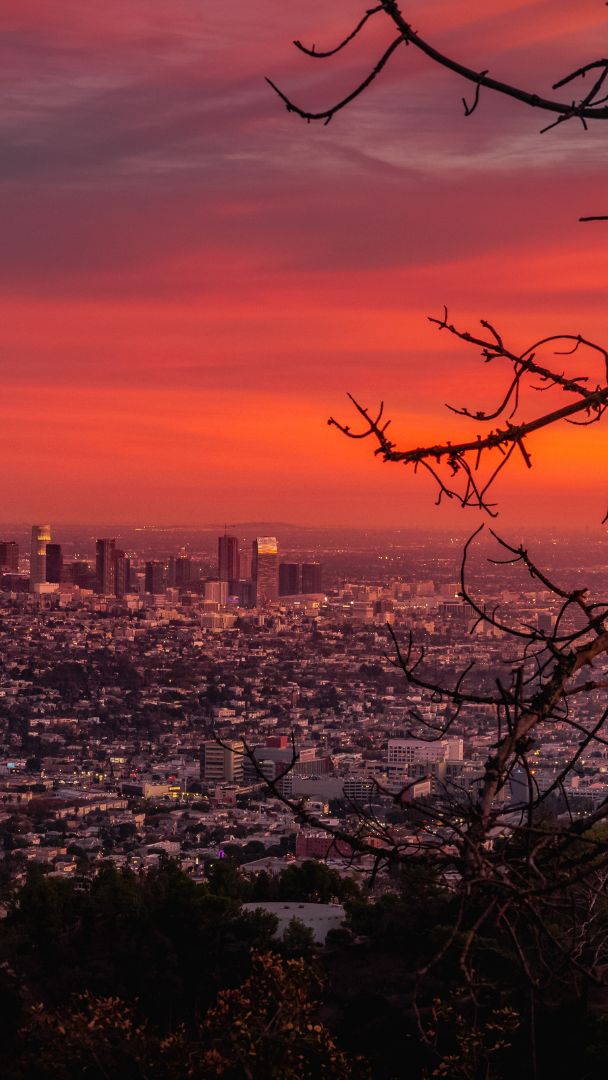
California is no stranger to epic and diverse scenery, from underwater kelp forests to idyllic lakes, alpine landscapes, and sprawling beaches. But beyond all that, the Golden State is also famous for its arid stretches perfect for stargazing, and for one particular spot that could be described as our own version of the Sahara.
Spanning 45 square miles, the only thing missing seems to be camels marching in a line carrying the Hollywood icon Lawrence of Arabia. Yet this stunning landscape is just a few hours from the city, located in the Mojave National Preserve.
A geological wonder
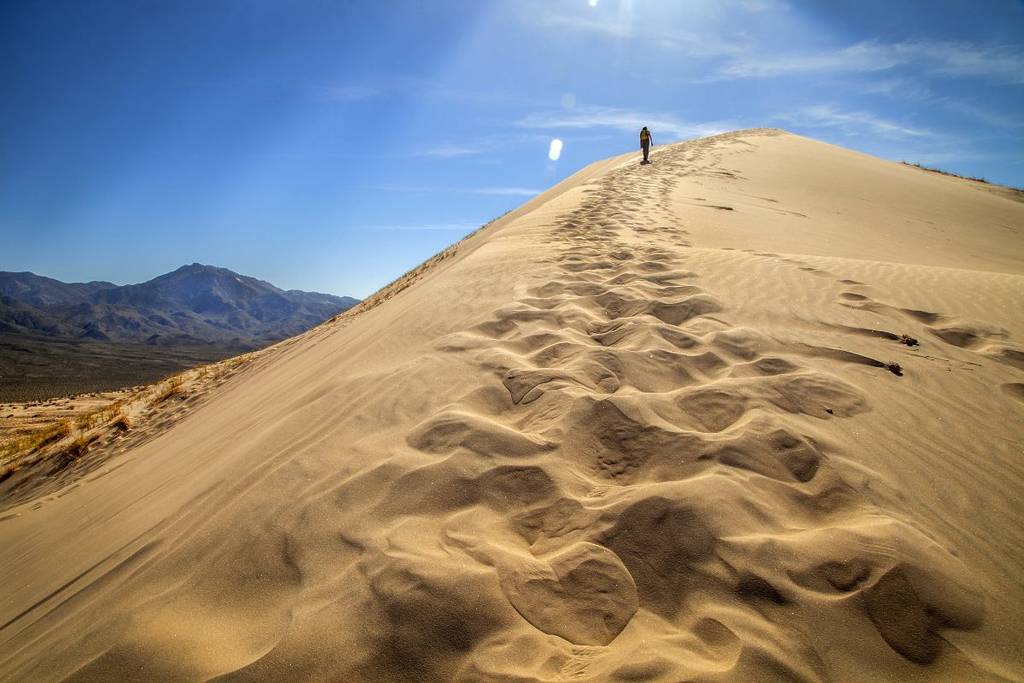
The Kelso Dunes are the largest field of migrating, wind-blown sand in the Mojave, with peaks reaching up to 650 feet, offering a stunning natural backdrop. The sand, mostly light-colored quartz and feldspar, likely came from the granitic rocks of the San Bernardino Mountains to the southwest.
Like many dunes across North America, they formed during the Pleistocene, as ancient lakebeds dried out and winds carried the sand into vast mounds. Most of the Kelso Dunes as we see them today accumulated between 2,400 and 9,000 years ago, as the National Park Service explains.
Why do the dunes “sing”?
One of Kelso’s most fascinating features is its “singing” or “booming” sand. When dry sand grains slide down the steep slopes, they produce a low, resonant rumble that can be both heard and felt. The sound is most powerful during hot, dry conditions, creating an almost otherworldly sound, similar to the lowest notes in a pipe organ.
This phenomenon occurs when sand “avalanches”, triggered by wind movement or human action, causing vibrations that resonate through the grains, according to National Geographic. Similar “singing” dunes can be found in other parts of the world, including the Sahara Desert in Africa, of course, or the Khongor Sand Dunes in Mongolia.
Exploring the Kelso dunes
The best time to explore the dunes is during fall, winter, and early spring. That way, you can avoid the desert’s dangerous and extreme summer heat. A hike to the tallest dunes covers roughly 3 miles round-trip, making it moderately challenging.
When visiting, be sure to bring plenty of water, sunscreen, and sturdy shoes, and remember there are no facilities on the dunes themselves. Restrooms and water are usually available at the nearby Kelso Depot Visitor Center, but it will be closed until 2026 for maintenance, so it’s advisable to plan accordingly.