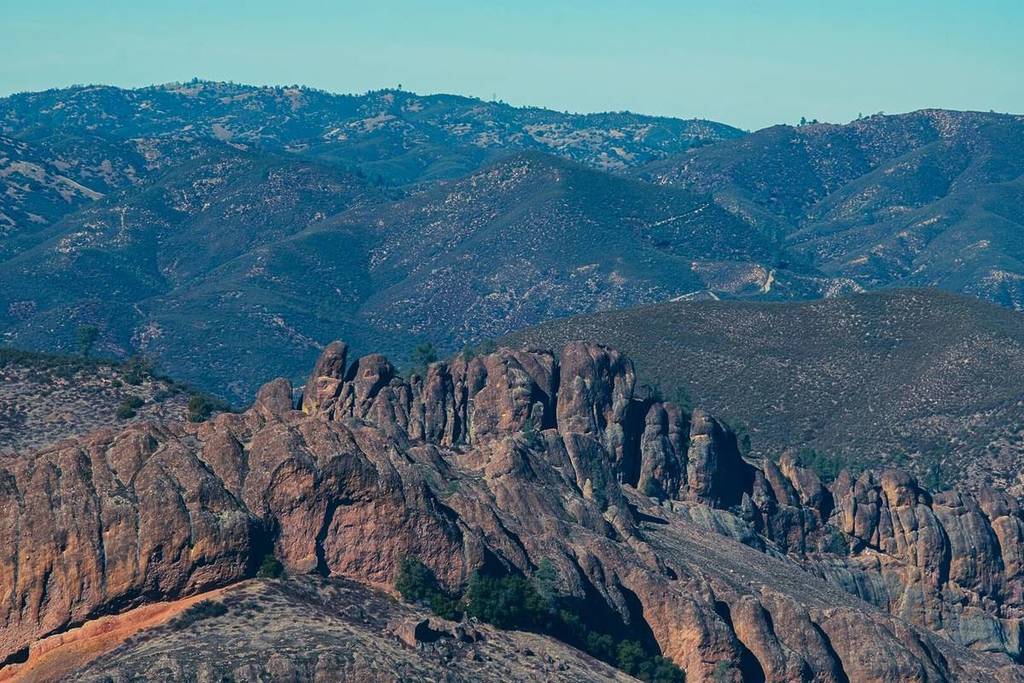
California is home to countless breathtaking natural wonders, but Pinnacles National Park stands out as one of its hidden gems. Shaped by ancient volcanic activity, this rugged landscape features dramatic cliffs, unique rock formations, and mysterious caves, all connected by more than 30 miles of hiking trails.
Despite its beauty, Pinnacles remains one of the state’s smaller and lesser-known national parks, drawing about 354,000 visitors in 2024—just slightly more than Channel Islands National Park. For comparison, Yosemite attracts over 4 million people annually, making Pinnacles a peaceful alternative when the major parks are crowded.
Read on to discover how to get the most out of your visit to Pinnacles National Park.
Geology of the Pinnacles
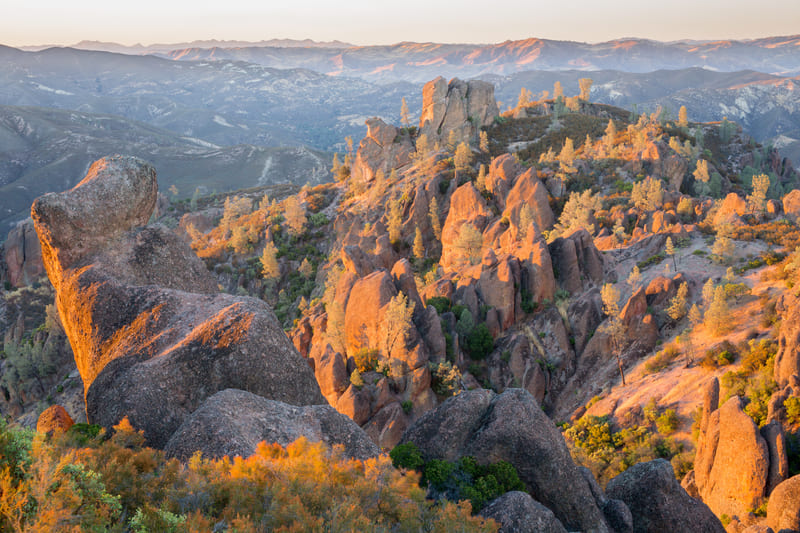
California sits at the meeting point of several tectonic plates, and their movement over millions of years has shaped the state’s iconic mountains, valleys, and volcanoes. The dramatic spires at Pinnacles began forming around 60 million years ago, when the heavier Farallon plate was forced beneath the North American plate.
As the Farallon plate melted, magma rose to the surface, creating layers of volcanic rock through eruptions and flows. This intense volcanic activity, occurring roughly 22 to 23 million years ago, gave rise to the unique formations that define Pinnacles today.
Ongoing erosion has further sculpted the landscape, carving deep ravines, caves, sheer rock walls, and winding canyons—features that continue to make the park a geologic wonder.
Things to do at Pinnacles National Park
Hiking
With more than 30 miles of trails, Pinnacles offers hikes for every type of adventurer. You can tackle a challenging route across rugged terrain, take a leisurely walk through open grasslands, or wander into the park’s fascinating caves. Some highlight trails include:
- Prewett Point Trail – 0.9 miles, easy
- Old Pinnacles Trail to Balconies Cave – 5.3 miles, moderate
- Chalone Peak Trail – 9 miles, strenuous
Climbing
Climbing at Pinnacles can be both rewarding and risky—the volcanic rock here is fragile and demands experience. Seasoned climbers can test themselves on Machete Ridge, where routes range from top-roping spots like Top Rope Wall to multi-pitch classics such as First Sister, Portent, and Pipsqueak Pinnacle.
Camping
For overnight stays, Pinnacles Campground is located on the east side of the park and is available by reservation. Both RVs and tents are welcome, with each site featuring a picnic table and fire ring (though fire use depends on conditions). Amenities include drinking water, coin-operated showers, a swimming pool (open April–September), and a dump station. Tent cabins are also available to rent.
Bird Watching
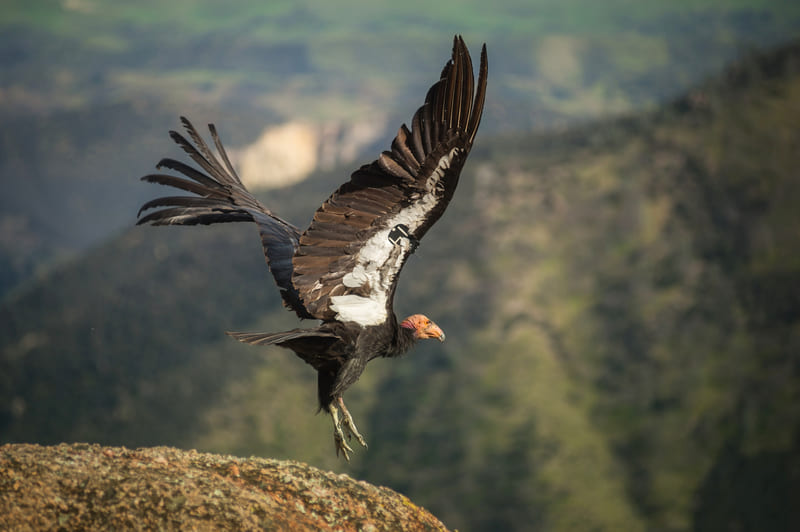
The park is a haven for bird enthusiasts, with 181 species recorded. Bring binoculars and scan the skies for California Condors and Turkey Vultures soaring above the High Peaks. The Balconies Trail is also a favorite spot for catching glimpses of Canyon Wrens, towhees, and Oak Titmice.
Visiting the Pinnacles
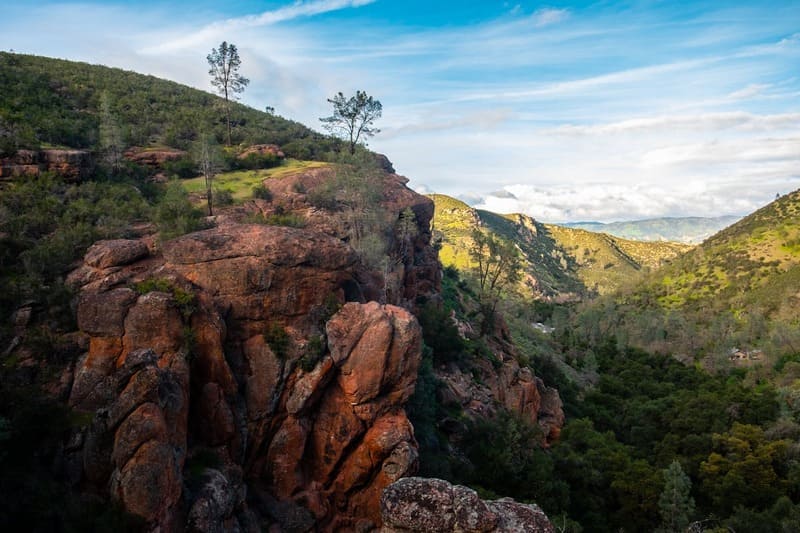
Pinnacles National Park is located at 5000 Highway 146 in Paicines, California, nearly a five-hour drive from Los Angeles. If you’re visiting in summer, be prepared for intense heat by packing plenty of water, snacks, and sunscreen. Keep in mind that cell service is unavailable within the park, and private vehicles are subject to an entrance fee ranging from $15 to $30.