L.A. County is going through one of the most intense urban rewires in its modern history. After decades of car dependency and fragmented neighborhoods, the city is finally building the infrastructure that could actually stitch it together.
Rail lines are expanding, long-stalled tunnels are moving forward, and airport access is finally getting a real upgrade. Here’s where things stand across the biggest projects reshaping the future map of L.A.
D Line Extension
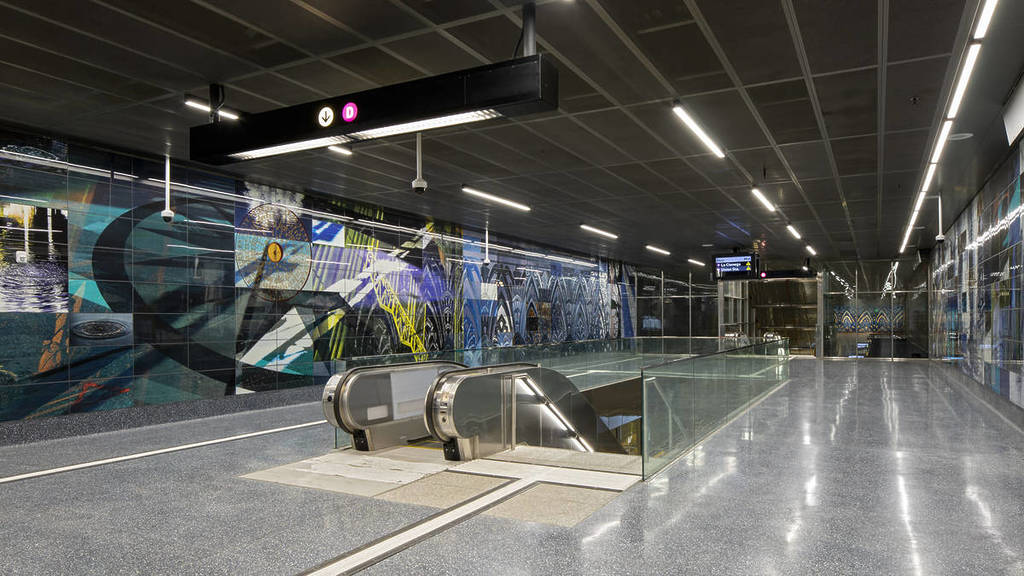
This is the backbone of the entire Westside buildout. The first segment of the D Line extension will open on May 8, 2026, adding three underground stations along Wilshire Boulevard: Wilshire/La Brea, Wilshire/Fairfax, and Wilshire/La Cienega.
From there, construction continues in two additional phases. The next section is scheduled for 2027, extending service to Century City, followed by the final stretch to Westwood and UCLA, also targeted for 2027.
LAX Automated People Mover
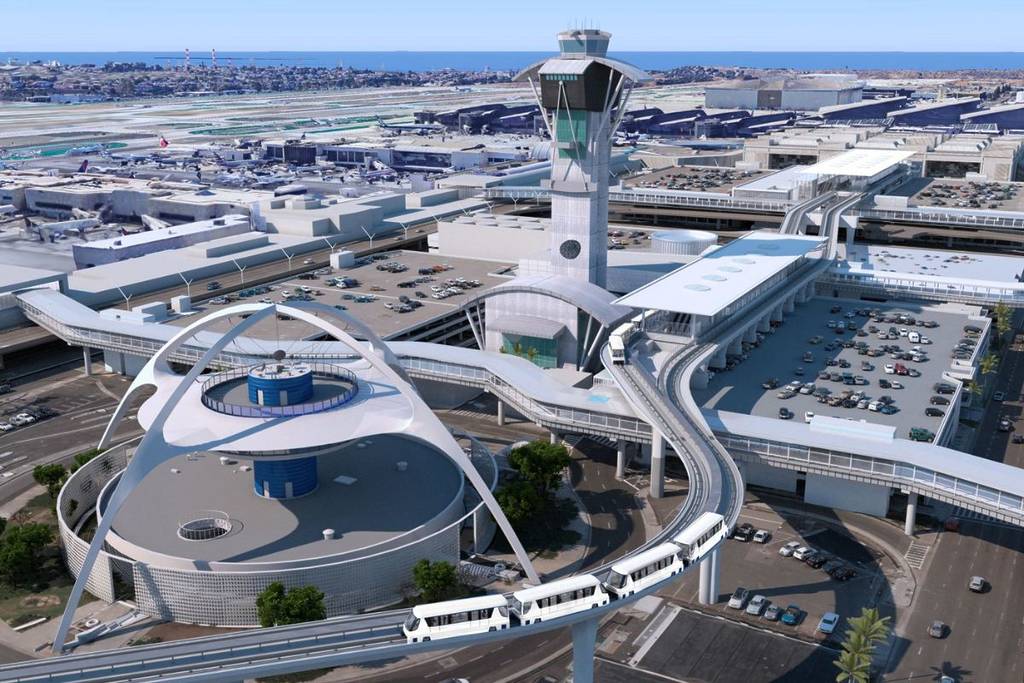
While the LAX/Metro Transit Center opened in June 2025, finally linking Metro Rail (C and K Lines) to a dedicated airport station, the real transformation is still coming: the LAX Automated People Mover (APM), an elevated, driverless train that will connect the transit center directly to all LAX terminals, plus parking and rental facilities.
This system is currently under construction and scheduled to open in late 2026, completing the first real rail-based airport connection in L.A. history.
South Bay Extension

Metro has approved extending the K Line south from Redondo Beach to Torrance, adding 4.5 miles and two new stations. Right now, the project is still in planning and environmental phases, meaning no construction has started yet.
There is no fixed opening date, but current expectations place it in the 2030s, depending on funding and delivery schedule.
Sepulveda Transit Corridor

This is the heavyweight project in early development: a proposed 13-mile high-capacity rail line through the Sepulveda Pass connecting the San Fernando Valley with the Westside.
Very recently, Metro advanced the project by selecting a preferred underground rail alternative, but construction has not started. The project is now in environmental review and design, with no confirmed opening date. Realistically, this is a 2030s or later project given its scale and complexity.
Southeast Gateway Line
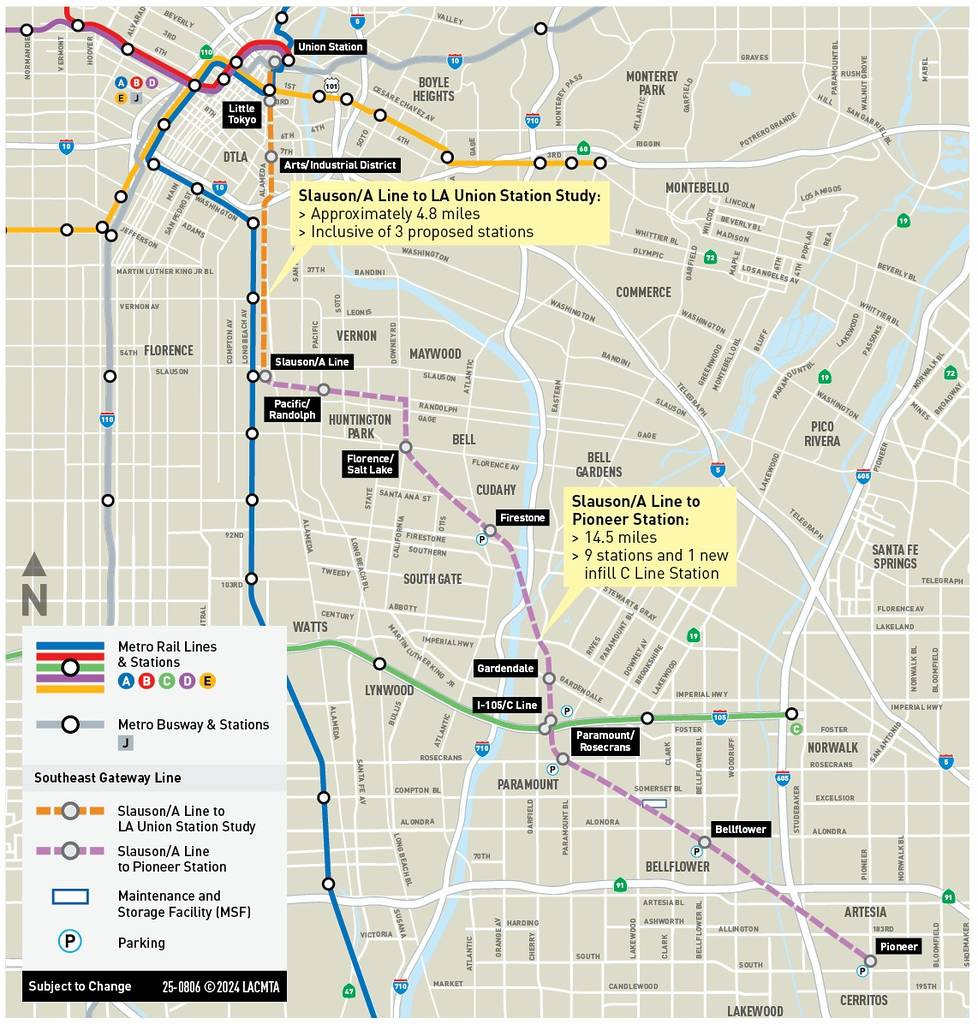
This is a 14.5-mile light rail line connecting the A Line to Artesia, adding nine stations across Southeast L.A. County. The project will become a new rail spine through one of the most underserved corridors in the region. While this in its early planning stages, they planned opening is set around 2035.