
From protecting fragile flower species to helping marine animals recover in the wild, conservation efforts often begin with understanding and protecting the creatures that share our planet. Local zoos play an important role in that mission, creating safe environments for endangered species while helping visitors connect with animals they might never encounter otherwise.
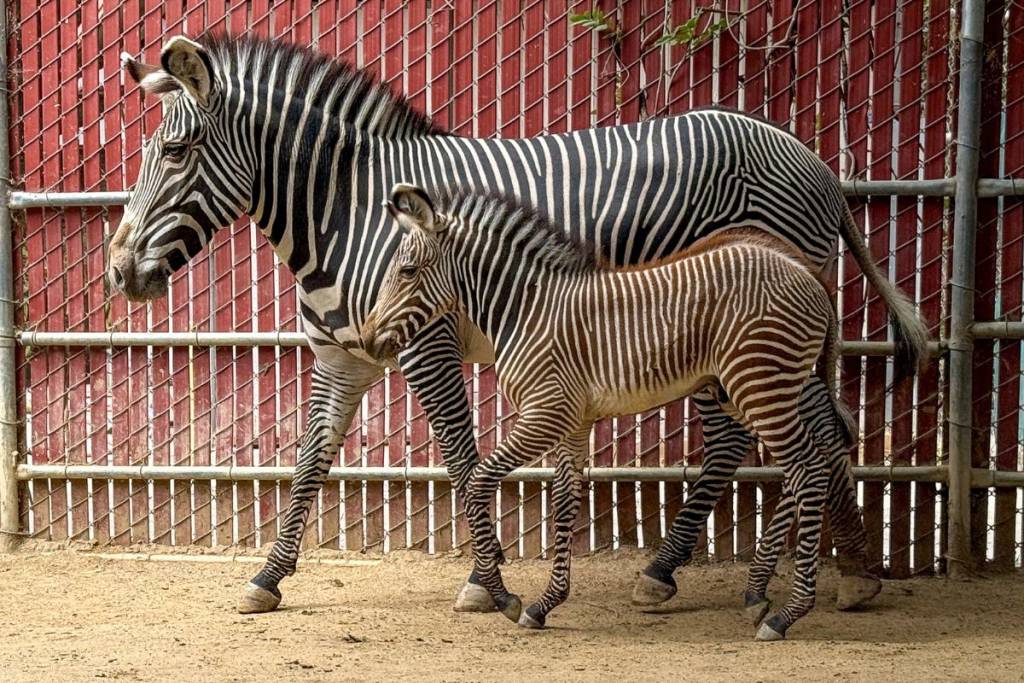
That conservation work recently reached a new milestone at the Los Angeles Zoo, where a baby Grevy’s zebra was born, marking the first birth of this endangered species at the zoo since 2019.
The male foal spent his first weeks behind the scenes with his mother as part of the zoo’s care process, allowing the pair to bond in a quiet environment before gradually adjusting to new sights and sounds.
After brief public appearances while he became familiar with his habitat, the young zebra is expected to be regularly visible to guests, weather permitting, of course.
A milestone for the L.A. Zoo’s Grevy’s zebra conservation program
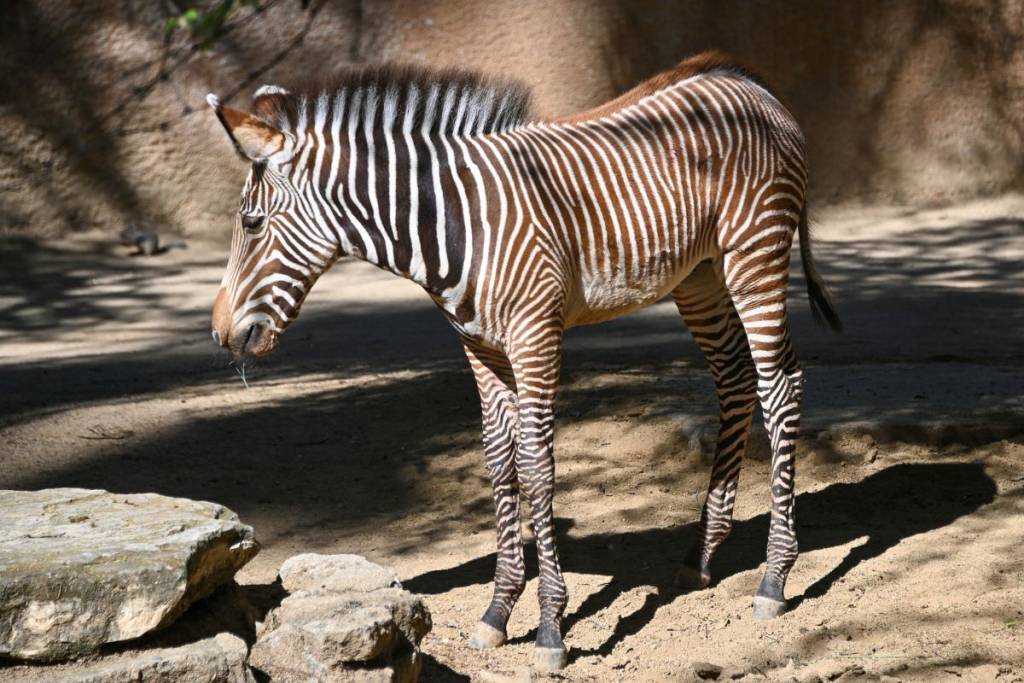
The arrival of the new foal represents an important moment for the zoo’s animal care team, which has been working to support the population of Grevy’s zebras in human care. The birth also gives visitors the chance to observe behaviors that are unique to a young zebra, from early movements and interactions with its mother to the development of its distinctive markings.
Like every Grevy’s zebra, the newborn has a one-of-a-kind stripe pattern, similar to a human fingerprint. The species is the largest of all zebra species, with adult males reaching around five feet tall at the shoulder and weighing close to 1,000 pounds.
An endangered zebra species facing a population decline
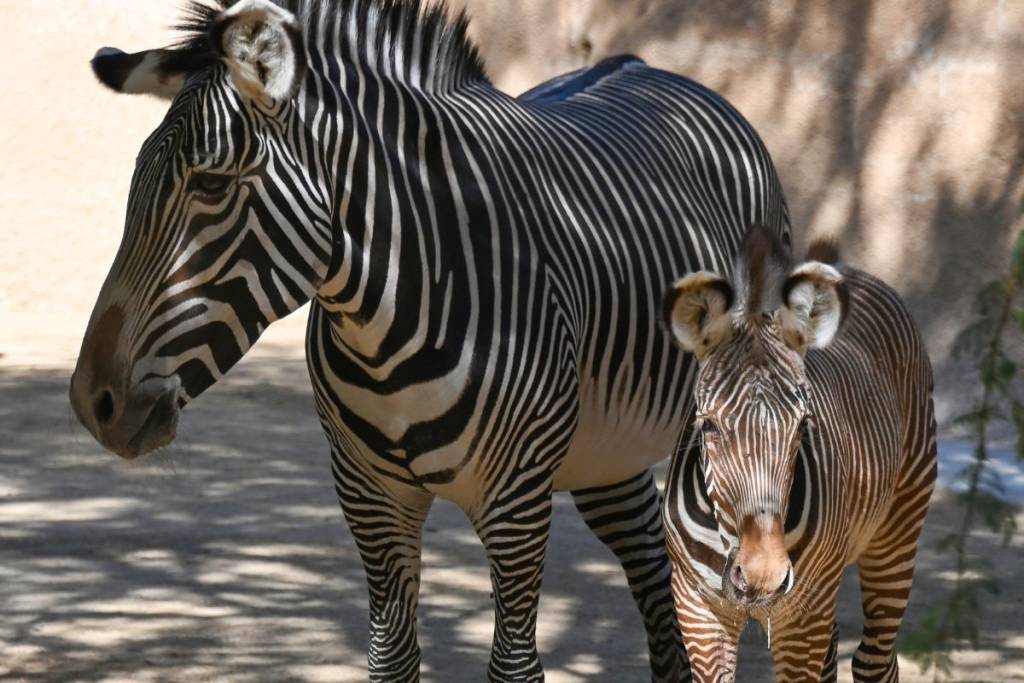
Grevy’s zebras are native to the semi-arid grasslands and open scrublands of southern Ethiopia and northern Kenya. Unlike other zebra species, they are adapted to drier environments and can survive longer periods without water.
However, their population has declined dramatically over recent decades. According to the International Union for Conservation of Nature, Grevy’s zebras are classified as Endangered, with fewer than 2,000 estimated to remain in the wild. Their decline has been driven by habitat loss, competition for resources, disease, predation, and illegal hunting.