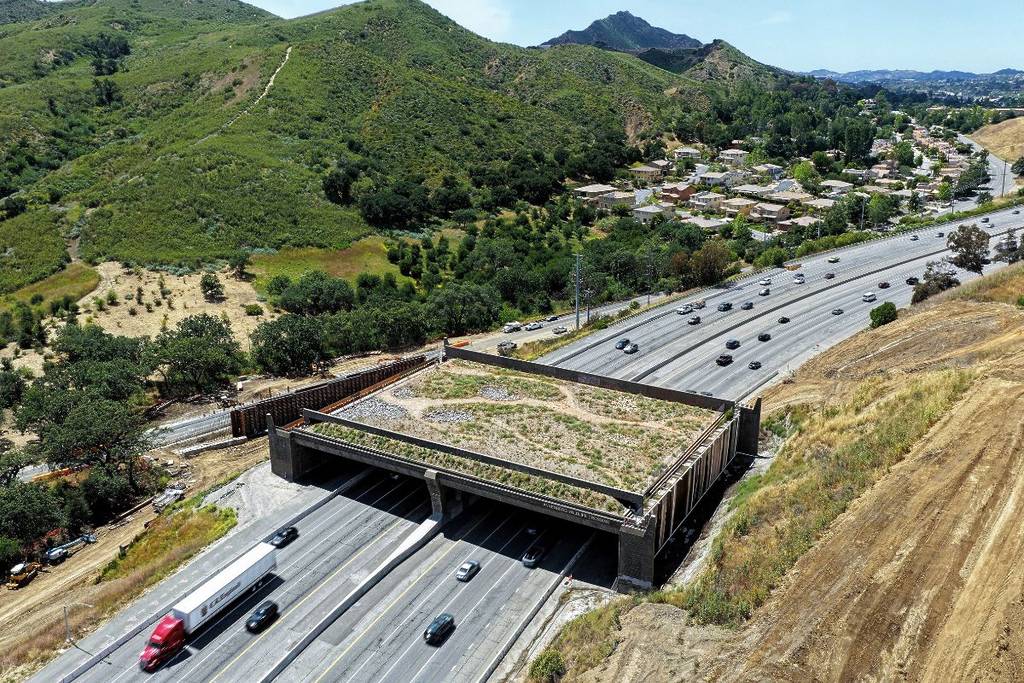

Southern California’s busy highways have long posed a challenge both for local wildlife and drivers, but a major eco-friendly shift is underway. State officials and conservationists are teaming up to build a network of bridges designed to help animals safely navigate the region’s infrastructure, with the Wallis Annenberg Wildlife Crossing being the most important and closest to completion so far.
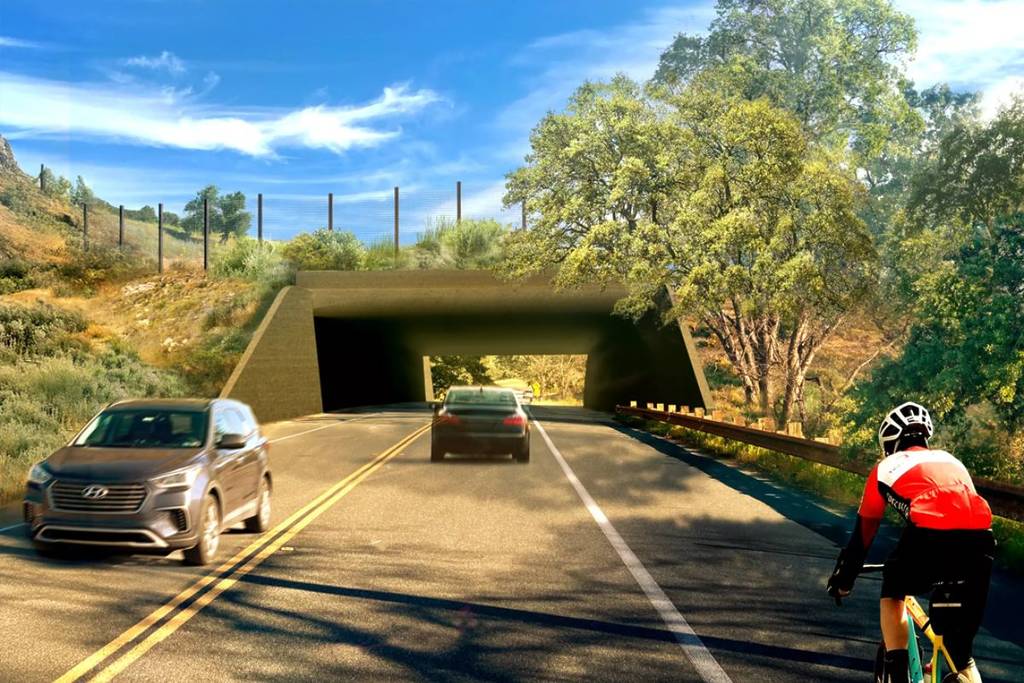
But the effort to reconnect fractured habitats extends far beyond L.A. County. Another two of these new crossings are planned in the Mojave Desert along State Route 62 near the Morongo and Yucca grades. This highway heavily disrupts the natural habitat around Joshua Tree National Park, making it difficult for local deer and other native animals to move freely.
The Mojave Desert Land Trust gained major momentum with a $5-million planning grant from the Wildlife Conservation Board to build these passages.
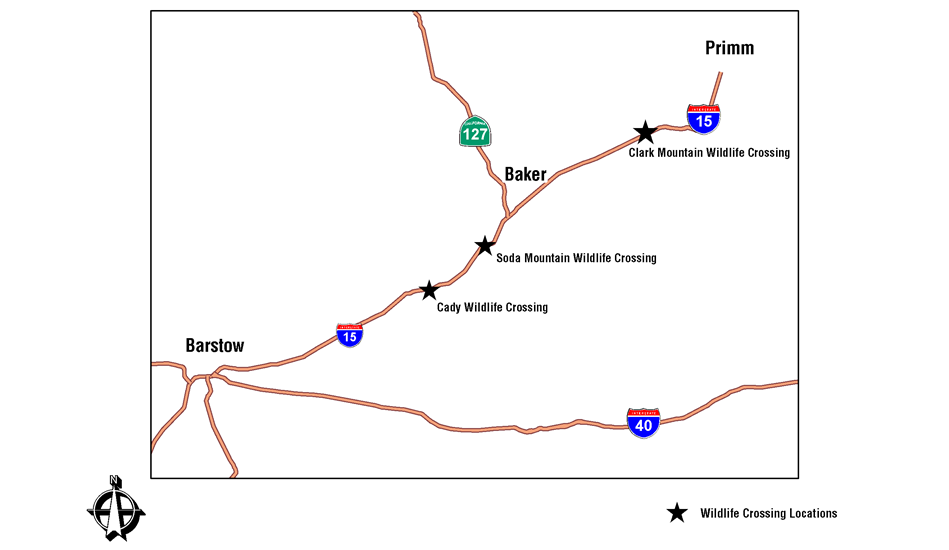
The remaining three crossings of the five planned projects are underway on Interstate 15, the high-traffic corridor connecting Los Angeles and Nevada. This roadway carries more than a million vehicles each month and runs directly through a key habitat for bighorn sheep.
To protect them, Caltrans has teamed up with wildlife officials and the high-speed rail company Brightline West to open these final three crossings by 2027 near Barstow and Primm.
The Wallis Annenberg Wildlife Crossing
The pioneer of this movement is the Wallis Annenberg Wildlife Crossing, which is finally nearing completion and is set to become the biggest wildlife crossing on Earth. Construction on the $114-million project officially kicked off in 2022, and after facing some weather-related delays, the bridge is set to open in December 2026.
This massive structure will stretch 210 feet across ten lanes of the 101 Freeway, just northwest of the city.