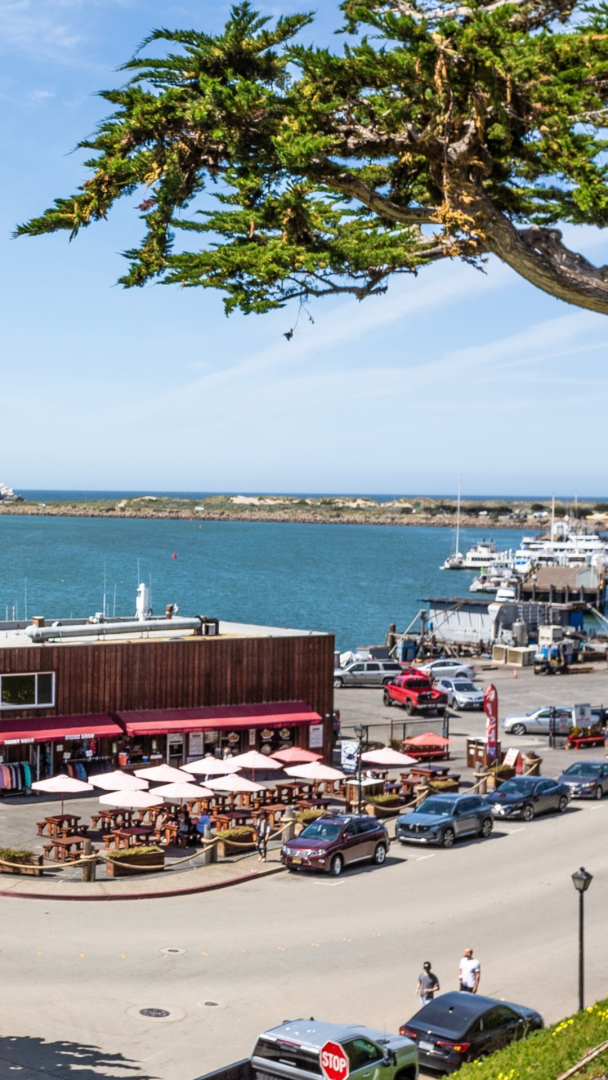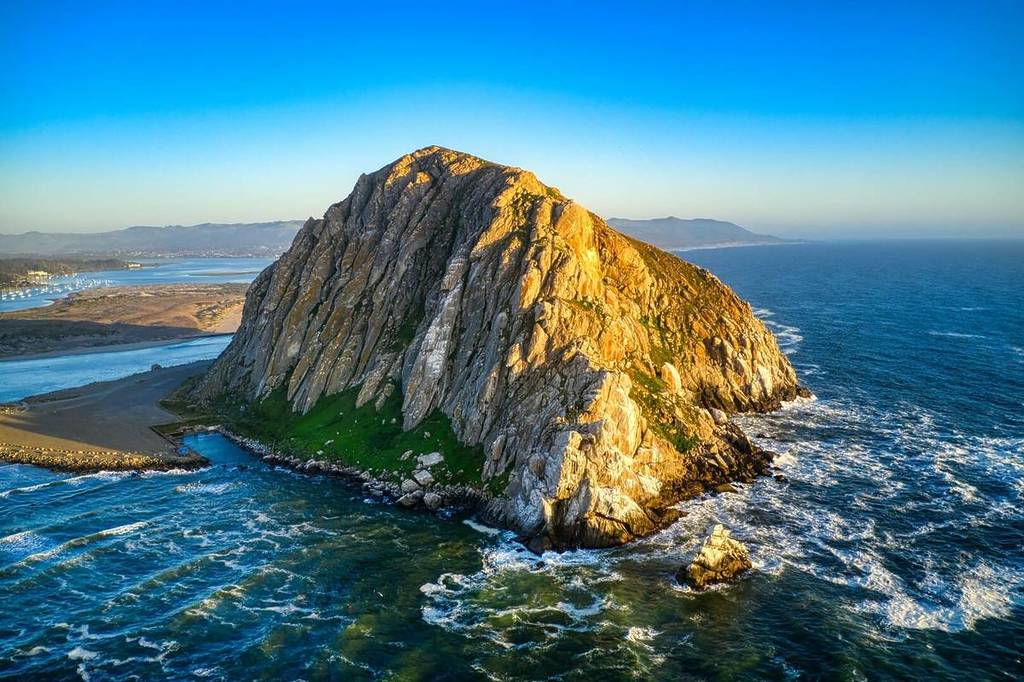
Whether you’re a born-and-raised Californian or a recently arrived tourist, driving up Pacific Coast Highway (Highway 1) is always a memorable experience, offering dramatic coastal views all the way from Dana Point to Mendocino. One of the most striking features along the way is Morro Rock, a prehistoric volcanic plug rising 576 feet above the ocean.
Sometimes known as the “Gibraltar of the Pacific” in an ode to the famous Rock of Gibraltar on the Mediterranean, Morro Rock is an important natural feature of California’s coastal landscape.
Historical and cultural significance of Morro Rock
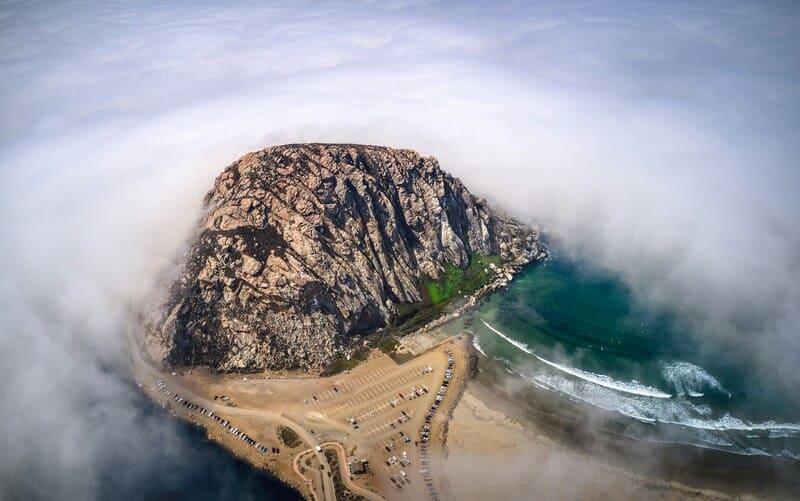
Morro Rock is a volcanic plug that formed approximately 23 million years ago, belonging to the “Nine Sisters,” a chain of similar volcanic plugs dotted along the coast between Morro Bay and San Luis Obispo. It’s the solidified core of an extinct volcano, formed by magma pushing upward into the volcanic vent. The softer surrounding stone eroded over millions of years, leaving behind the dense volcanic plug that we can see today.
Like many of California’s natural wonders, Morro Rock has held deep cultural significance for Indigenous populations for thousands of years. The Chumash and Silanan tribes used it as a navigational landmark and a site for spiritual ceremonies.
These days, Morro Rock is recognized as a bird sanctuary for numerous bird species, including the endangered peregrine falcon.
Visiting Morro Rock
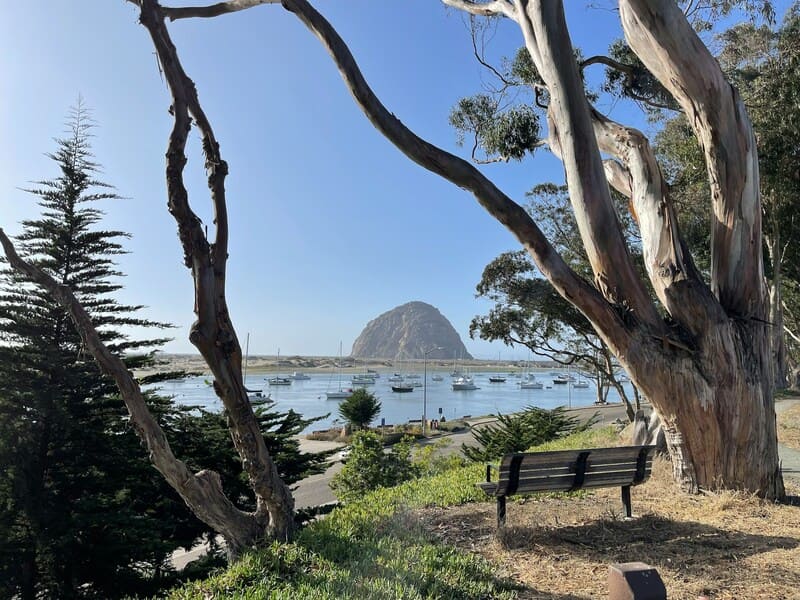
Climbing Morro Rock is strictly prohibited so as not to disturb the wildlife and fragile environment. However, it is accessible by causeway, which allows visitors to drive up to its base.
The surrounding area has numerous beaches and hiking trails, including those in Morro Bay State Park, where visitors can make the most of this part of California’s Central Coast.