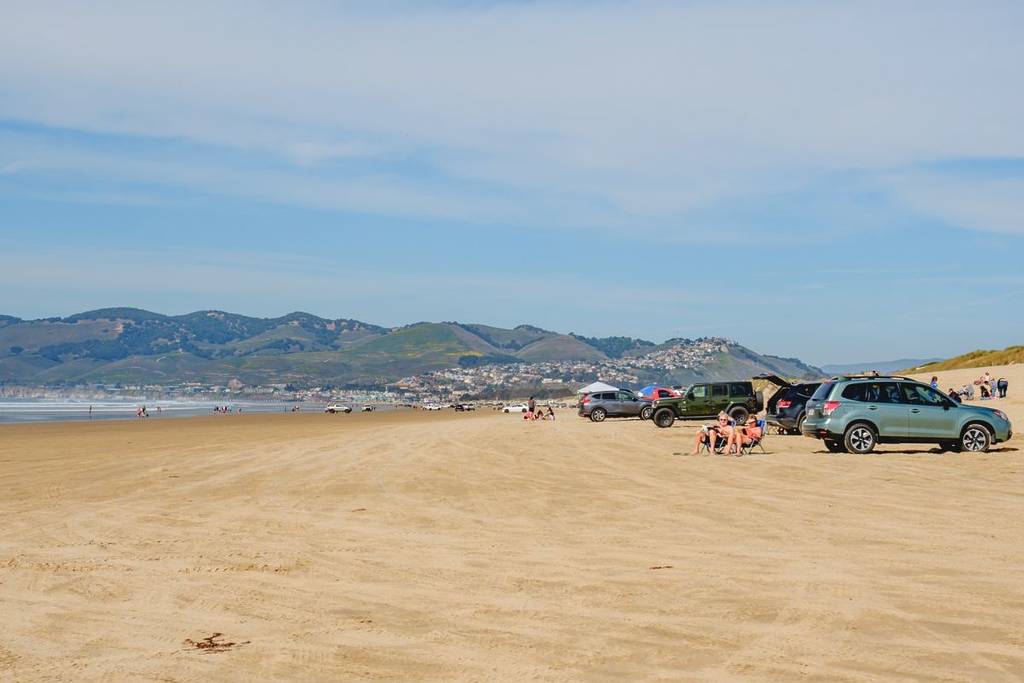

For outdoor enthusiasts, there are few places in the state that are quite like this spot. Stretching along the Central Coast near Pismo Beach, the sprawling expanse of sand is the only state park where visitors can legally drive on the beach and explore coastal dunes in off-road vehicles, making it a longtime favorite for campers, ATV riders, and adventure seekers.
Now, Oceano Dunes State Vehicular Recreation Area has officially reopened following a temporary shutdown earlier this spring. The long-awaited return restores access to one of California’s most distinctive destinations.
Still, the reopening doesn’t look exactly the same as it did before. Visitors returning to the dunes this summer will encounter several new rules and protections that could shape the future of recreation at the site.
Oceano Dunes new restrictions
While off-roading and camping are back, the reopening comes with a number of new requirements designed to protect sensitive wildlife habitat, as stated by California State Parks. Visitors must stay out of all fenced nesting areas, obey the park’s 15 mph speed limit, and follow designated driving routes throughout the recreation area.
State Parks officials have also warned that additional protected zones may be established during nesting season depending on wildlife activity. The new measures are intended to balance recreation with environmental protections and could remain a key part of the park’s operations moving forward.
Why Oceano Dunes became so controversial
The reopening is just the latest chapter in a years-long battle over the future of Oceano Dunes. Supporters view the park as a one-of-a-kind recreation destination and an important economic engine for nearby communities. Families have been visiting the dunes for generations, drawn by the rare opportunity to camp directly on the beach and drive across miles of sand.
Environmental organizations, however, argue that vehicle use has contributed to habitat loss, air-quality concerns, and disturbances to protected wildlife species. Their efforts have led to lawsuits, regulatory reviews, and proposals to phase out off-road recreation in parts of the park.