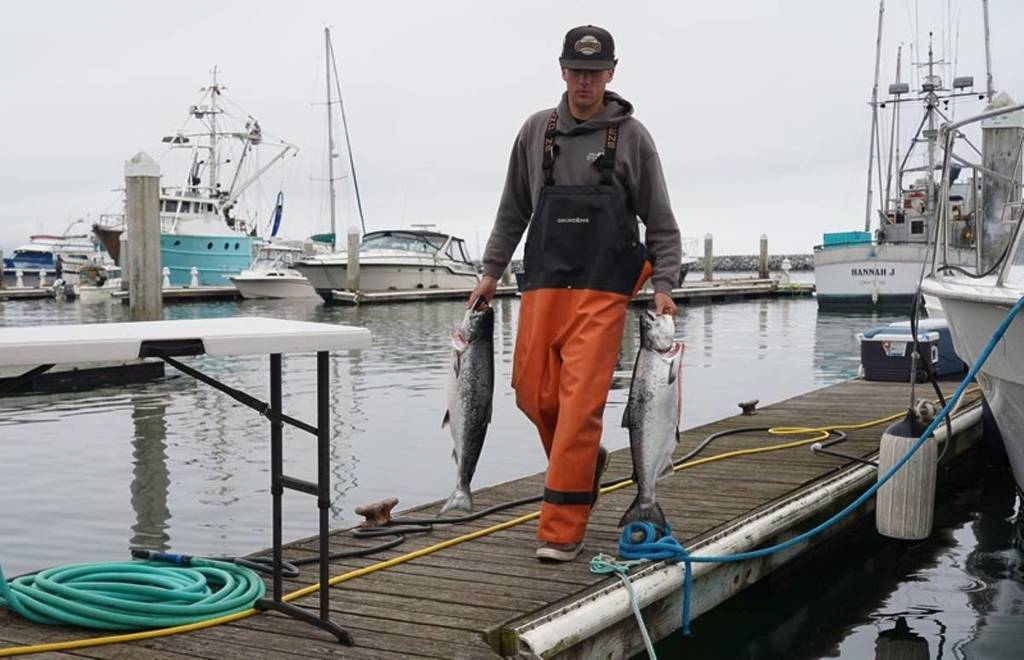

After years of empty decks and quiet harbors, California’s salmon scene is finally showing signs of life again. A brand-new 2026 announcement confirms what many in the fishing world have been hoping for: commercial ocean salmon fishing is finally making a comeback after 3 long years.
And while much of the early buzz centers on places like Monterey Bay, the ripple effects are already being felt farther south, even in Los Angeles.
A Comeback Years in the Making
For the first time since 2022, commercial ocean salmon fishing is returning after a three-year shutdown driven by collapsing fish populations. Recreational anglers, who only saw extremely limited access in recent years, will also get more open days this season.
The shift comes after measurable improvements in key Chinook salmon stocks, particularly those tied to the Sacramento and Klamath river systems.
Why Salmon Are Returning Now
That recovery didn’t happen by accident. A combination of wetter winters, improved river conditions, and long-term restoration efforts helped stabilize salmon populations that had been pushed to the brink by drought and environmental strain.
Officials say the rebound is strong enough to cautiously reopen the fishery, but with tight controls.
What This Means for Los Angeles
While Southern California isn’t the historical epicenter of salmon fishing, it stands to benefit in a different way: access. Because protected salmon populations are more concentrated in Northern California waters, stricter fishing limits remain in place there.
That opens the door for relatively greater opportunity in southern management zones, giving anglers and charter operators in the L.A. region a rare advantage this season.
Impact on Los Angeles Restaurants
Los Angeles restaurants could also feel the effects of salmon’s return. After years of relying on imported or frozen alternatives, chefs may once again gain limited access to fresh, locally caught Chinook.
That could mean short-term menu specials, higher-quality seasonal dishes, and a renewed emphasis on California-sourced seafood. Though tight quotas will likely keep supply limited and prices relatively high.
A Fishery Under Tight Control
Still, this isn’t a return to the old days. Fishing in 2026 will operate under strict quota-based limits. There’s a cap on how many fish can be caught, and once that number is reached, the season shuts down, with no exceptions.
New rules like vessel-based trip limits and in-season monitoring mean regulators will be watching closely, ready to close fisheries early if needed.
More Than Just Fishing
There’s also a cultural pull. Salmon has long held an almost mythic status in California’s fishing identity. Its absence left a noticeable gap in the state’s outdoor lifestyle.
Bringing it back, even in a restricted form, reconnects coastal communities to something bigger than just the catch.
And if the momentum holds, this could mark the beginning of a new chapter. One where salmon fishing in California isn’t just surviving, but adapting to a changing world.