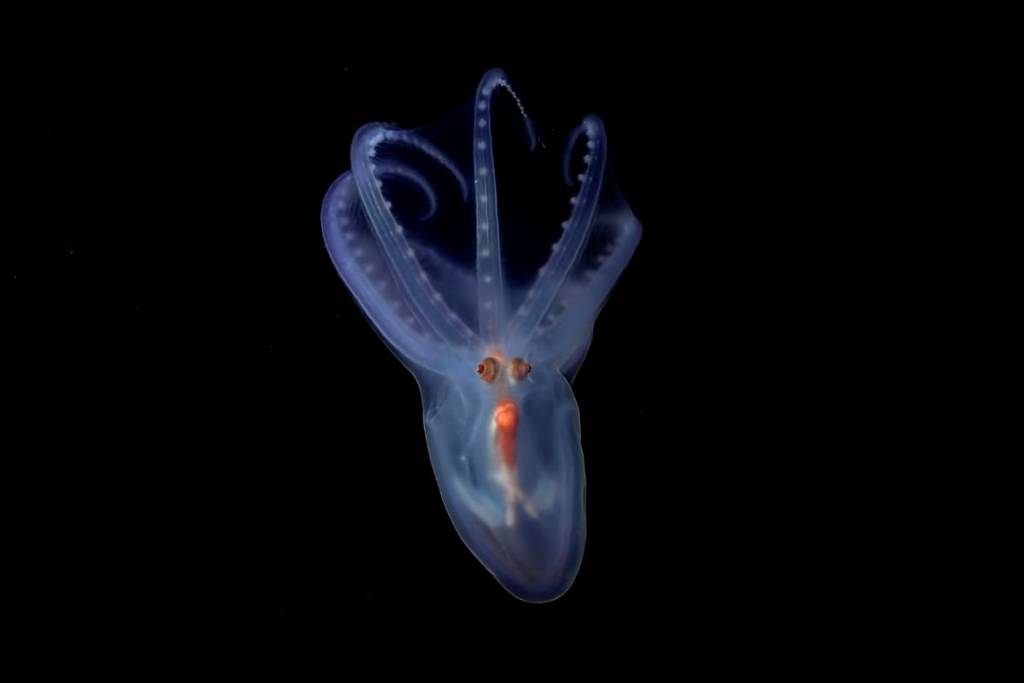
Although humanity has already ventured into the far reaches of outer space, much of our own planet (particularly the deep ocean which plays a vital role in sustaining life), remains largely unexplored. It’s often said that we only know about 5% of what exists in those depths.
Launched on July 22 and set to conclude on August 10, the Underwater Oases of Mar Del Plata Canyon: Talud Continental IV mission is currently exploring the South Atlantic, about 186 miles off Mar del Plata, Argentina. This international scientific collaboration brings together the California-based nonprofit Schmidt Ocean Institute (SOI) and Argentina’s leading science agency, CONICET.
The expedition focuses on one of the least studied areas in the world, believed to host unique ecosystems and unknown species, critical for global biodiversity and ocean health. Using SOI’s advanced research vessel Falkor (too) and the remotely operated vehicle (ROV) SuBastian, the team is investigating depths up to 12,795 feet, while broadcasting live via Schmidt Ocean Institute’s YouTube channel. Every day, an average of 40,000 viewers tune in to watch with peaks of 80,000 on weekends.
Although the schedule may vary, it usually goes live daily around 10 AM (PST) and lasts for about 8 to 10 hours. To make sure you don’t miss it, subscribe and turn on notifications.
Why is the deep-sea mission going viral?
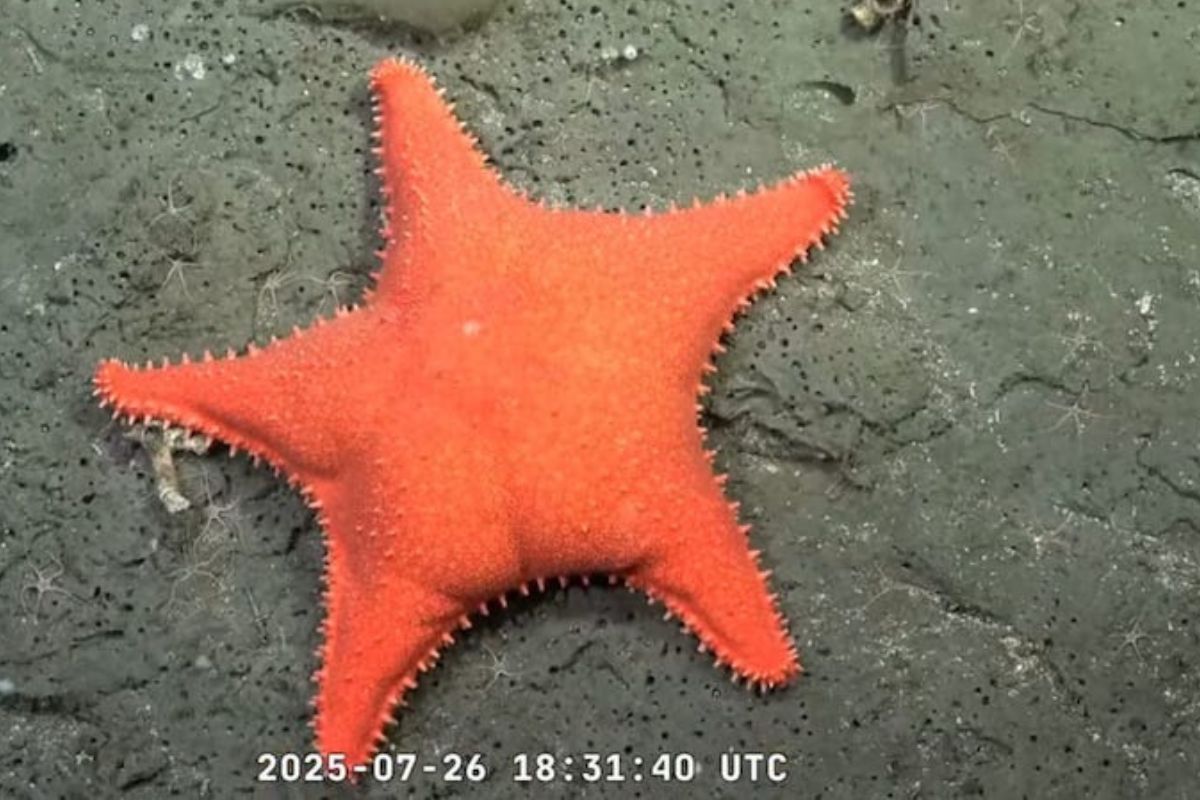
The high-definition footage captured during the dives offers an unprecedented real-time view of deep ocean life. Thousands of viewers tune in, discovering the astonishing creatures beneath the surface of one of the world’s largest oceans.
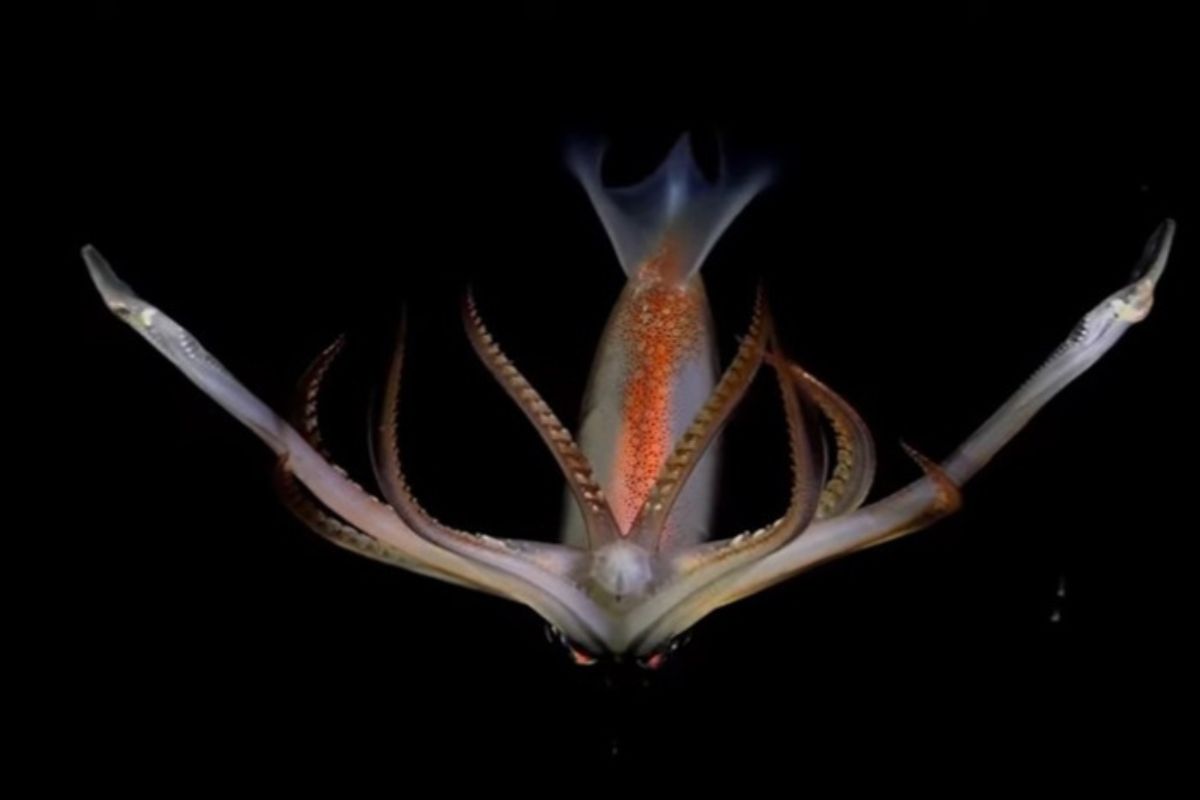
On top of that, Argentine scientists provide live explanations and interact with the audience through the YouTube chat. Strange-looking fish, underwater “spiders,” and colorful squid have stolen the spotlight, but the livestream reached a peak after the unexpected appearance of Internet celebrity “Patrick Star.”
The role of the Schmidt Ocean Institute
The Schmidt Ocean Institute (SOI) is a nonprofit ocean science foundation based in Palo Alto, California, with the goal of accelerating oceanographic discovery through collaborative expeditions, advanced marine technology, and open sharing of data results.
It’s the powerhouse behind the mission in Mar del Plata, bringing the high-tech research ship and the deep-diving ROV, which is what makes it possible to explore nearly 13,000 feet underwater. SOI’s cutting-edge equipment makes both the live stream and the scientist’s labor (collecting samples, filming live footage) possible.
The Argentine science team leading the expedition
CONICET (National Scientific and Technical Research Council) is at the heart of this mission, organizing and coordinating the marine exploration while overseeing the deployment and logistics of the research vessel and the ROV.
More than 20 Argentine scientists from several CONICET institutes and national public universities form a multidisciplinary team. These institutions bring expertise in oceanography, taxonomy, ecogenomics, sedimentology, and experimental ecology. Together, they collect data that will be openly shared through platforms like CONICET Digital, OBIS, and GenBank.