
Summer travel is peaking, and with millions of people moving across the U.S. for holidays, relocations, and FIFA World Cup-related trips, airports are busier than usual. That volume is colliding with a quieter shift already underway at security checkpoints, where the way passengers handle their luggage is slowly being redefined without most travelers noticing.
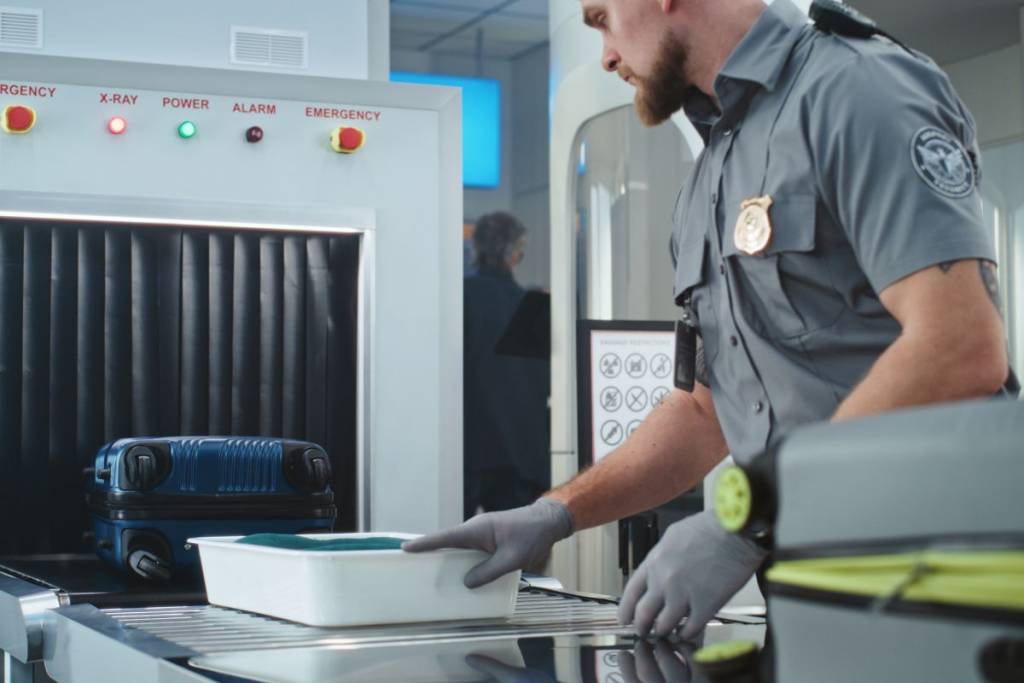
According to Simple Flying, TSA is rolling out advanced 3D computed tomography scanners across major U.S. airports, including LAX. These machines replace traditional X-ray systems with full 3D imaging. Instead of flattening your bag into a single image, officers can rotate and zoom inside it digitally.
How the new TSA scanning machines impact travelers
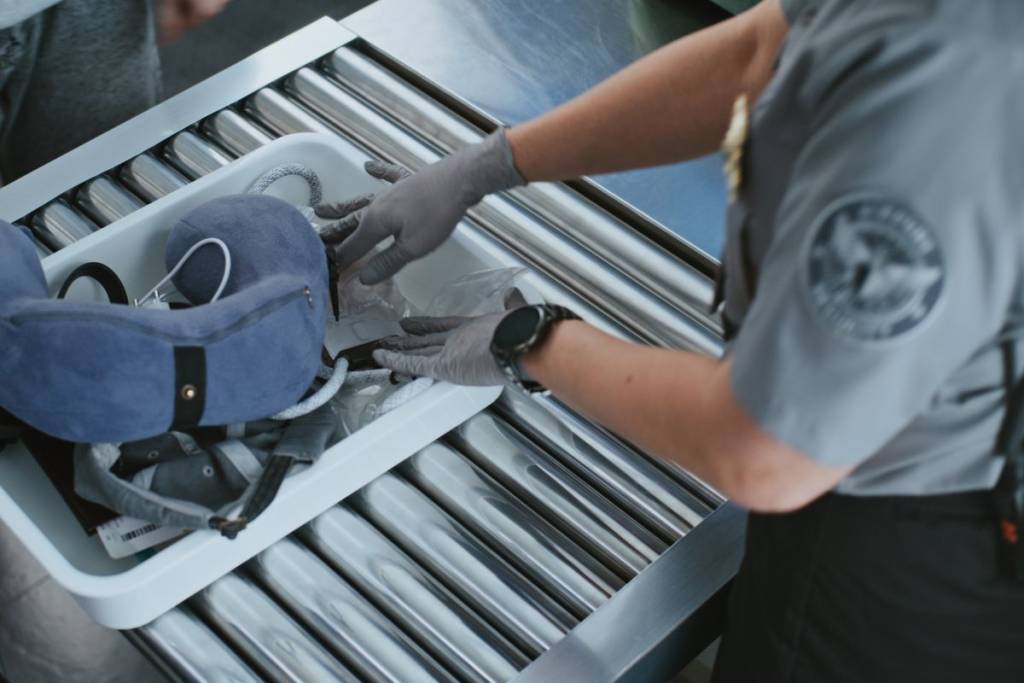
The quick answer? Less hassle. The unpacking ritual is fading. Laptops, tablets, cameras, charging cables, and approved liquids can often stay inside carry-on bags during screening in upgraded lanes. That means fewer bins, fewer stops, and less of the usual “empty your bag” choreography.
Packing logic is also shifting, as toiletry kits no longer need to sit at the top of luggage for quick removal, and electronics can be placed wherever they fit naturally instead of being staged for inspection.
The only catch is that now carry-on size is becoming more strictly enforced in practice. Because CT scanners have fixed tunnel openings, oversized bags may not fit and can be pulled aside before screening even begins. What used to be a loose airline issue is now a hard checkpoint constraint.
This wave of changes is part of a TSA program worth up to $781.2 million, funding the nationwide rollout of advanced CT-based scanners. The goal is faster processing, fewer manual steps, and smoother throughput across busy airports.