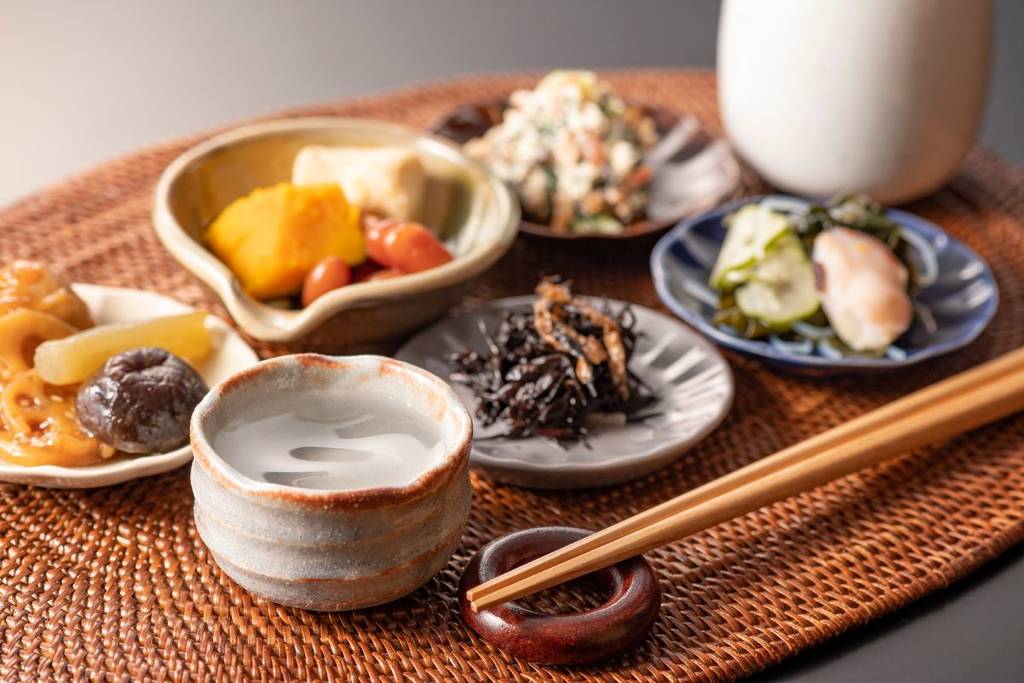

What most people call “Japanese food” is really just a small slice of a much deeper tradition. In Japan, food is tied to seasons, landscapes, and a long cultural history that shapes both how people eat and how they think about meals.
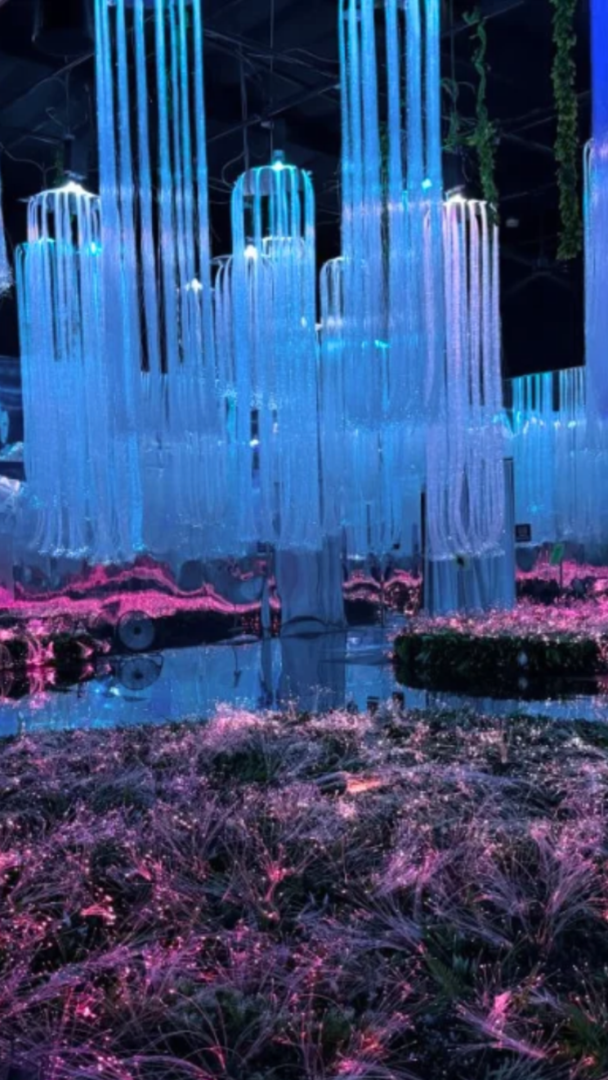
That broader philosophy has a name: washoku, a centuries-old philosophy and way of eating shaped by Japan’s islands, seasons, and deep respect for nature. The new exhibition WASHOKU, Nature and Culture in Japanese Cuisine, lands at JAPAN HOUSE this week, bringing this culinary world to life through food models, natural specimens, photos, and hands-on displays.
Created with the National Museum of Nature and Science in Tokyo and The Asahi Shimbun, it’s the first time the show is presented outside Japan. Visitors can move through immersive sections that explore ingredients, history, techniques, and the ideas behind Japanese cooking.
The exhibition is structured across five themed areas. Visitors begin exploring what washoku means, then move into the ingredients that Japan’s archipelago provides. The journey continues into the history of this culinary tradition, followed by a closer look at its beauty and core principles in practice. It finally wraps up by looking into the future of washoku.
Washoku and its UNESCO recognition
Washoku was inscribed on UNESCO’s Intangible Cultural Heritage list in 2013, recognizing Japan’s traditional food culture as more than cuisine and highlighting it as a living practice rooted in respect for nature, seasonal awareness, and shared social rituals.
The recognition also points to washoku’s role especially in traditional celebrations like New Year meals, where shared dishes carry symbolic meaning and reinforce family and community ties.
📆 When: May 22, 2026 – October 18, 2026
📍 Location: 6801 Hollywood Blvd., Los Angeles, CA 90028