
From vast deserts dotted with mysterious rocks that appear to move on their own to alpine landscapes and snow-capped mountains, SoCal is home to an incredible variety of natural wonders.
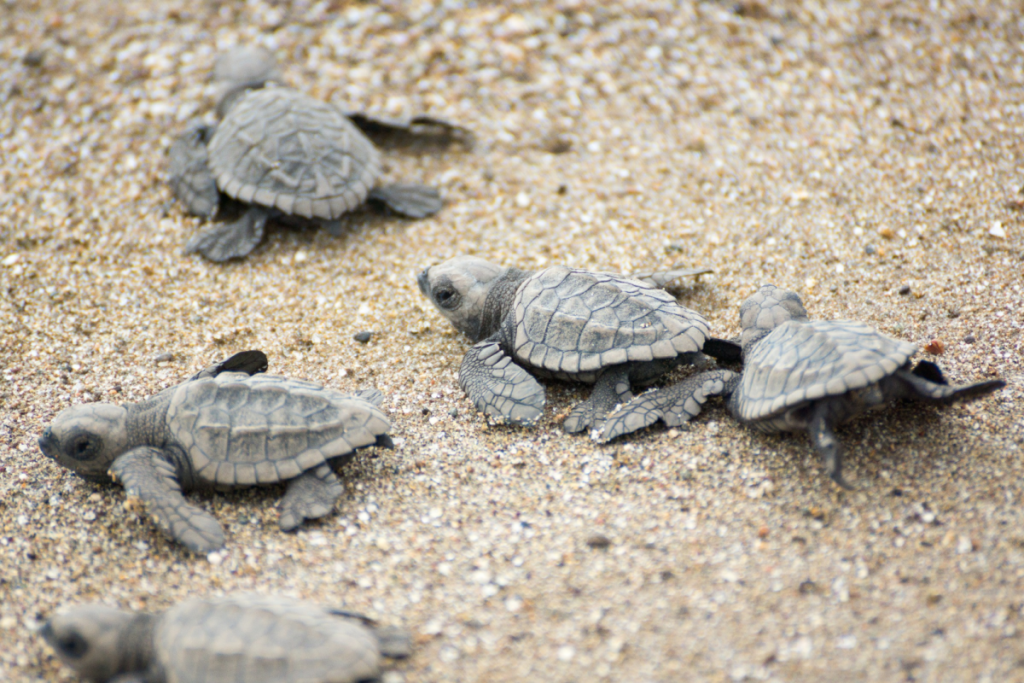
But its miles and miles of coastline arguably steal the spotlight, and this fall, the region could witness a historic wildlife milestone: the first-ever documented sea turtle hatching in California.
Two historic nests discovered in Orange County
The story began in September, when wildlife officials identified two olive ridley sea turtle nests on Southern California beaches. On September 16, a female was spotted laying eggs near Surfside Avenue in Seal Beach. Three days later, another nesting turtle was discovered near the Huntington Beach Pier.
According to NOAA Fisheries, these were the first recorded instances of natural sea turtle nesting on the West Coast. The extraordinary discovery prompted a coordinated response from wildlife agencies and conservation specialists.
However, the eggs faced several environmental threats, including coastal erosion, powerful surf, and unusually high tides. With a tropical storm also approaching, specialists decided to relocate both nests to protect their chances of survival.
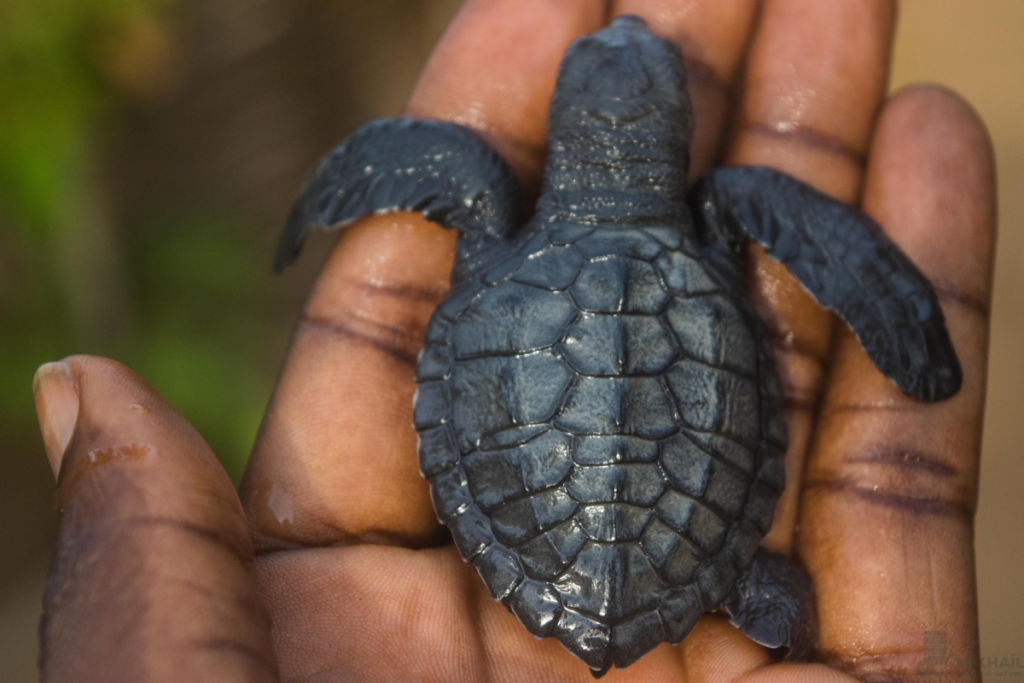
On September 25, an interagency team collected 204 eggs, including 104 from Seal Beach and 100 from Huntington Beach, and transported them to the Aquarium of the Pacific in Long Beach.
Since then, aquarium staff have kept them in a temperature-controlled room at approximately 90°F, carefully monitoring their development, CBS reports. The incubation period typically lasts 45 to 60 days, putting the potential hatching window in early November.
Meet the olive ridley sea turtle
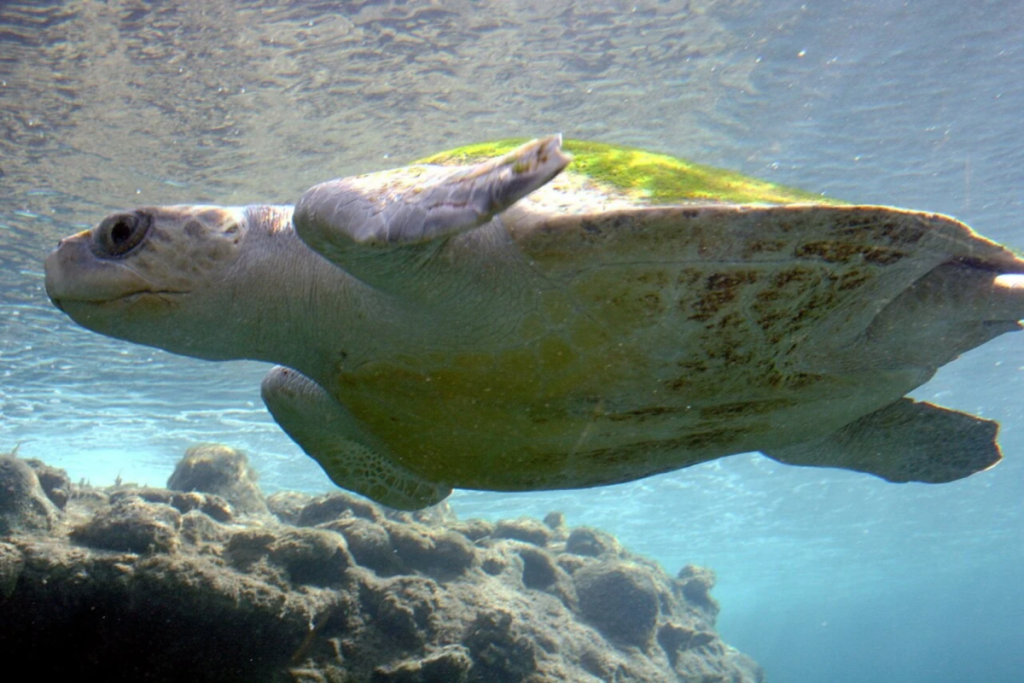
The olive ridley (Lepidochelys olivacea) is one of the world’s smallest sea turtle species. Adults typically measure two to 2.5 feet long and weigh up to 100 pounds. Their name comes from their distinctive olive-green shells.
According to NOAA Fisheries, these turtles inhabit tropical waters across the Pacific, Indian, and Atlantic oceans. They’re omnivores, feeding on jellyfish, crabs, shrimp, mollusks, and algae.
One of their most fascinating behaviors is arribada, a synchronized nesting event in which thousands of females gather on the same beach to lay their eggs. Although olive ridleys have occasionally been spotted swimming off the coast of California, documented nesting here is unprecedented.
For more, follow us on Facebook, Instagram, TikTok, and now WhatsApp!