
Soaring electric bills have hit households hard across California. Relief is finally on the horizon for those of us without an entire roof to spare.
Governor Gavin Newsom has officially signed SB 868, formally legalizing portable, plug-in solar devices across the state.
The move gives apartment dwellers and renters a simple, affordable way to generate their own clean energy.
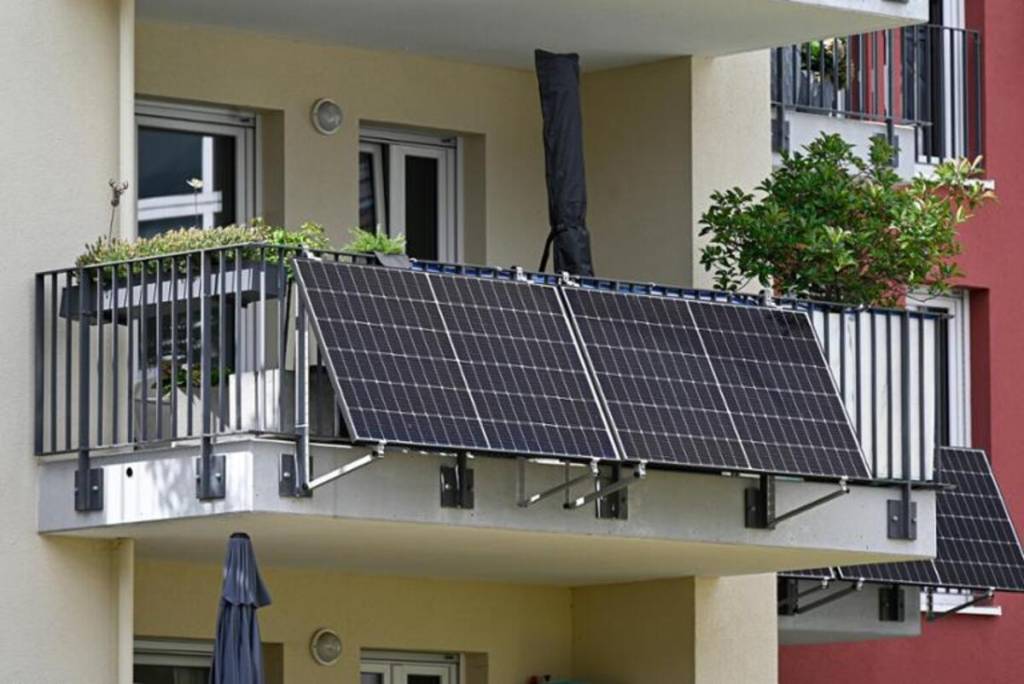
Instead of paying massive installation fees, residents can soon pick up compact kits. You can set them up right on a balcony, outside a sunny window, or in a small backyard.
How plug-in solar works
Traditional rooftop solar often requires deep pockets, landlord permission, and extensive roof work. Balcony setups take a completely different approach.
- Compact footprint: A standard kit includes a few panels, cables, and a micro-inverter.
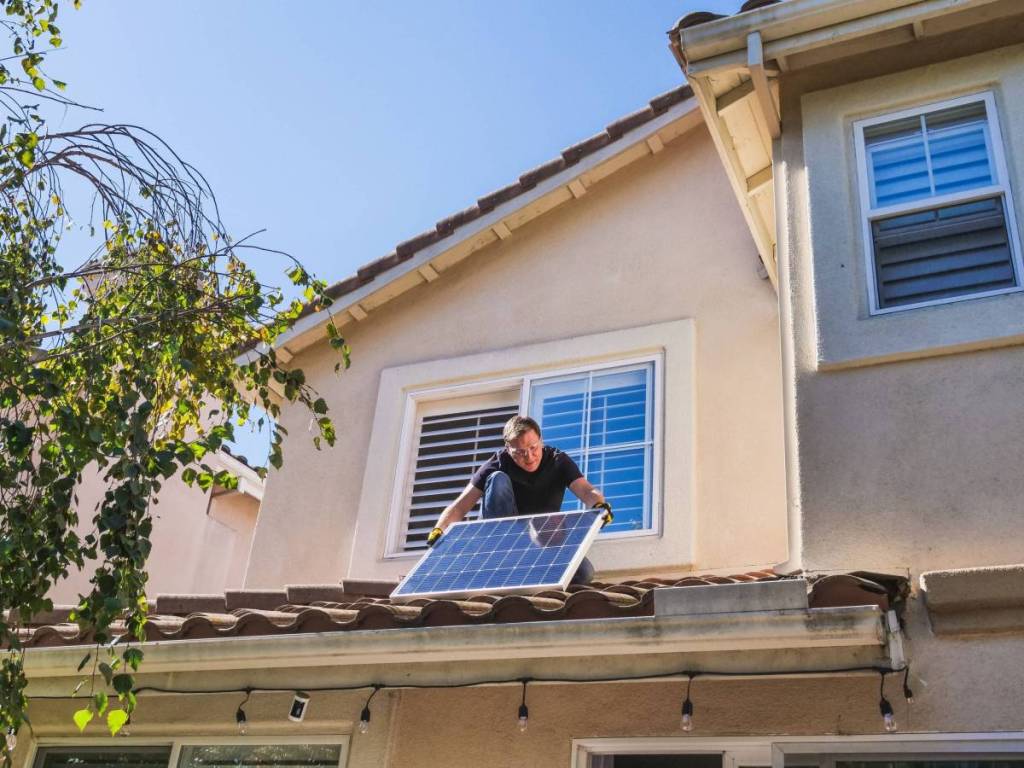
- Zero professional installation: Customers mount the portable system themselves.
- Accessible price point: Existing models range from $300 to $2,200, compared to the five-figure price tags of standard rooftop arrays.
Once properly configured, proponents note these compact units can offset up to 20% of a home’s electricity needs. That translates to roughly $500 in annual savings for a typical apartment.
What the new law requires
The legislation passed with overwhelming bipartisan support, but it introduces strict safety and operating guidelines:
- Power cap: Systems cannot exceed 1,200 watts per dwelling (roughly enough juice to run a window air-conditioning unit).
- Grid isolation: Units must include built-in safety features to prevent power from flowing back into the municipal grid during blackouts.
- Certified hardware: Equipment must meet California Electrical Code and National Electrical Code standards, certified by accredited testers like Underwriters Laboratories.
Ditching the utility red tape
Historically, hooking up any home generator meant navigating complex utility rules under Rule 21.
Companies like PG&E required formal interconnection applications costing anywhere from $100 to $800 alongside days of administrative wait times.
The new bill exempts compliant plug-and-play panels from those traditional hurdles. The updated registration will be completely free, straightforward, and immediate.
When will systems arrive in stores?
The legislation officially takes effect on January 1, 2027, and runs through January 1, 2030.
Because existing models on the U.S. market need outside certification under these specific state safety rules, manufacturers are currently designing compliant hardware.
Sponsoring groups expect official California-ready systems to land on retail shelves by spring.
Whether you rent a studio in L.A. or share a flat up north, tapping into the state’s signature sunshine is about to get significantly easier.
For more, follow us on Facebook, Instagram, TikTok, and now WhatsApp!