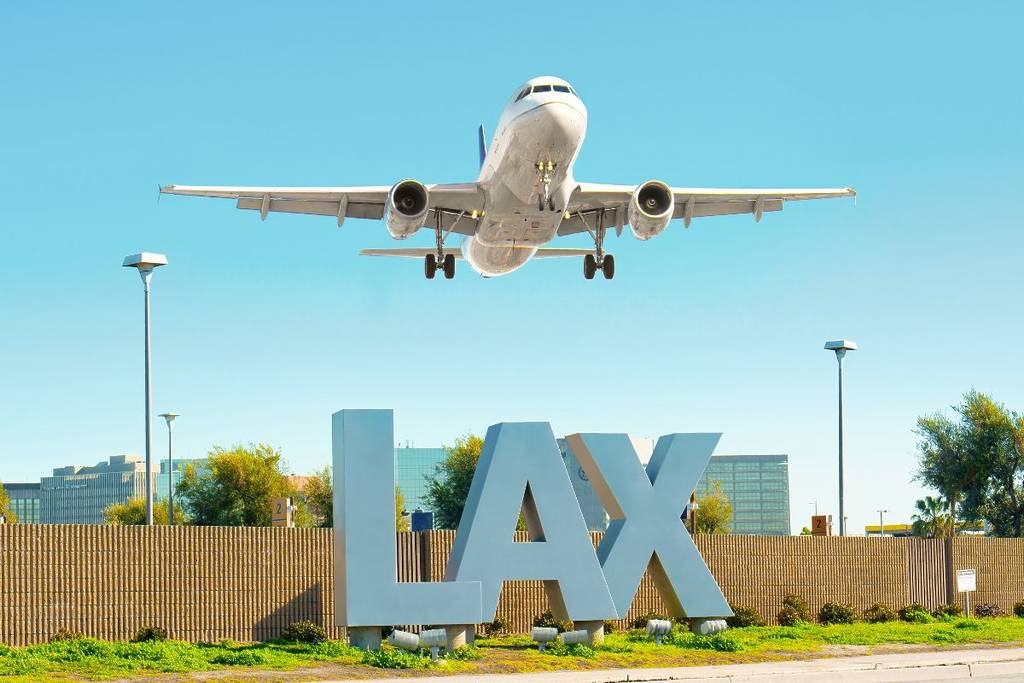

Since the beginning of the year, rising fuel costs have been steadily weighing on the global airline industry. Now, a scenario long anticipated by both carriers and travelers is starting to materialize, as Norse Atlantic Airways has fully withdrawn its summer program from LAX.
The company cited that certain routes are no longer financially sustainable. The decision impacts planned summer connectivity between Europe and the U.S. West Coast and reflects a broader pattern of capacity adjustments across the industry.
The same cost pressures are also affecting U.S. carriers such as American Airlines, United Airlines, Delta Air Lines, JetBlue, and Southwest Airlines, which have adjusted pricing structures and increased baggage fees as part of broader efforts to offset fuel expenses.
Meanwhile, several European operators have also reduced flight frequencies or canceled routes across their global networks, including cases like KLM, which cut more than 150 flights.
How to avoid travel disruptions amid flight cancellations
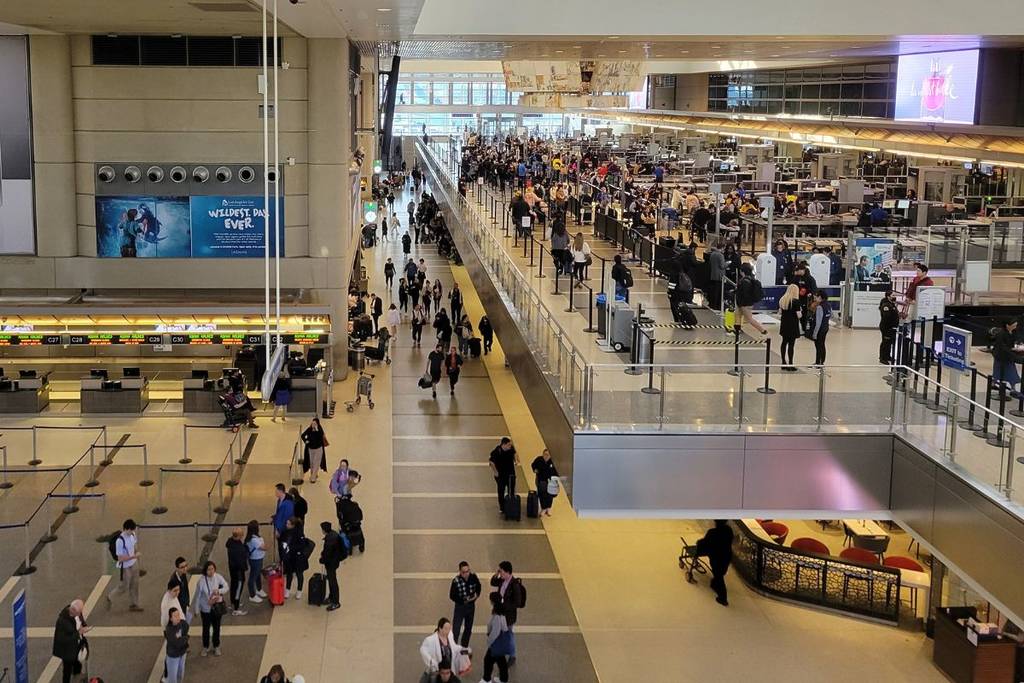
One of the most effective ways to protect yourself is to book with flexibility from the start. That means choosing fares that allow free changes or refunds, even if they cost slightly more upfront. It also helps to stick with airlines that have strong route networks and frequent daily flights, since they can usually rebook passengers faster when cancellations happen.
Another key strategy is adding financial protection and time buffers. Travel insurance or credit cards with trip delay and cancellation coverage can help cover unexpected costs, such as hotel stays and meals.
On the operational side, longer layovers reduce the risk of missing connections when delays stack up. And when something does go wrong, acting quickly through the airline’s app usually gets you rebooked faster than waiting in airport lines.