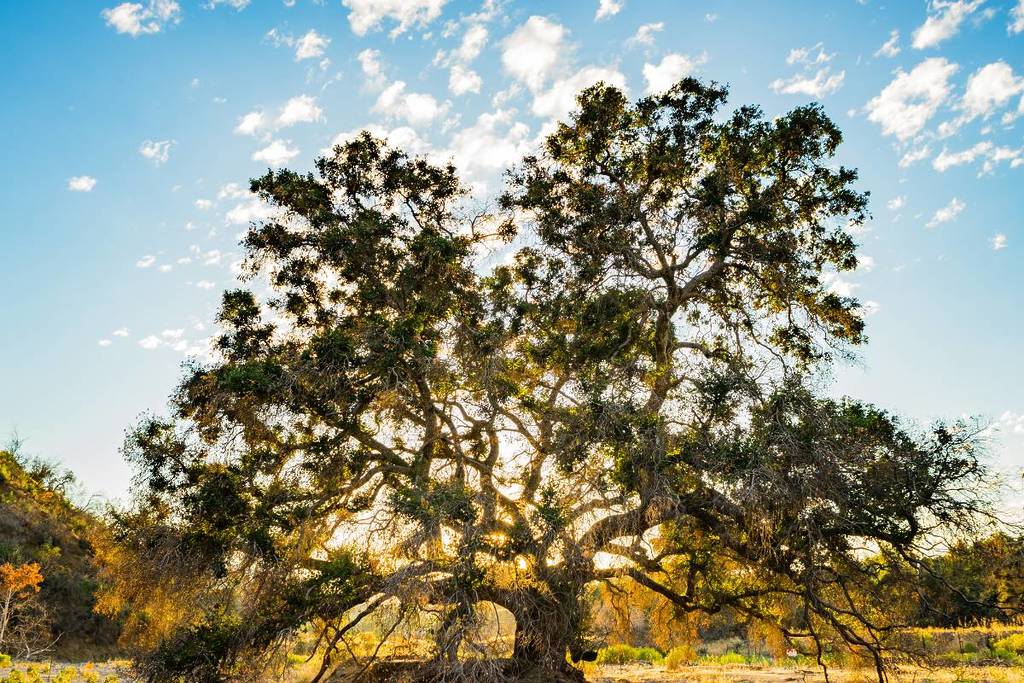

Yosemite is one of the most iconic parks in the country — but visiting it in 2026 can feel more like waiting in a theme park queue than exploring the wild. In March alone, the park recorded over 236,000 visits, a staggering 45% increase from the same month a year earlier, according to the LA Times. After the administration eliminated the park’s reservation system earlier this year, weekend traffic queues to reach the park have been increasing, and overcrowding has become a real concern for anyone looking for a genuine nature experience.
If you live in or near Los Angeles, the good news is you don’t need to drive five hours and battle traffic jams to find breathtaking wilderness. The answer is hiding right in your backyard: Angeles National Forest.
What makes Angeles National Forest special?
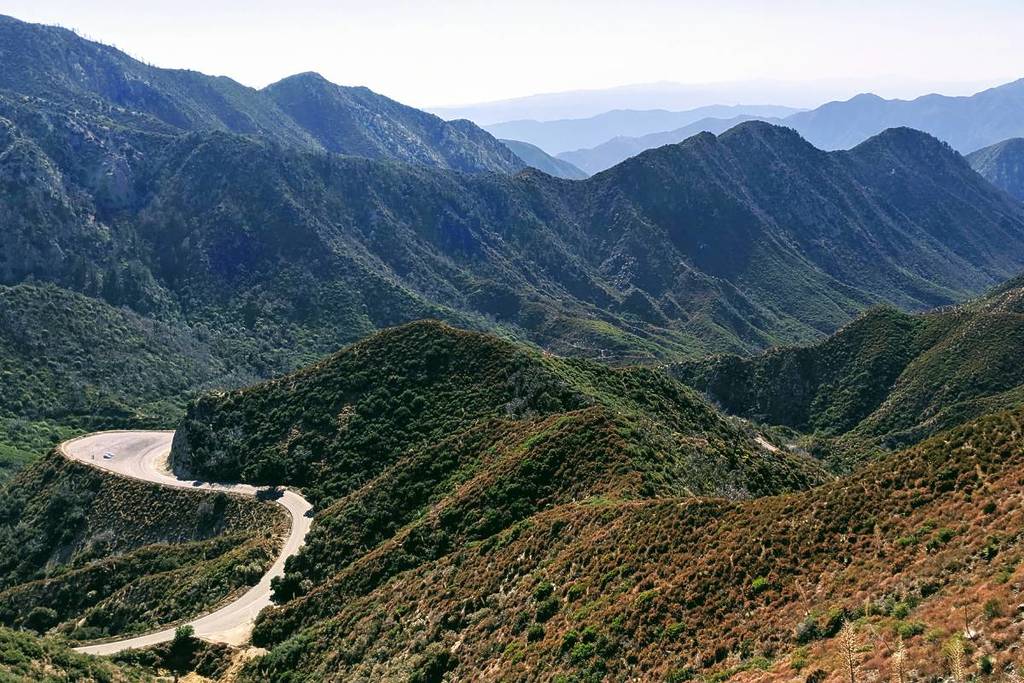
Angeles National Forest sits just 30 minutes from downtown Los Angeles, stretching across the San Gabriel Mountains in SoCal. It covers nearly 700,000 acres of diverse terrain — from high-desert slopes to dense forests — making it one of the largest urban-adjacent forests in the entire country.
Three facts that put Angeles National Forest on the map:
- 557 miles of hiking and equestrian trails, including 176 miles of the iconic Pacific Crest Trail (PCT).
- Elevations ranging from 1,200 feet to the 10,064-foot summit of Mount Baldy.
- Trails rated for all levels — from beginner-friendly to multi-day backpacking routes.
🏔️ Summit hikes: beat the heat by going up
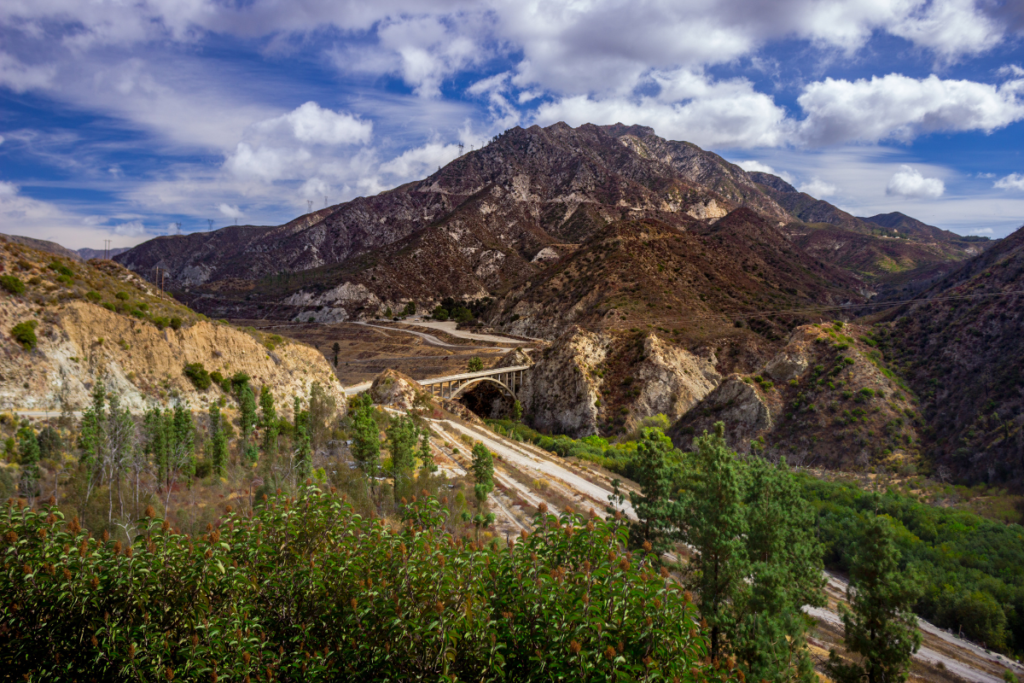
The most effective way to escape the summer heat? Gain elevation. These two peaks deliver serious altitude — and serious payoff.
Mount San Antonio (Mount Baldy)
Standing at 10,064 feet, this is the highest peak in Los Angeles County. The classic 11-mile loop crosses the legendary Devil’s Backbone trail — a narrow, wind-swept ridge with dizzying drop-offs on both sides. The thin, cool air at the top makes the climb feel worth every switchback. Expect sweeping views across the entire LA Basin on a clear day.
Mount Baden-Powell
Climbing to 9,399 feet, this 8-mile trail earns its reputation through steady, shaded switchbacks beneath a canopy of ancient Limber pines — some over 1,500 years old. It’s a gentler ascent than Baldy, but the summit views are just as jaw-dropping.
🌊Waterfall hikes: hidden cascades worth the detour
Trail Canyon Falls
Tucked inside the Tujunga Canyon area in the western part of the forest, Trail Canyon Falls is a 35-foot waterfall that plunges into a shaded grotto surrounded by ferns and canyon walls. The trail follows Trail Canyon Creek through a narrow gorge, with several stream crossings that make the journey feel like a real exploration — not just a walk.
Key details at a glance:
- Distance: 4.6 miles round trip
- Elevation gain: ~750 feet
- Difficulty: Moderate
- Trailhead: Off Big Tujunga Canyon Road, 45 minutes from central LA
Stoddard Canyon Falls
Stoddard Canyon Falls sits in the eastern stretch of the forest near Azusa and delivers one of the most dramatic finishes of any short hike in the San Gabriel Mountains. The falls drop around 40 feet over volcanic rock into a natural pool at the base — a perfect reward at the end of a relatively gentle trail.
Key details at a glance:
- Distance: ~3.5 miles round trip
- Elevation gain: ~600 feet
- Difficulty: Easy to moderate
- Trailhead: Accessible from the Azusa side of the forest, roughly 50 minutes from downtown LA
The wilderness was always this close. You just had to know where to look.