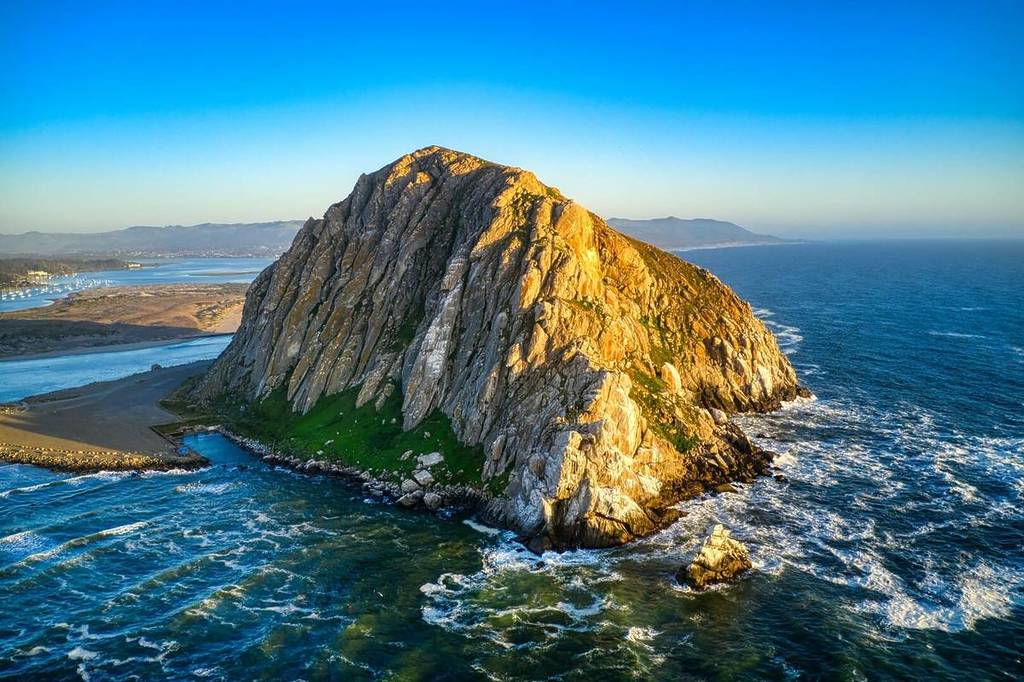

Whether you’re a lifelong Californian or a first-time visitor, a drive along Pacific Coast Highway (Highway 1) never loses its charm, showcasing sweeping ocean views from Dana Point all the way to Mendocino. One of the most striking landmarks along the route is Morro Rock, an ancient volcanic plug that rises 576 feet above the sea.
According to the City of Morro Bay, Morro Rock is sometimes called the “Gibraltar of the Pacific,” in reference to the well-known Rock of Gibraltar in the Mediterranean.
Here’s a closer look at this iconic natural feature on California’s coastline.
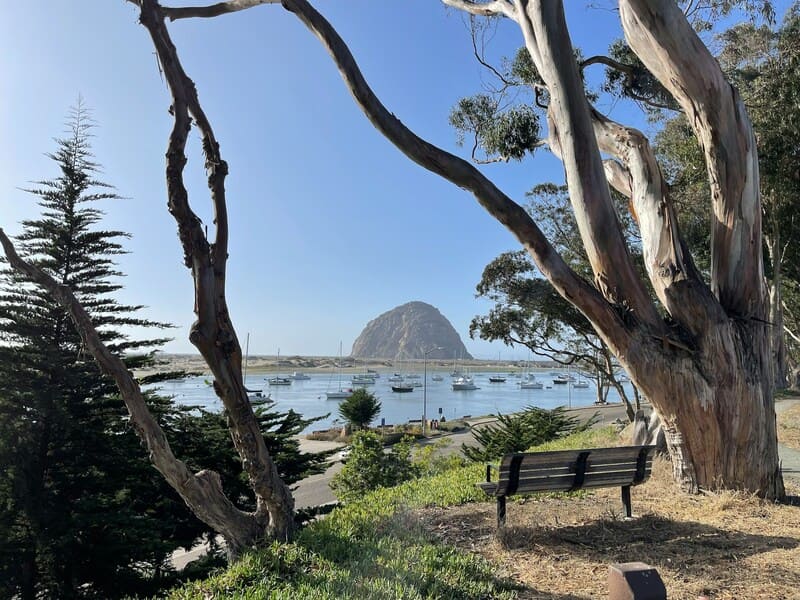
Historical and cultural significance of Morro Rock
Morro Rock is a volcanic plug formed around 23 million years ago and is part of the “Nine Sisters,” a series of similar formations scattered between Morro Bay and San Luis Obispo. It represents the hardened core of an extinct volcano, created when magma forced its way upward through a vent. Over time, the softer surrounding rock eroded, leaving behind the dense volcanic structure visible today.
As with many of California’s natural landmarks, Morro Rock has long held cultural importance for Indigenous communities. The Chumash and Salinan peoples regard it as both a navigational point and a place for spiritual practices.
Today, Morro Rock is protected as a bird sanctuary, providing habitat for a variety of species, including the endangered peregrine falcon.
Visiting Morro Rock
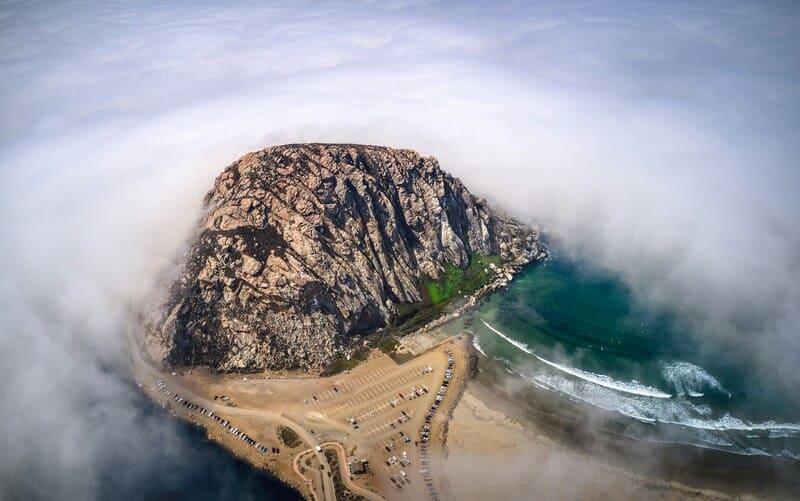
Climbing Morro Rock is prohibited to protect its delicate ecosystem and wildlife. However, visitors can reach its base via a causeway, making it easily accessible by car.
The nearby area features several beaches and walking trails, including those within Morro Bay State Park, offering plenty of opportunities to explore this scenic stretch of California’s Central Coast.