The starting of 2026 brings a wave of changes that Californians will notice in everyday life. New laws, updated rules for Social Security, and fresh compliance deadlines are shaping how people live, work, and plan their finances. From new safety standards to shifts in long‑standing regulations, many residents will be adjusting routines and expectations.
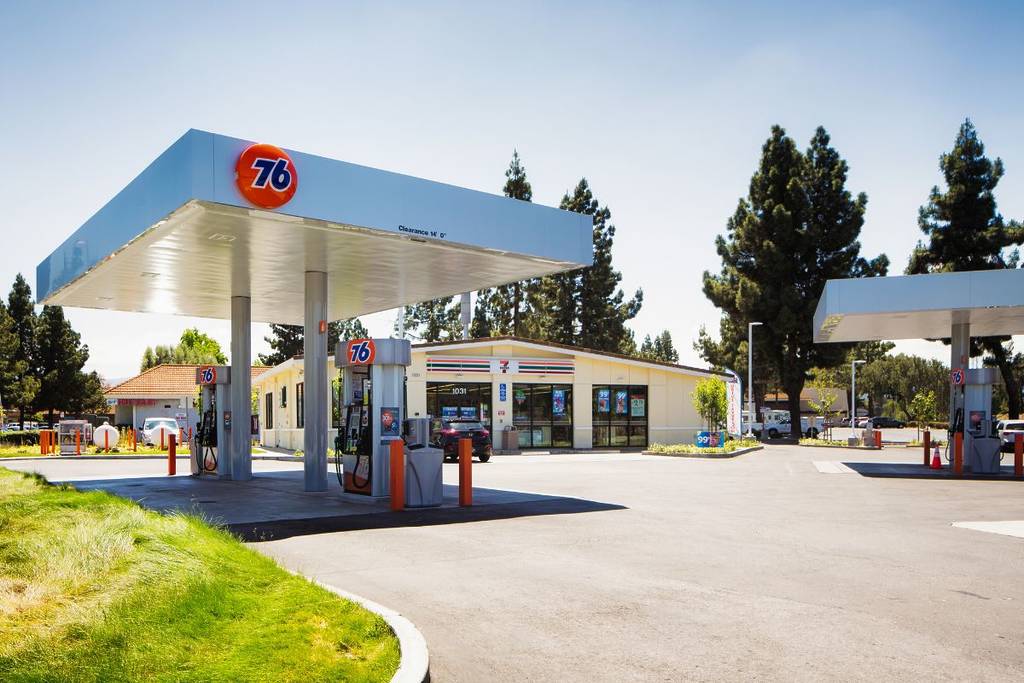
One of the biggest shifts is happening right at the gas pump in California. A long‑standing environmental law called Replacing, Removing, or Upgrading Underground Storage Tanks (RUST), now requires older underground storage tanks at gas stations (those with only a single layer of steel) to be permanently closed or replaced with modern double‑walled systems.
The formal deadline for these tanks to be taken out of service was December 31, 2025, and as of January 1, 2026, enforcement actions are underway. Stations that still rely on outdated tanks can no longer legally operate and may face daily fines or “red tag” orders that cut off fuel delivery, as the California Water Boards explains.
Many small station owners are struggling with the cost, as replacing underground tanks involves excavation, soil cleanup, and regulatory permits, easily adding up to hundreds of thousands of dollars. This is why some have chosen to shut down entirely instead of taking on that expense.
What this change means for drivers

With stations closing or pausing operations, especially in smaller towns and outlying areas, drivers may now face longer trips to find fuel. Fewer open pumps can also change pricing dynamics, since retail access tightens and operating costs rise.
While the RUST initiative offer grants and loans to help with compliance, the demand for funding is high, and the process has been slow to match the pace of enforcement. Supporters of the new requirements point out that old tanks are a known source of leaks and groundwater contamination. While critics say that the abrupt enforcement has put small business operators in a tough spot.