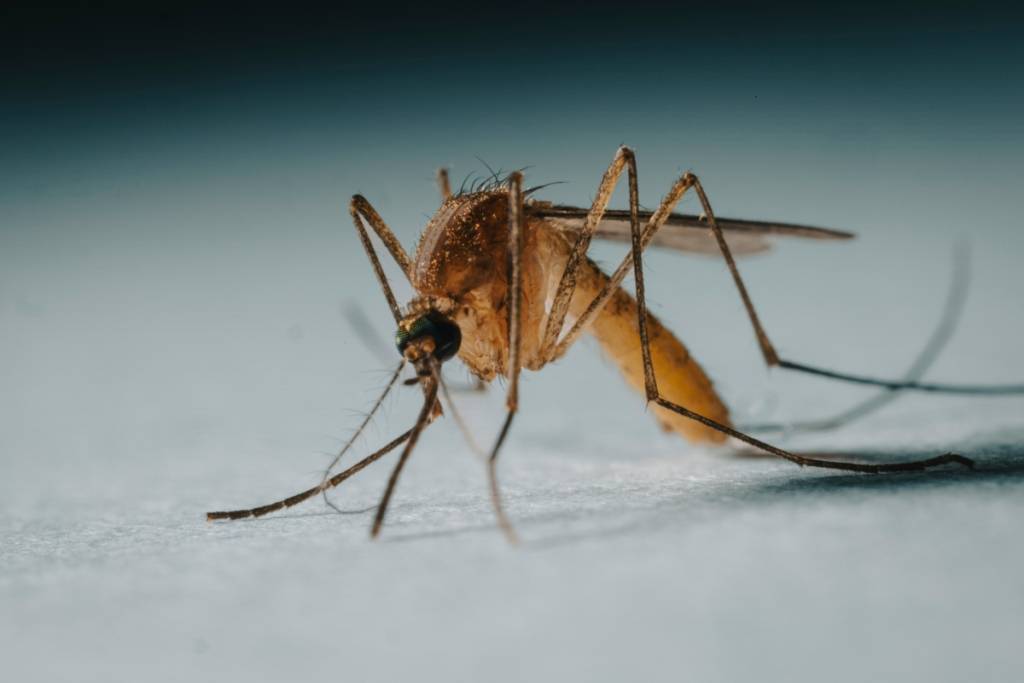

L.A. residents swatted and scratched their way through a miserable summer.
This year, California’s warm, wet conditions produced the most West Nile activity in five years. According to Pasadena Now, L.A. County accounted for more than half of all reported human cases in Southern California.
Temperatures rising above 70 degrees caused viral particles to rapidly replicate inside Culex mosquitoes.
The insects then injected virus-laden saliva into their prey. As of Nov. 6, the virus seriously sickened 528 people and killed 32 across the state.
Most infected people never feel sick. However, about 1 in 5 develop a fever, headache, and body aches. For 1 in 150 people, the virus travels to the brain, causing severe inflammation and neurological problems.
Doctors currently have no cure, relying only on supportive medical care.
Climate change and coastal risks
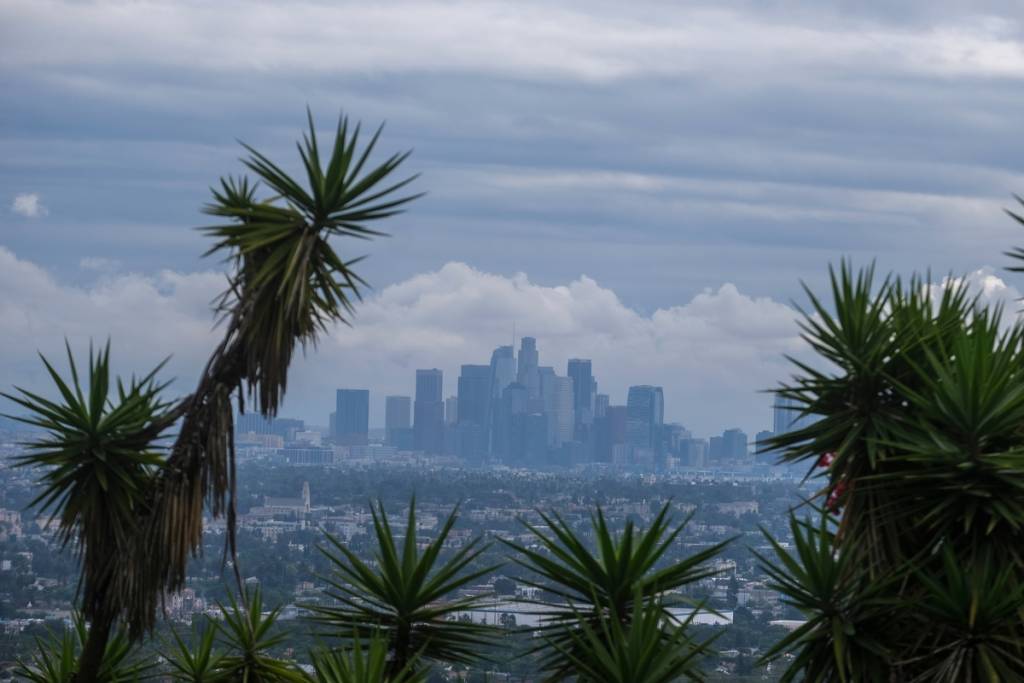
A warm storm swept past Southern California in September. The remnants of Hurricane Marie dumped an inch-and-a-half of rain across western L.A. Downtown L.A. even broke a rainfall record from 1965.
Temperatures then soared to 104 degrees, creating a perfect storm for mosquito breeding.
The heavy rainfall flushed mosquito-killing treatments out of 3,000 miles of underground storm drains. These drains stay around 72 degrees and humid all year, making them a primary breeding ground.
Vector control treats them monthly, but the washed-out larvicide allowed populations to explode. At the summer’s peak, more than 70% of trapped mosquitoes carried the West Nile virus.
Coastal L.A. sits right at a dangerous temperature tipping point. A UC Berkeley study found that when average temperatures rise above 73 degrees, the virus becomes much more likely to spread.
Summer averages usually hover in the high 60s to low 70s. Just a few degrees of warming push the region over the edge.
Bracing for ‘El Niño’
Cooler nights will soon slow down mosquito breeding. However, experts remain deeply concerned about next year.
Federal forecasters predict a greater than 90% chance of a very strong El Niño this winter. This raises the odds of heavy rain and lingering floodwaters.
“We’re all scared of next year,” Paula Macedo, chair of the Mosquito and Vector Control Association of California, told Pasadena Now. “With the amount of activity that we already saw this year and having the forecast of being an El Niño year, we are all bracing ourselves.”
The virus operates in a natural three- to five-year cycle driven by bird immunity. This means L.A. might get a slight reprieve next year.
However, extreme weather events like floods and droughts make outbreaks much harder to predict and fight.
The invasive Aedes mosquito
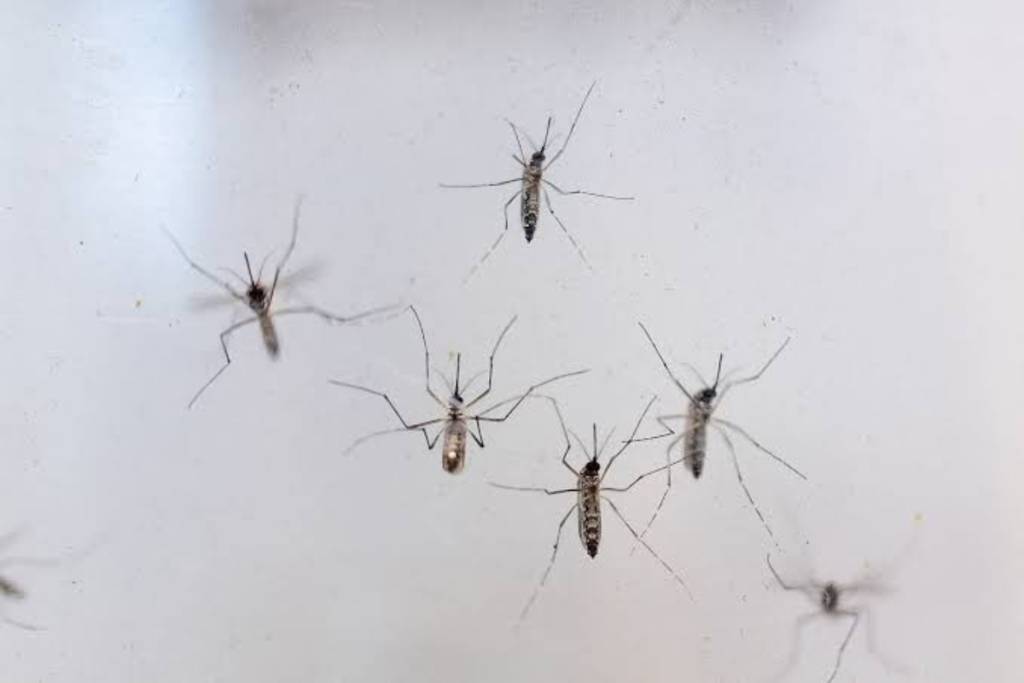
Vector control faces massive new challenges and limited funding. The mosquitoes bothering most L.A. residents this year were an invasive species called Aedes aegypti.
Unlike native Culex mosquitoes that hunt at night, the black-and-white striped Aedes hunts during the day and strongly prefers human blood.
They don’t transmit West Nile, but they spread other diseases like dengue and zika. Aedes mosquitoes breed in just a teaspoon of water.
Their eggs survive months of drought and revive when the rain returns. State law limits how much local governments can raise fees to fight these pests, leaving budgets stretched incredibly thin.
Residents must now take extra precautions to clear standing water from their own backyards.
For more, follow us on Facebook, Instagram, TikTok, and now WhatsApp!