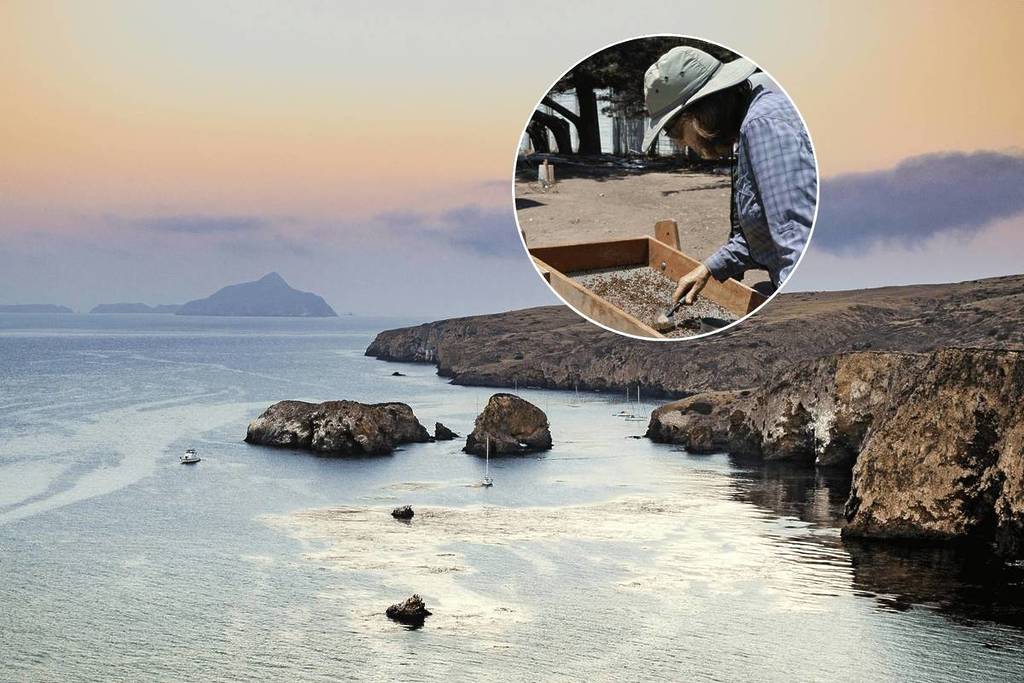

Did you know that the oldest reliably documented human remains in North America were found on California’s Channel Islands?
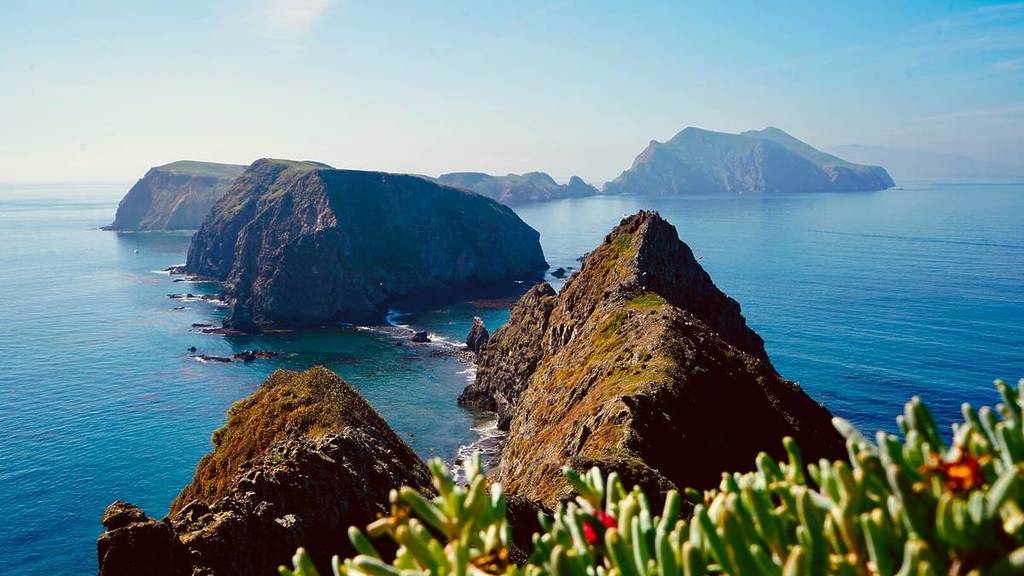
Located off the coast of Southern California, this rugged island chain is the least-visited national park in the state. Despite their remote and undeveloped nature, the islands hold evidence of continuous human presence stretching back 13,000 years. The age and placement of these remains suggest that early populations may have reached the Americas not only via the Bering Land Bridge, but also by traveling along coastal routes by sea.
Read on to explore how human life evolved on the Channel Islands, from flourishing Chumash and Tongva communities to the archaeological discoveries that uncovered their history.
Arlington Springs Man
According to National Geographic, archaeologist Phillip Orr uncovered partial remains in 1959—specifically two femurs—of what became known as the Arlington Springs Man in Arlington Canyon on Santa Rosa Island. Years later, further analysis and radiocarbon dating by researcher John R. Johnson determined the remains to be approximately 13,000 years old.
Only one other North American find rivals this age: Anzick-1, the remains of a young Paleoindian child discovered in Montana in 1968 and dated to roughly 12,990–12,890 years ago.
In an entry for the National Park Service, Johnson noted that during Arlington Springs Man’s lifetime, four of the Channel Islands were connected as a single landmass. However, this island was still separated from the mainland, meaning it could only have been accessed by water.
This discovery provides strong evidence that early inhabitants of the California coast were using watercraft 13,000 years ago. It supports the theory that some of the first people in the Americas migrated southward by boat along the Pacific coastline, in addition to crossing the Bering Land Bridge.
Human Activity on the Channel Islands
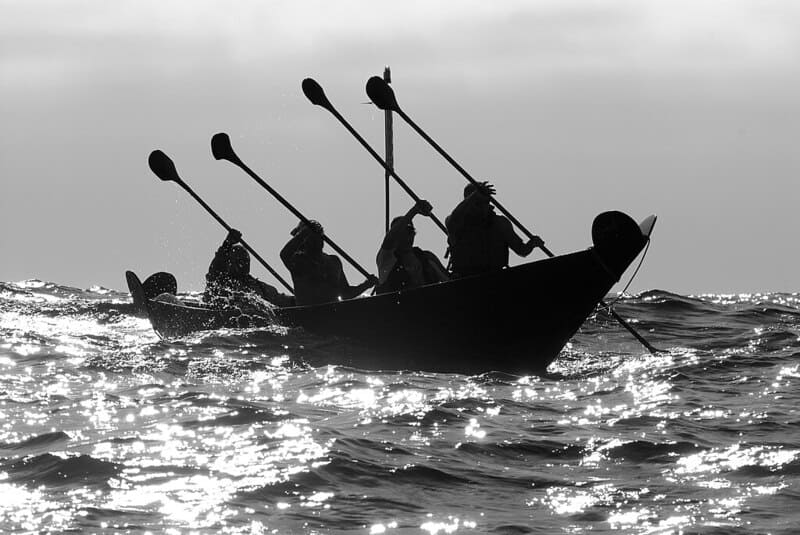
Archaeological findings reveal a long history of continuous human settlement on the Channel Islands. The Chumash people primarily inhabited the northern islands, while the Tongva lived on the southern ones. These groups developed advanced skills in fishing and boat construction, including the tomol plank canoe, and established extensive trade systems that used shell beads as currency.
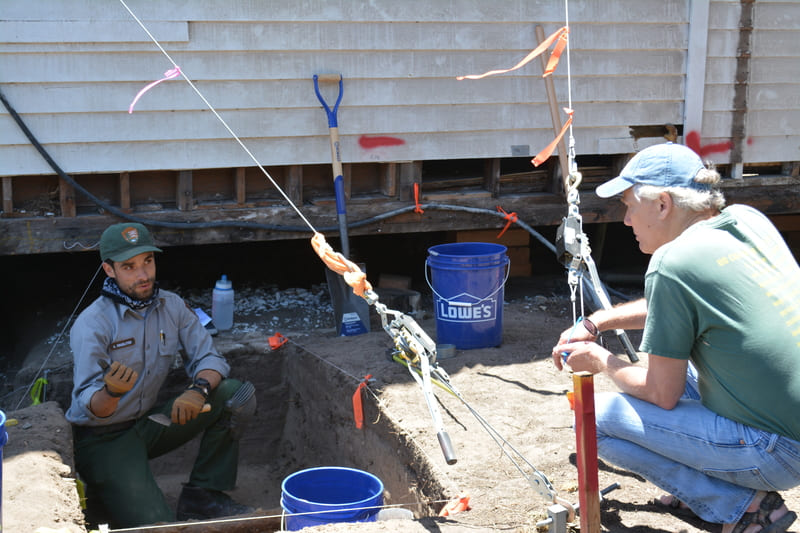
Researchers have identified nearly 150 village sites across the islands, indicating complex social and spiritual systems. Discoveries include shell middens, early woven baskets, bone tools, intricately made projectile points, and fish hooks.
Indigenous communities lived on the islands for thousands of years until European contact in the 16th century. Following this, many Native inhabitants were forced into the Spanish mission system, and European diseases such as smallpox and measles significantly reduced their populations. Today, descendants of the Chumash and Tongva continue efforts to preserve and celebrate their cultural heritage in Southern California.
Beyond human history, the Channel Islands are often called the “Galápagos of North America” due to their remarkable biodiversity. Their isolation has allowed unique ecosystems to develop, and they are home to more than 150 plant and animal species found nowhere else in the world.
Visiting the Channel Islands
The Channel Islands can be reached by a one- to two-hour ferry ride from Ventura or Oxnard. Each island offers designated campgrounds equipped with basic amenities like pit toilets, food storage lockers, and picnic tables. However, there are no stores, restaurants, hotels, or cell service, so visitors must be fully self-sufficient and bring all necessary supplies.
🌐 Learn more: National Park Service