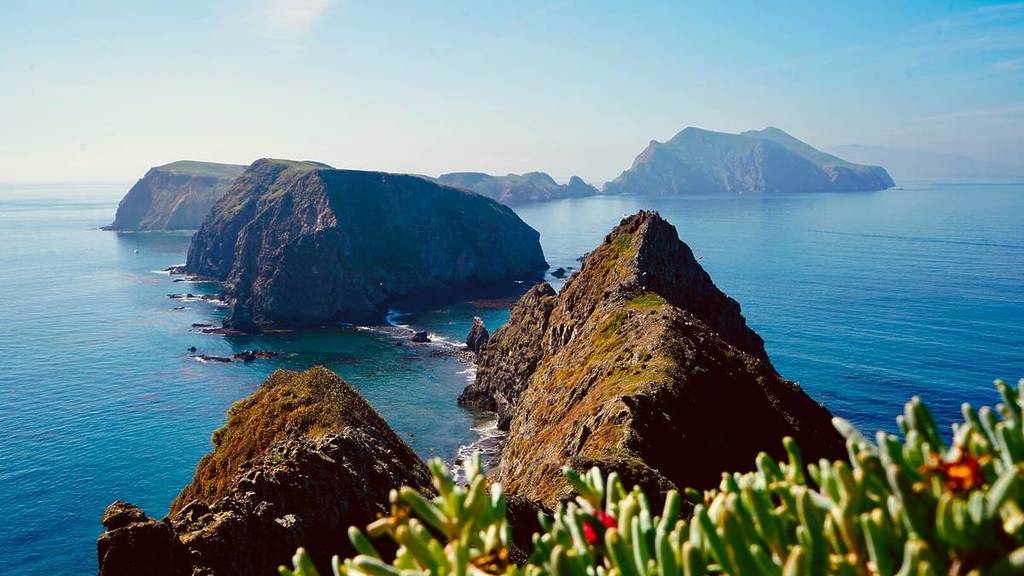

The Channel Islands, sometimes called the “Galápagos of North America” according to NASA, sit just off Southern California’s coast.
But despite their proximity to Los Angeles, this national park received only 227,186 visitors in 2025, making it the least-visited national park in California, per the National Park Service… and it’s teeming with over 150 species found nowhere else on Earth.
The ‘Galápagos of North America’
Channel Islands National Park is made up of five islands: Santa Cruz, Santa Rosa, San Miguel, Anacapa, and Santa Barbara. Another three islands complete the island chain (including Catalina), but they are not included in the park territory.
Santa Cruz, the largest, is known for its dramatic coastline and biodiversity, while Santa Rosa features rare Torrey pines and significant archaeological sites. The smaller islands are sanctuaries for seabirds, seals, and sea lions.
Fascinatingly, despite the islands’ lack of development today, human history here actually stretches back more than 13,000 years. The islands were once home to the Chumash and Tongva peoples, who built complex communities across nearly 150 known village sites. Their presence on the islands ultimately ended when Spanish colonizers forced them to relocate to mainland missions.
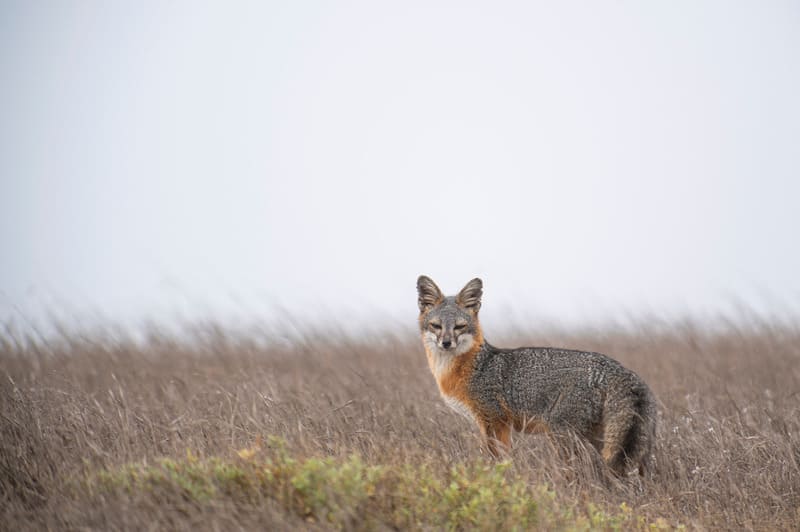
What truly sets the Channel Islands apart is their ecology. Isolation has allowed unique species—like the tiny island fox, bright blue island scrub jay, and rare Torrey pine—to evolve independently. The surrounding protected marine sanctuary supports whales, dolphins, kelp forests, and a wide range of fish and seabirds.
Visiting the Channel Islands
Visitors can explore by kayaking, snorkeling, diving, or hiking, but should come prepared. There are no shops or cell service—just campgrounds and raw beauty. Most trips begin with a ferry ride from Ventura or Oxnard, typically lasting one to two hours.
For those willing to plan ahead, the Channel Islands offer a rare chance to experience California in its most untouched form. Read our article for more tips to know before you visit.