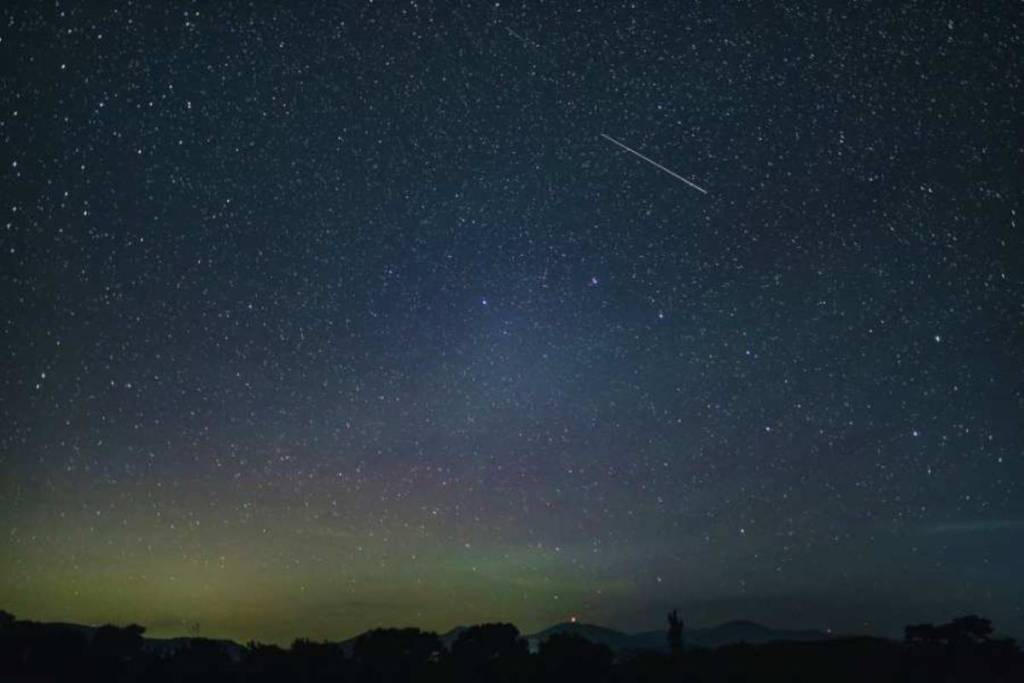

One of summer’s best sky shows is almost here. The Southern Delta Aquariid meteor shower reaches its peak this week, giving stargazers a chance to catch dozens of shooting stars streaking across the night sky.
Although Los Angeles’ city lights can make faint meteors harder to spot, heading just outside the city can reward patient skywatchers with an unforgettable celestial display.
What is a meteor shower?
A meteor shower occurs when Earth passes through a stream of dust and rocky debris left behind by a comet or, less commonly, an asteroid.
As those tiny meteoroids enter Earth’s atmosphere at incredible speeds, they burn up and create the glowing streaks we call shooting stars.
Meteor showers happen around the same time each year because Earth crosses the same debris trails during its orbit around the sun.
When does the Southern Delta Aquariid meteor shower peak?
This year’s Southern Delta Aquariid meteor shower is expected to peak overnight on July 29 into the early morning of July 30.
The best time to watch is after midnight until dawn, when the shower’s radiant (the point where the meteors appear to originate) is highest in the sky. Under dark, clear skies, viewers could see up to 20 meteors per hour, though light pollution will reduce that number.
How to watch the meteor shower from Los Angeles
You don’t need a telescope or binoculars to enjoy the show. In fact, your eyes are the best tool for spotting meteors.
For the best viewing experience:
- Head somewhere with as little light pollution as possible.
- Check the weather forecast for clear skies.
- Find an open area with an unobstructed view of the sky.
- Arrive before it gets fully dark and stay for at least an hour if you can.
- Give your eyes about 20 minutes to adjust to the darkness.
- Avoid looking at your phone or other bright lights.
- Bring a blanket, camping chair, or sleeping bag, along with warm layers since summer nights can still get chilly.
The best places near Los Angeles to watch
If you’re willing to leave the city lights behind, these locations offer excellent stargazing opportunities:
- Joshua Tree National Park
- Mount Pinos
- Red Rock Canyon State Park
- Saddleback Butte State Park
- Malibu Creek State Park
- Anza-Borrego Desert State Park
Even if you stay in Los Angeles, you may still catch a few of the brighter shooting stars from a dark park or hilltop away from streetlights.
A perfect excuse for a beautiful summer night outdoors
The Southern Delta Aquariid meteor shower may not be the flashiest meteor shower of the year, but its steady stream of shooting stars makes it one of summer’s most enjoyable celestial events.
Whether you head into the desert or simply find a quiet spot outside the city, it’s worth taking a break from the lights and looking up to the skies this week.