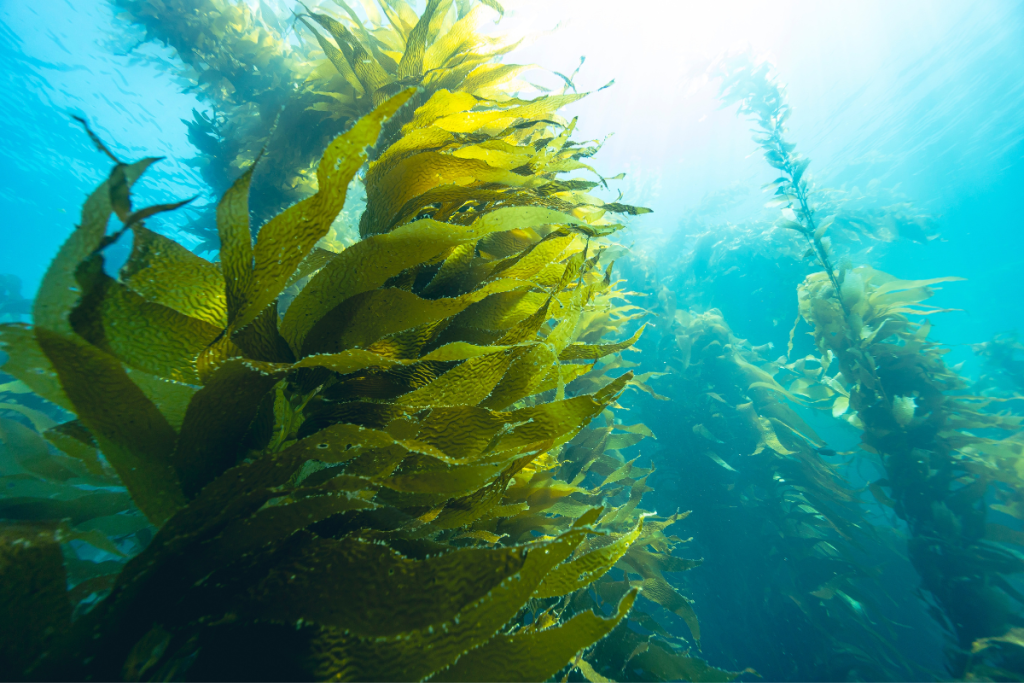

Southern California could soon be home to an enormous farm unlike anything most people have seen before — because this one will be growing beneath the Pacific Ocean. According to ABC News, state coastal officials voted Wednesday to allow plans for what would become the largest kelp farm in the United States to move forward. The proposed farm would sit about six miles off the Southern California coast near Ventura and eventually cover roughly 3 square miles of ocean. At full capacity, it could produce as much as 6,000 tons of kelp each year, according to the Associated Press.
The project is being developed by Ocean Rainforest, a company based in the Faroe Islands. The idea is to grow giant kelp offshore, harvest it and bring it back to Ventura for processing. According to AP, the company plans to turn the harvest into agricultural products that could be used on California farms, including those growing strawberries and avocados. The goal is to create a local source of kelp-based products rather than bringing seaweed in from elsewhere.
The farm will grow over several years
However, the massive operation won’t appear overnight. The company plans to build the farm gradually over roughly a decade, beginning with a smaller area before expanding toward its full size. Construction could begin in 2027, following Wednesday’s approval by the California Coastal Commission.
Project documents describe a planned area of about 2,000 acres in federal waters, roughly 6.3 miles from Ventura Harbor. The kelp would then be brought back to Ventura Harbor after harvesting. The project received unanimous approval from the Coastal Commission, but it will be subject to additional reviews as it expands. Officials have also said the farm’s offshore location and design are intended to reduce potential conflicts with marine life.
For now, the farm remains a future project. But if it eventually reaches its planned size, the waters off Ventura could become home to an extraordinary sight: about 2,000 acres of ocean dedicated to growing kelp, producing thousands of tons each year just a few miles from the Southern California coast.